.png)
Why Hassle-Free Tours Give Visitors an Easier Vacation


For most visitors, a hassle-free tour beats DIY travel because it removes the dozens of small decisions that quietly drain a trip’s energy, leaving more time and mental space to actually enjoy the destination. Nearly half of travelers now say stress relief is a primary reason they take a vacation, which is a strange thing to admit when you consider how much planning most trips still require. Guided and packaged tours solve that by handing the logistics, transportation, timing, and access to someone who does it for a living. You show up. Someone else worries about parking, tickets, and whether the restaurant takes reservations.
This matters more for certain travelers than others. Consider a strong candidate for a hassle-free option:
First-time visitors to a destination who don’t know which neighborhoods, activities, or seasons actually matter
Families or multi-generational groups juggling different ages, energy levels, and mobility needs
Anyone on a short trip who wants to maximize experience per hour instead of spending vacation days researching logistics
Key Takeaways
Hassle-free tours reduce decision fatigue and free up time by shifting logistics, safety, and access to an experienced operator instead of the traveler.
Point | Details |
Stress relief drives demand | Roughly half of travelers cite stress relief as a main reason for taking a trip at all. |
Match the approach to your goal | Pick paid tours for predictability, free walking tours for cheap city orientation, DIY for total control. |
Vet before booking | Confirm inclusions, cancellation policy, group size, and on-site support before paying. |
Free tours aren’t fully free | Budget a tip for pay-what-you-wish tours; bundled tours often offset hidden costs instead. |
Crab-island-tours removes boat logistics | Floats, an onboard restroom, and experienced captains come included on every 4-hour Destin outing. |
Table of Contents
Why Hassle-Free Tours Are Better for Visitors Who Want Less Planning
A hassle-free tour is any travel experience where a provider absorbs the logistics that would otherwise fall on you: booking, routing, permits, equipment, timing, and often food or transport. The term covers more ground than people assume. It’s not one product; it’s a spectrum of how much control you hand over.
Full-package multi-day tours sit at one end. A company builds the entire itinerary, from hotel transfers to guided excursions to meals, and you follow a schedule someone else designed around known bottlenecks and seasonal quirks. Day-trip operators occupy the middle ground: you book a single outing, like a boat tour or a hiking excursion, and the operator handles the gear, safety briefing, and route while you handle nothing but showing up on time. Shared tours, like group boat trips or float excursions, split the cost and crew across a group of strangers, which keeps the price down without sacrificing the “just show up” convenience. Free walking tours are the loosest version. A local guide runs a scheduled route through a city, typically funded by tips rather than a ticket price, and the “hassle-free” part is limited to the walking route itself. You still book your own hotel, meals, and everything else.
The smarter operators have caught onto something worth knowing before you book: many travelers now say they prefer a mix of guided structure and open time rather than a rigid, scheduled experience. That’s reshaped how tours get built. A modern hassle-free tour usually isn’t a wall-to-wall schedule anymore. It’s structure with breathing room built in on purpose, so you get the planning removed without the trip feeling like a march.
The Real Benefits: Less Stress, More Time, Better Access
The case for hassle-free tours comes down to five practical advantages, and each one shows up in a slightly different part of the trip.
Reduced decision fatigue. Every unplanned trip involves hundreds of small choices: which restaurant, which route, which parking lot, whether that “guided tour” advertised on a street corner is legitimate. A family of four traveling to a beach town for four days might spend two or three hours a day just coordinating logistics if nobody handles it for them. Cut that out and the trip actually feels like a vacation instead of a part-time job.

Time saved on planning and in-the-moment logistics. Guided tours bundle accommodations, transportation, and activities into one package, which means you’re not researching, comparing, and booking each piece separately. A couple planning a week in a new city might otherwise spend ten or more hours reading reviews and cross-checking schedules; a packaged tour compresses that into a single decision: book or don’t.
Negotiated access and better value. Tour operators often lock in group rates with hotels, attraction operators, and transport providers that individual travelers can’t get on their own. Industry estimates commonly put the savings from bundled group tours at roughly 30% versus piecing together the same trip independently, once you account for the hidden costs of solo bookings, like last-minute transport or full-price tickets bought at the gate.
Built-in safety and social structure. A licensed guide or captain knows the terrain, the weather patterns, and the local rules that a first-time visitor doesn’t. That’s not a minor convenience for water-based excursions or unfamiliar cities; it’s a real safety layer, and it comes with a built-in social element for solo travelers or couples who want company without having to organize it themselves.
Accessibility for families and mixed-ability groups. A guided tour that already accounts for restrooms, seating, and pacing removes a genuine barrier for grandparents traveling with grandkids, or parents managing toddlers, that a self-guided itinerary often ignores until it becomes a problem mid-trip.
Two figures from recent industry research explain why demand for this model keeps climbing.
Statistic | What it shows |
Nearly half of travelers | Cite stress relief as a primary motivation for taking a vacation |
— | Prefer tours that mix included activities with unstructured free time |
~30% cost difference | Estimated savings from bundled group tour rates versus independent bookings |
Paid Tours vs Free Walking Tours vs DIY: How to Pick
None of these three approaches is universally right. Each one optimizes for something different, and the smart move is matching the approach to what you actually want out of the trip.
Paid guided tours win on predictability and access. You know the cost upfront, the itinerary is fixed, and the operator has typically already solved the access problems (permits, reservations, equipment) that would otherwise eat your first day. The trade-off is flexibility. You’re on someone else’s schedule, and if the group pace doesn’t match yours, you feel it.
Free walking tours win on cost and spontaneity for city exploration specifically. You get a knowledgeable local guide and a curated route for the price of a tip, which makes them a smart add-on rather than a full trip solution. Their limitation is scope. A free walking tour handles a two- or three-hour city segment, not the transportation, lodging, or activity booking that makes up the rest of your trip.
DIY travel wins on total control. If your priority is chasing spontaneous detours, staying somewhere off the radar, or stretching a tight budget as far as it goes, nothing beats planning it yourself. The cost is time and risk: research and reporting on guided versus independent travel consistently finds that independent travelers miss context, access, and efficiencies that guides provide as a matter of course.
Choose a paid guided tour if your trip is short, your group includes people with different needs, or the activity involves equipment, water, or terrain you don’t know well. Choose a free walking tour if you’re already handling your own lodging and transport and just want an efficient, low-cost orientation to a new city. Choose DIY if flexibility and budget matter more to you than efficiency, and you have the time to research it properly.
How to Choose a Reliable Hassle-Free Tour
Not every operator delivers on the “hassle-free” promise, so vetting matters before you hand over a payment. Work through these questions before booking:
What exactly is included, and what costs extra once you’re there?
What’s the cancellation or reschedule policy if weather or an emergency changes your plans?
What’s the maximum group size, and does that match the experience you want?
Is the tour accessible for the ages, mobility levels, or physical abilities in your group?
Who handles problems on-site if something goes wrong, and how do you reach them?
Are the captains, guides, or staff licensed or credentialed for the activity?
Watch for red flags while you compare options. A vague itinerary that lists “activities” without specifics is a warning sign, as is a listing with wildly inconsistent reviews, some glowing, some describing a completely different experience. Unclear inclusions and exclusions, especially around equipment or food, tend to turn into surprise fees on the day of the trip. And any operator that pushes hard for upsells before you’ve even confirmed the base booking is worth a second look.
Pro Tip: Check whether an operator lists a real local support team or phone number for day-of issues, not just a booking email. Operators confident in their on-the-ground reliability tend to be transparent about who’s handling things if a boat runs late or weather changes plans.
Are Free Tours Actually Free? What to Budget
Not entirely, and the mechanics matter. Free walking tours run on a pay-what-you-wish model, which means the tour itself has no ticket price, but tipping is the expected norm, typically in the range most travelers would tip a service provider for a few hours of expert time. Skip the tip and you’re taking value without paying for it; most guides rely on those tips as their actual income.
Paid, bundled tours work differently. You pay one price upfront, but that price often absorbs costs you’d otherwise pay separately and might not notice: transport to and from the site, skip-the-line access, safety equipment, and staff time. That’s part of why bundled group pricing tends to beat piecemeal booking once you tally what independent travelers spend on those same pieces individually.
When you’re comparing the true cost of DIY versus a guided option, add up everything you’d need to book separately, transport, equipment rental, entry fees, and a buffer for the time you’ll spend arranging it, before deciding which number is actually smaller.
Where to Find Trustworthy Hassle-Free Tours
Reliable operators tend to show up in the same handful of places. Local tourism board websites usually vet the operators they list, which filters out fly-by-night options. Well-reviewed travel-operator listings with a large volume of recent, detailed reviews (not just star ratings) give you a realistic picture. Community travel forums, where past visitors describe specific experiences rather than marketing copy, are often more honest than an operator’s own site.
Once you’ve found a few options, look for these signals that separate a legitimate hassle-free operator from one that’s hassle-free in name only:
Clear, itemized inclusions instead of vague marketing language
Staffed support during the tour itself, not just a booking confirmation email
Confirmed partnerships or permits with the attractions or waterways involved
A transparent, written cancellation and weather policy
If you’re comparing sightseeing options in a specific destination, a side-by-side comparison of local tour types can help you see how different operators structure their inclusions before you commit.
When DIY or a Free Tour Beats a Hassle-Free Package
Hassle-free tours aren’t the right call for every trip, and it’s worth being honest about where they fall short. If your goal is maximum flexibility, backpacking through several countries on a tight budget, chasing spontaneous detours, or seeking out niche, off-grid experiences, a fixed itinerary will feel like a cage rather than a convenience. Group pacing is the most common complaint from travelers who choose a packaged tour for the wrong kind of trip: if you move faster or slower than the group average, you’ll feel it every day.
There’s also a real cost to that flexibility if you’re not prepared for it. Independent travel demands more time spent researching and more tolerance for things going sideways, a closed attraction, a canceled train, a fully booked restaurant, without anyone else to solve it for you.
Activity level is worth flagging too. A guided tour built around a moderate pace might not suit someone chasing an extreme hiking route or a highly technical adventure activity. The fix is usually just matching the tour’s stated intensity level to your own before booking, rather than assuming “guided” automatically means “easy.”
What the Data Says About Rising Demand for Ease
The clearest signal in current travel research is this: about half of travelers now cite stress relief as their main motivation for taking a trip at all, a notable shift from vacations framed purely around sightseeing or bucket-list checkoffs.
That number reflects something operators have clearly picked up on. Trip planning itself has become a source of the exhaustion people are trying to escape, so a growing share of the industry is competing on how much mental load they can remove rather than how many attractions they can cram into a brochure. For visitors, this means the tours available today are more likely to include genuine free time, clearer inclusions, and less of the rigid, whistle-stop pacing that made “guided tour” sound like a compromise a decade ago. When you’re comparing options, that shift is worth using as a filter: an operator that explicitly builds in downtime is usually responding to the same research pointing toward less stress, not more.
Why We Believe in the Hassle-Free Model for Most Visitors
Watching families and first-time visitors navigate Destin every season, the pattern is consistent: the trips people remember fondly are the ones where they weren’t the ones solving problems. That’s the entire premise behind Crab-island-tours. Logistics, gear, and safety are handled before the group ever gets to the dock, which means the four hours on the water are actually spent on the water instead of managing it.

The specifics back that up. Every outing includes floats, an onboard restroom, and experienced captains who know the sandbar traffic and weather patterns better than any app could tell you. For a family with young kids or grandparents along for the ride, those aren’t luxury add-ons; they’re the difference between a trip that feels manageable and one that doesn’t.
[Troy’s credentials and background to be added here.]
[Customer testimonial to be added here.]
Book a Stress-Free Crab Island Outing Without the Boat Logistics
Crab-island-tours exists because renting a boat, sourcing floats, coordinating a captain, and figuring out restroom logistics shouldn’t be the price of admission for an afternoon at Crab Island. Everything is handled before you arrive: floats, an onboard restroom, an experienced captain, and comfortable seating for up to 31 passengers, so your group just shows up and boards.
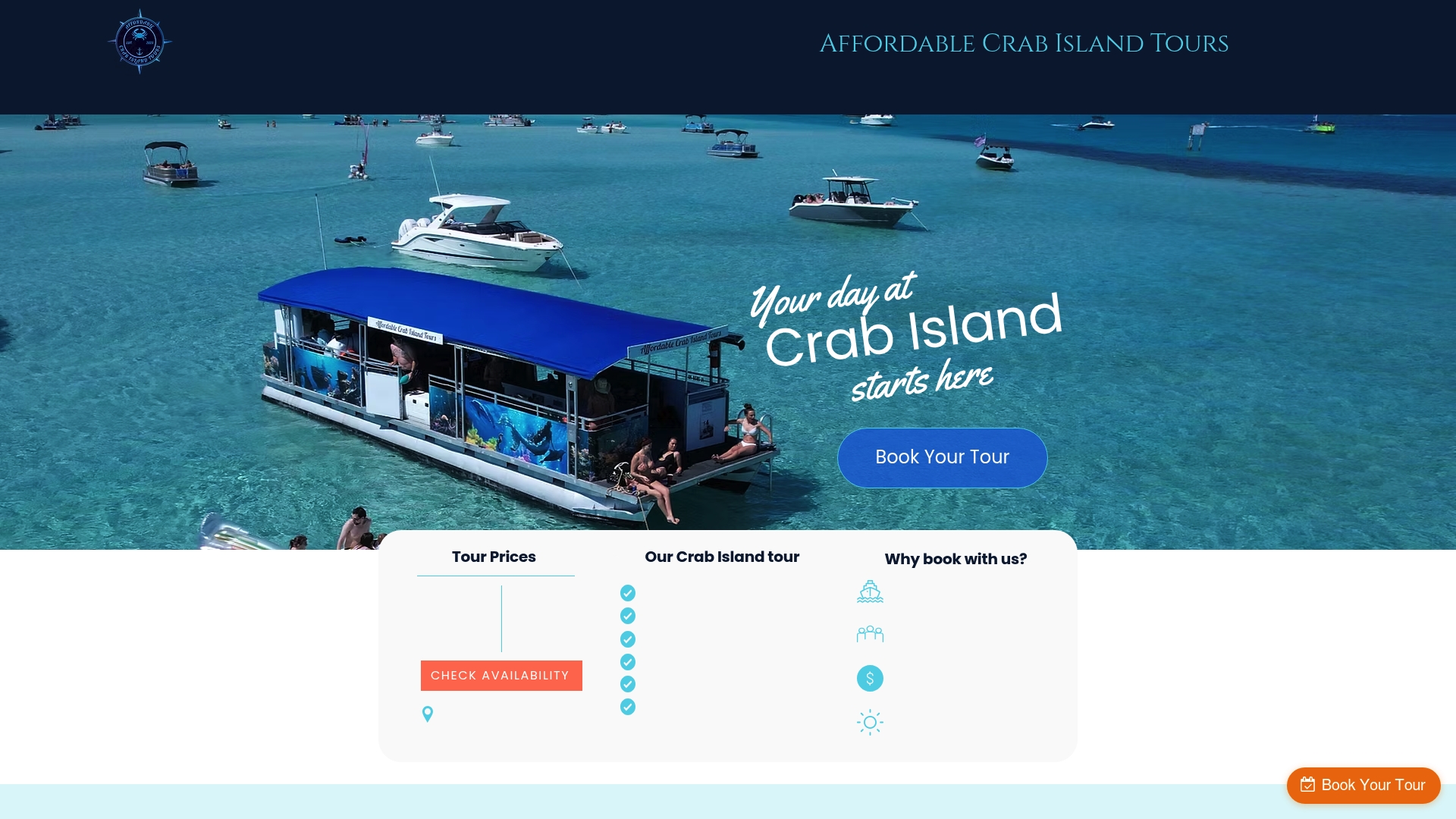
The package covers a full 4-hour outing, and you’re welcome to bring your own drinks since it runs BYOB. For families and larger groups, booking a week or two ahead during peak summer months gives you more flexibility on departure times.
If you’re planning a Destin trip and want the water time without the planning headache, check available dates and book your Crab Island tour directly online.
Sources
Recommended
Comments