.png)
Vendor Lineup, Boat Delivery, What to Pack for Crab Island Food

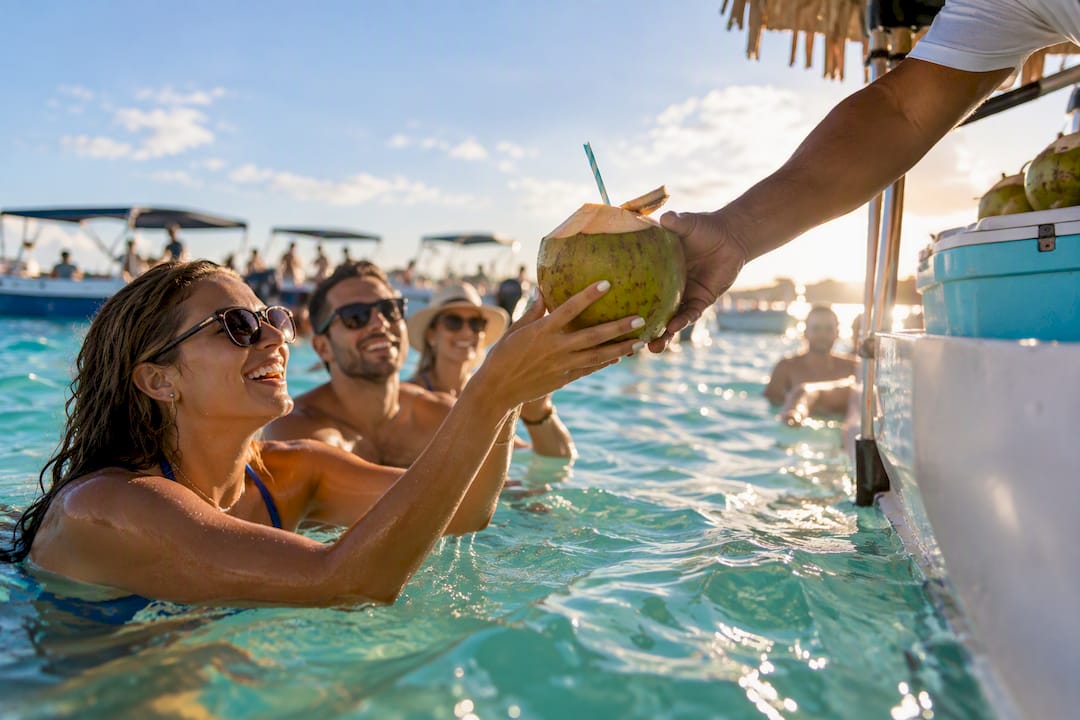
Yes, Crab Island has floating food and drink vendors, but you can’t count on any single one showing up. Expect a rotating lineup of boats selling ice cream, BBQ, burgers, hot dogs, and fresh coconuts between roughly March and October, weather and tides permitting. Bring your own alcohol, since most vendors can’t sell it, and pack backup snacks in case the water’s too choppy for boats to run that day.
TL;DR:
Most floating vendors at Crab Island operate seasonally from March to October, with peak activity between Memorial Day and Labor Day, depending on weather and tides.
Vendors sell mainly cold treats and handheld foods designed for open-water handoff, with no guaranteed presence or fixed hours, so bringing backup snacks is advisable.
Arriving one to three hours after high tide and choosing calm, clear days in summer ensures the best vendor availability and water depth.
Cash remains the most reliable form of payment, and bringing small bills plus tips speeds transactions, while BYOB is permitted but vendors cannot sell alcohol.
Prioritize ordering signature items like smoked BBQ plates, soft serve, fresh coconuts, and pizza slices, as these are the most sought-after, but do not rely on specific vendors always being there.
Table of Contents
Crab Island Food Options: The Floating Vendors You’ll Likely See
The vendor lineup at Crab Island shifts from week to week, but a handful of names show up often enough that locals treat them as fixtures. These are small operators running out of pontoons and skiffs, anchoring near the crowd and flying a flag or banner so boaters can spot them.
Here’s who typically shows up and what they’re slinging:
Sea Cow Ice Cream — soft serve, popsicles, and novelty ice cream bars, the go-to for cooling down fast.
Crab Island Grill — burgers, hot dogs, and classic cookout fare served straight off the boat.
Frickin’ Ridiculous BBQ — pulled pork, ribs, and smoked plates for anyone who wants a real meal instead of a snack.
Tollie’s Floating Weiner & Pizza — hot dogs and pizza slices, easy to hand across the water without a fork.
Gulf Coast Gelato — a step up from soft serve, with richer flavors for anyone craving dessert.
Wild Coconuts — fresh coconuts, cracked open on the spot, plus coconut water for something lighter than a soda.
Crab Island Merch & More — sunglasses, floats, and novelty items, plus a delivery service for outside food (more on that below).
Kids tend to gravitate toward Sea Cow and Gulf Coast Gelato, since cold treats beat anything else on a 95-degree bay afternoon. Adults looking for a real lunch should watch for Frickin’ Ridiculous BBQ or Crab Island Grill. If you just want something to snack on between swims, Tollie’s handheld pizza slices and hot dogs are built for exactly that.
None of these vendors keep fixed hours or guaranteed spots. Boats move based on where the crowd anchors and how the water’s behaving that day, so the roster you see on a Tuesday in June might look completely different from a Saturday in September. Checking local visitor guides and Crabisland the morning of your trip is worth the two minutes it takes.
What You Can Actually Order Once a Vendor Pulls Up
Crab Island dining isn’t sit-down dining. Everything is designed to be handed across open water, eaten one-handed, and finished before it melts or gets soggy. Understanding the format helps you plan what to bring versus what to buy.
Cold treats dominate for good reason. Ice cream, gelato, and the occasional smoothie sell fast because a Florida sandbar in July is brutal, and a scoop from Sea Cow Ice Cream or Gulf Coast Gelato is the fastest fix.
Handheld food makes up the bulk of real meals. Burgers, hot dogs, sandwiches, and pizza slices travel well by boat and don’t need utensils, which is why Crab Island Grill and Tollie’s built their whole business around them.
BBQ plates from Frickin’ Ridiculous BBQ often come with sides, so you’ll want plates and a fork if you’re eating on a float rather than back on your boat.
Fresh coconuts from Wild Coconuts arrive cracked open, ready to drink or scoop with a spoon.
Bottled water, soda, and the occasional basic snack round out what most vendors carry.
General grocery items, like bread or condiments, aren’t part of the mix. Vendors sell finished food, not ingredients.
Don’t expect plated appetizers or a proper table setting. This is cookout food adapted for open water, and that’s precisely why it works so well for a day spent floating.
When Vendors Actually Show Up: Season, Tides, and Weather
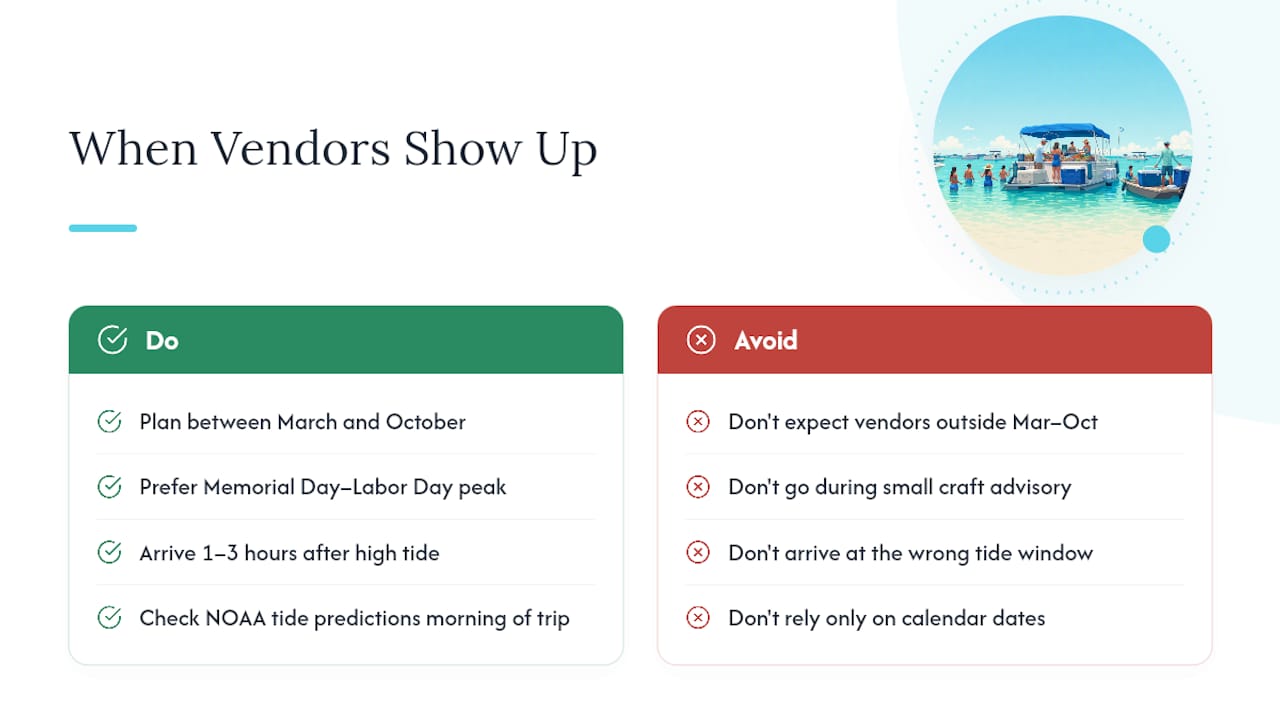
Crab Island vendors run roughly March through October, with the heaviest activity from Memorial Day through Labor Day, based on reporting from Authentic Florida. Outside that window, don’t count on seeing a single boat.
Statistic to remember: the sandbar experience depends on the tide, not just the calendar. Arriving one to three hours after high tide gives you the shallow, waist-to-chest-deep water that makes Crab Island the draw it is. Check NOAA tide predictions for the Destin area the morning of your trip, since the window shifts daily and getting it wrong means either too much depth to stand comfortably or a sandbar that’s barely submerged.
Weather matters just as much as tide timing. Crab Island sits on a shallow patch of Choctawhatchee Bay, and that same shallow water that makes it swimmable also makes it rough for small delivery boats when wind picks up. A choppy afternoon can clear out vendors entirely, even during peak season, because running a loaded pontoon through two-foot swells isn’t worth the risk to their inventory or their boat.
If you’re planning around food availability specifically, aim for a calm, clear day in June through August, arrive during that post-high-tide window, and don’t schedule your one shot at Crab Island for a day with a small craft advisory. Vendor social media pages often post same-day updates, and checking those alongside the tide chart takes less time than packing a cooler.
How to Pay and What to Know About Alcohol
Cash still rules at Crab Island. Most floating vendors accept it without hesitation, and given the number of small transactions they process in a day, cash keeps the line moving faster than anything else.
Card and mobile payments are increasingly common, but don’t rely on them. Signal on open water is unpredictable, and a card reader that worked fine yesterday might drop connection today.
Bring small bills. Vendors making change for a $20 on a $6 ice cream cone slows everyone down.
Expect boat-to-boat deliveries and merchandise sellers to lean even harder on cash, since their setups are more mobile and less likely to carry reliable card equipment.
Tip your vendors. These are small crews working in direct sun for hours, and a couple of dollars per transaction goes a long way.
BYOB is allowed on Crab Island, but the vendors themselves generally can’t sell alcohol. Bring what you want to drink.
Pro Tip: Pack a small waterproof pouch with cash split into $1s and $5s. It’s the single easiest way to speed up every vendor transaction and keeps tips simple.
What to Pack So You’re Never Caught Without Food
Vendors are reliable enough to plan around, but not reliable enough to bet the whole day on. A little preparation covers the gap.
Water and sunscreen first. Dehydration and sunburn ruin more Crab Island trips than a missing ice cream boat ever will.
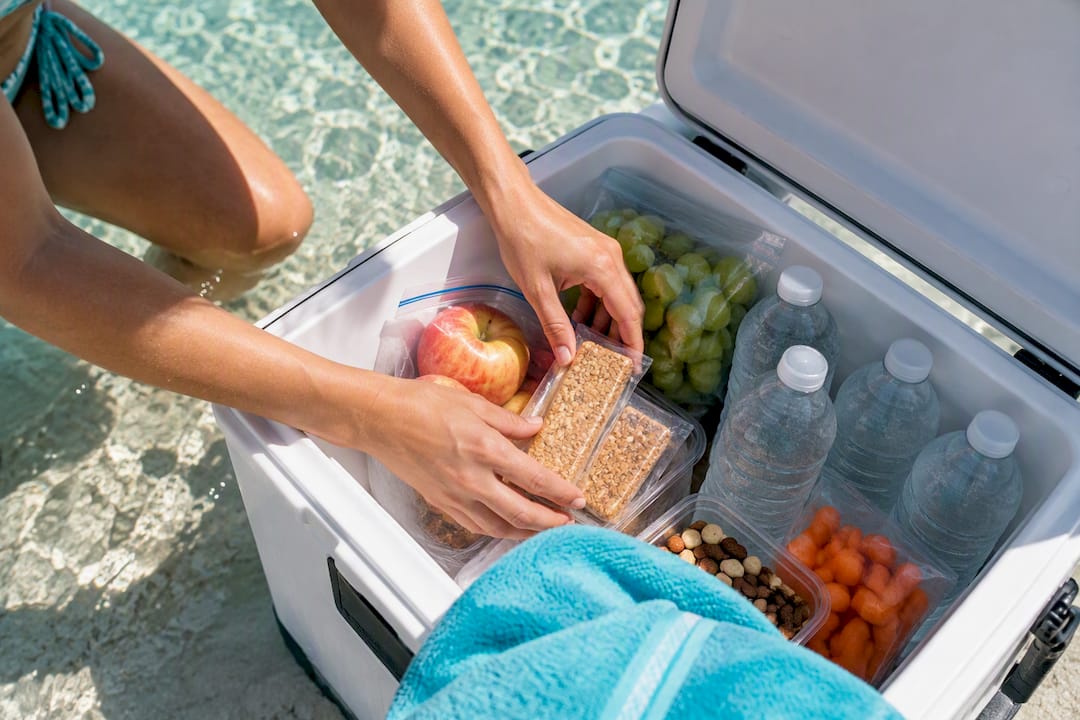
A small cooler with backups. A few sandwiches, some chips, and fruit that won’t spoil in the heat give you a fallback if no vendors show.
Trash bags. Crab Island gets crowded, and floating garbage is nobody’s idea of a good afternoon.
Utensils, napkins, and sealable containers. BBQ plates and coconut halves are messier than they look from a distance.
Hand sanitizer. You’re eating with hands that have been in bay water all day.
A refrigerated bag for anything dairy. Direct sun on an open boat turns a sandwich with mayo into a problem within an hour.
If vendors are a no-show, your backup isn’t limited to what’s in the cooler. CrabIsland.com’s restaurant listings cover nearby shore dining and dinner cruise options, which work well as a plan B if you’d rather eat a real meal after you’re back on land.
How Boat Delivery Services Work (Chick-fil-A Included)
Crab Island Merch & More runs a delivery service that goes beyond snacks sold straight off their boat. It picks up food on shore, most notably from Chick-fil-A, and delivers it to anchored boats out on the sandbar.
The workflow is straightforward: you place an order, a runner picks it up on land, and a small boat carries it out to your location. That extra leg of travel adds both time and cost, with reports pricing a delivered sandwich around $10, noticeably more than the same item costs at the counter.
The service doesn’t run every day. Chick-fil-A’s own Sunday closure means no Sunday delivery for that particular order.
Restocking depends on how busy the delivery boat’s shore run is, so expect delays during peak weekend crowds.
Tip the delivery crew separately from any vendor you buy from directly. They’re covering more ground for that order.
Flag a delivery boat the same way you’d flag any vendor: wave, make eye contact, and be ready to give your boat’s rough position if they’re circling to find you.
If a delivery runs late, that’s normal rather than a sign something went wrong. Boat traffic and shore lines add unpredictable time to what sounds like a simple errand.
Your Pre-Departure Checklist for a Smooth Day
Getting the food side of Crab Island right comes down to timing and a short list of things you should never forget to pack.
Cash in small bills, plus a card as backup.
Full water bottles, more than you think you need.
A charged phone for checking tides and vendor updates.
A backup meal that doesn’t need refrigeration for more than a couple of hours.
Trash bags and sunscreen.
A basic first-aid kit for cuts, stings, or sunburn.
Time your arrival for one to three hours after high tide, and lean toward a trip between May and September if vendor variety matters to you. Before you leave the dock, check vendor social pages for same-day posts. If nobody’s posted in a few days, treat that as a sign to lean on your packed backup rather than counting on a boat showing up.
Dietary Options: Vegetarian, Vegan, and Gluten-Free Realities
Crab Island’s floating vendors aren’t built around dietary accommodation, and it helps to walk in with realistic expectations. Vegetarians have the easiest time, since ice cream, gelato, coconut, and pizza slices from vendors like Sea Cow and Tollie’s cover plenty of ground without needing a special request.
Vegan options thin out fast. Dairy-based ice cream and gelato are off the table, and BBQ plates typically come with meat as the centerpiece. Fresh coconut from Wild Coconuts is one of the few genuinely vegan items you’ll find floating around, along with bottled water and some sodas.
Gluten-free visitors face similar limits. Hot dogs and burgers usually come on standard buns unless you ask for it bunless, which most vendors can do without issue since they’re already handing food across open water without much plating ceremony. Pizza and pretzel-style snacks are the hardest items to make gluten-free on the spot.
None of the named vendors advertise formal allergen menus, so the honest move is packing your own safe snacks if you have a serious restriction rather than hoping a floating BBQ boat happens to carry something that fits. A cooler with a few reliable options solves this better than any amount of asking around on the water.
Is the Food Actually Fresh Out There?
Quality holds up better than you’d expect from boats operating in open water all day, mostly because turnover is fast. Ice cream and gelato vendors restock from shore multiple times on a busy weekend, which keeps their product from sitting too long in coolers.
BBQ and grilled items depend more on how long a vendor’s been anchored since their last shore trip. Early afternoon tends to be the sweet spot, right after most vendors have restocked from their morning run but before hours of sun exposure start working against food that isn’t kept properly chilled.
The bigger quality variable isn’t the vendor, it’s you. Anything you buy sits in open sun the moment it changes hands, so a burger that was perfectly fine at the point of sale can go downhill fast if you let it sit on a hot cooler lid for twenty minutes before eating. Eat handheld items soon after buying them, and treat anything dairy or mayo-based with extra caution once it’s out of the vendor’s own cooler.
Freshness complaints are rare in local reporting, and the bigger risk tends to be availability rather than quality. A vendor who shows up at all is usually running a tight enough operation to keep their food in reasonable shape.
Signature Dishes Worth Seeking Out
A few items have earned enough of a reputation that they’re worth specifically watching for rather than settling for whatever boat happens to pull up first.
Frickin’ Ridiculous BBQ’s smoked plates are the closest thing to a real sit-down meal you’ll find on the water, and they’re worth the wait if you spot the boat. Sea Cow Ice Cream’s soft serve is the single most requested item among families with kids, mostly because nothing else on the water cools you down as fast on a 95-degree afternoon.
Wild Coconuts cracking a fresh coconut open right at your boat is as much an experience as a snack, and it’s one of the more distinctly Destin things you can order out there. Tollie’s pizza slices solve the problem nobody else does well: a real lunch item you can eat with one hand while treading water.
None of these are exclusive or guaranteed. Treat them as the items to prioritize the moment you spot the right boat, not as a menu you can order from on demand.
Author Perspective: What I’ve Learned Running Crab Island Tours
Running tours out to Crab Island for years taught me one thing above all: guests overestimate how reliable the floating vendors will be. Having an onboard restroom, floats, and an experienced captain helps take the guesswork out of the parts you can’t control and lets people focus on the parts they can, like grabbing ice cream if a vendor happens by.
The biggest mistake I see is guests skipping breakfast, assuming they’ll grab something on the water within the first hour. Pack something small before you leave the dock, tip vendors in cash when you can, and treat any food boat as a bonus, not a plan.
— Troy
Book a Stress-Free Trip Instead of Gambling on the Weather
Floating vendors make Crab Island fun, but they’re not something you can plan a whole trip around, and neither is finding your own boat, gear, and captain. Crab-island-tours solves the logistics half of that equation: a guided outing that includes floats, an onboard restroom, and an experienced captain who already knows the tide and weather patterns that decide whether vendors show up at all.
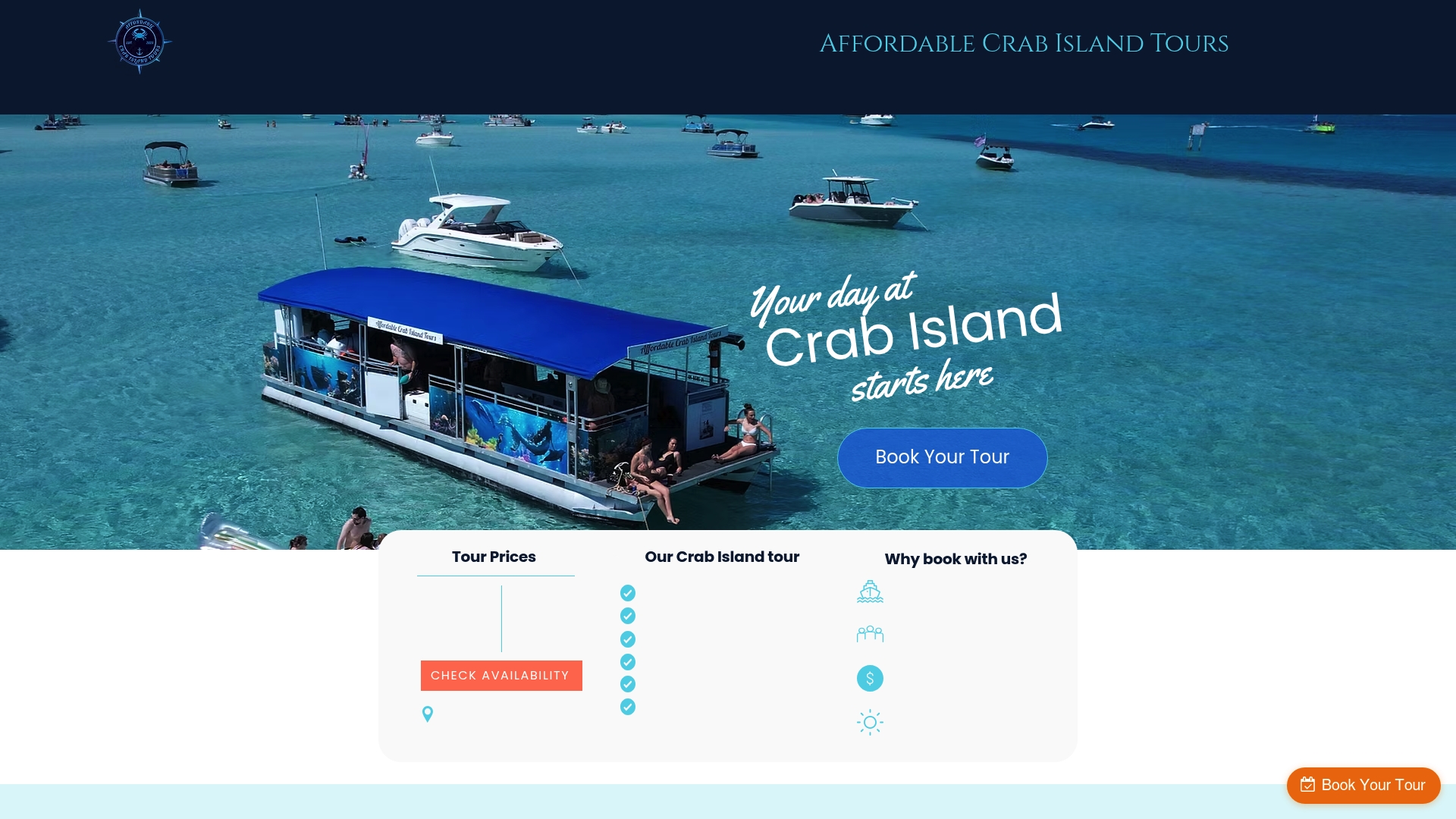
You still bring your own drinks since BYOB is welcome aboard, and you still get to flag down whatever ice cream or BBQ boat happens to cruise by. What you skip is the stress of renting equipment, navigating unfamiliar water, or hoping you picked a good tide window by accident. The 4-hour guided tour runs $50 to $60 per person and comfortably fits groups up to 31, which makes it a straightforward option for families and groups who’d rather show up and relax than manage the logistics themselves. Check available dates and book your spot before the next warm weekend fills up.
Sources
FAQ
Is Crab Island Worth the Money?
Crab Island itself is free to visit since it’s public water, but most visitors pay for a boat, rental, or guided tour to get there. Given that floating vendors, shallow swimming, and the social scene are the draw, a guided tour that includes floats and a restroom tends to deliver more value than piecing together a rental yourself.
Is Crab Island Cash Only?
Cash is still the most reliable payment method with floating vendors, though card and mobile payments are increasingly available. Signal issues on open water mean cash remains the safer bet, especially for smaller purchases like ice cream or coconuts.
Can You Drink Alcohol on Crab Island?
Yes, BYOB is allowed on Crab Island, but the vendors themselves generally cannot sell alcohol. Bring what you plan to drink, since you can’t count on buying it once you’re anchored.
What Is Crab Island Famous For?
Crab Island is famous for its shallow sandbar in Choctawhatchee Bay, where hundreds of boats anchor for swimming, floating, and a rotating lineup of food vendors. The shallow water depth is what makes it swimmable and walkable rather than a typical deep-water anchorage.
Do I Need to Bring My Own Food to Crab Island?
Bringing backup food is strongly recommended, since vendor presence depends on season, weather, and tides. A packed cooler with non-perishable snacks covers you on the days vendors don’t show up at all.
Recommended
Comments