.png)
U.S. Parents: Crab Island Age Rules and $50–$60 Captained Tours

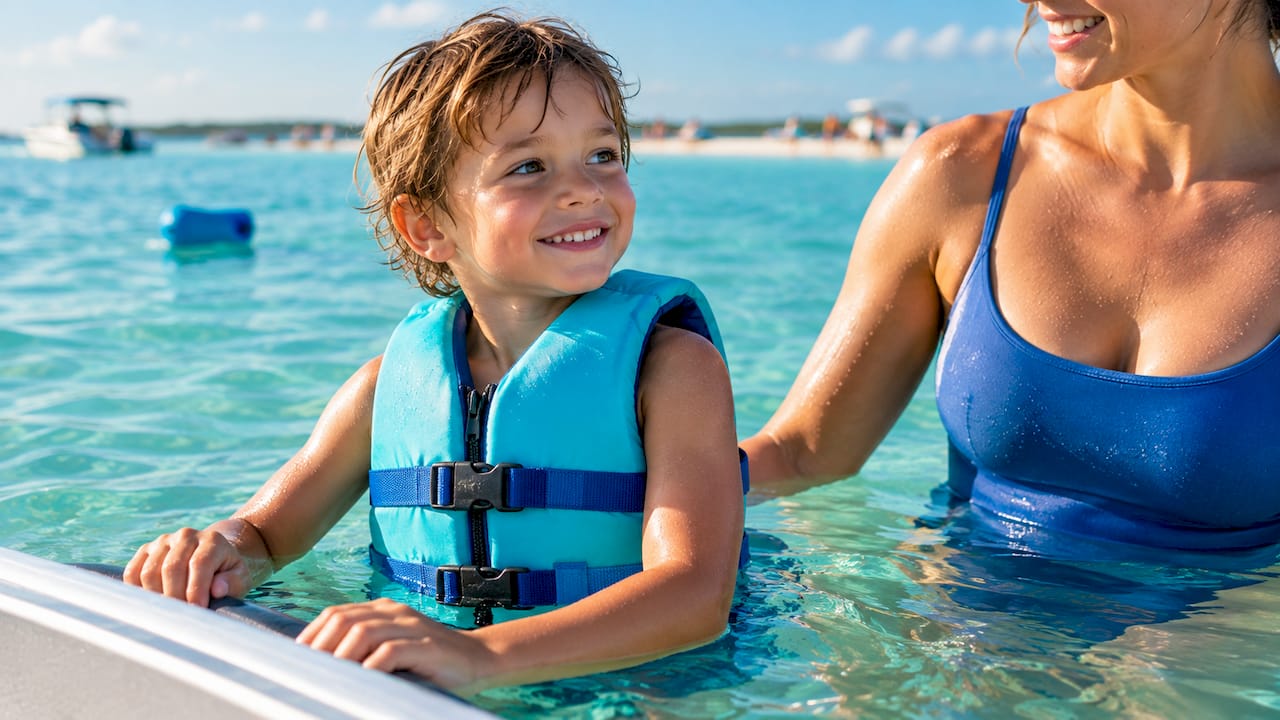
There’s no minimum age to visit Crab Island, but that doesn’t mean age doesn’t matter. Florida law requires life jackets for every child under 6 on boats underway, sets the drinking age at 21 with active water patrols, and mandates boater education for operators born on or after January 1, 1988. The safest move for families with young kids is a captained tour or a rental where you personally confirm life jacket sizes and supervision before leaving the dock.
TL;DR:
Children under 6 must wear USCG-approved life jackets at all times while the vessel is underway, regardless of age or location at Crab Island.
Boater education cards are mandatory for anyone born on or after January 1, 1988, operating boats with 10 horsepower or more, making adult supervision and proper licensing essential.
Active enforcement of the drinking age of 21 applies on the water, especially near Crab Island, with fines and jail time possible for violations involving operation under influence or underage drinking.
Many rental companies require drivers to be 18 or older and may demand proof of boater education, so planning ahead for qualified or captained options can reduce legal risks.
Guided tours with a captain eliminate the need for self-licensing, correct life jacket sizing, and supervision concerns, providing a safer and less stressful family outing.
Table of Contents
Florida Boating Laws That Set Age Rules at Crab Island
Crab Island itself is just a sandbar, not a regulated attraction with a gate and an age sign. The rules that actually govern your day come from Florida boating and alcohol law, and they apply the moment your boat leaves the dock.
The most important one for parents: any child under 6 must wear a USCG-approved life jacket at all times while a vessel under 26 feet is underway. This isn’t a suggestion enforced loosely. It’s Florida statute, and marine patrol checks for it around Destin’s busiest sandbar.
Boater education is the second piece that trips up families who rent their own boat. Anyone born on or after January 1, 1988 needs a Florida-approved boater education card to operate a vessel with 10 horsepower or more. That means a 27-year-old parent renting a pontoon needs to carry that card, not just a driver’s license.
Alcohol adds another layer. Florida’s drinking age is 21, and enforcement on the water is real — officers patrol Crab Island specifically for underage drinking and boating under the influence. Handing a minor a drink on your boat isn’t a gray area; it’s a legal risk for the adult who did it.
A few quick facts worth keeping straight before you plan your trip:
Children under 6: life jacket required whenever the boat is underway, no exceptions.
Operators born 1988 or later: boater education card required for vessels with 10+ HP.
Drinking age: 21, with active FWC and marine patrol enforcement nearby.
Vessel capacity and no-wake zones near the sandbar affect where you can safely anchor with kids aboard.
One number that changes how families should plan: first-time boating-under-the-influence convictions in Florida can mean jail time and significant fines, not just a warning. If you’re the one supervising kids on the water, staying sober isn’t optional.
What Life Jackets and Safety Gear Do Kids Actually Need?
Life jackets aren’t one-size-fits-all, and the wrong fit is almost as risky as no jacket at all. USCG-approved Type II or Type III jackets sized for infants (under 30 pounds), toddlers, and children give the best combination of buoyancy and fit. A jacket that’s too big will ride up and can slip off in the water.
Florida law requires the under-6 jacket rule only while the vessel is underway, not once you’re anchored and swimming at the sandbar. Most experienced Destin boaters keep young kids in their jackets the whole time anyway. Currents around the sandbar shift with tide changes, and a jacket that’s already on beats one you’re scrambling to find.
Beyond jackets, a few items make a real difference for families with small children:
A throwable flotation device, kept within reach on deck.
Waterproof wristband IDs with a parent’s phone number, in case kids wander at the crowded sandbar.
A shade canopy or pop-up tent, since there’s no natural shade on the water.
Reef-safe sunscreen and a dry bag for spare clothes and electronics.
Pro Tip: Call your rental company or charter before you book and ask them to confirm child-sized life jackets in stock. Some smaller rental fleets only carry adult sizes, and finding that out at the dock ruins the morning.
Who’s Legally Allowed to Drive the Boat or Jet Ski?
Operator age rules matter as much as passenger rules, especially if your trip involves a jet ski. Florida generally requires PWC operators to be at least 14, and many rental companies raise that bar to 18 for anyone renting or driving. Riders as young as 8 can sometimes ride along, but that’s set by individual rental policy, not blanket law.
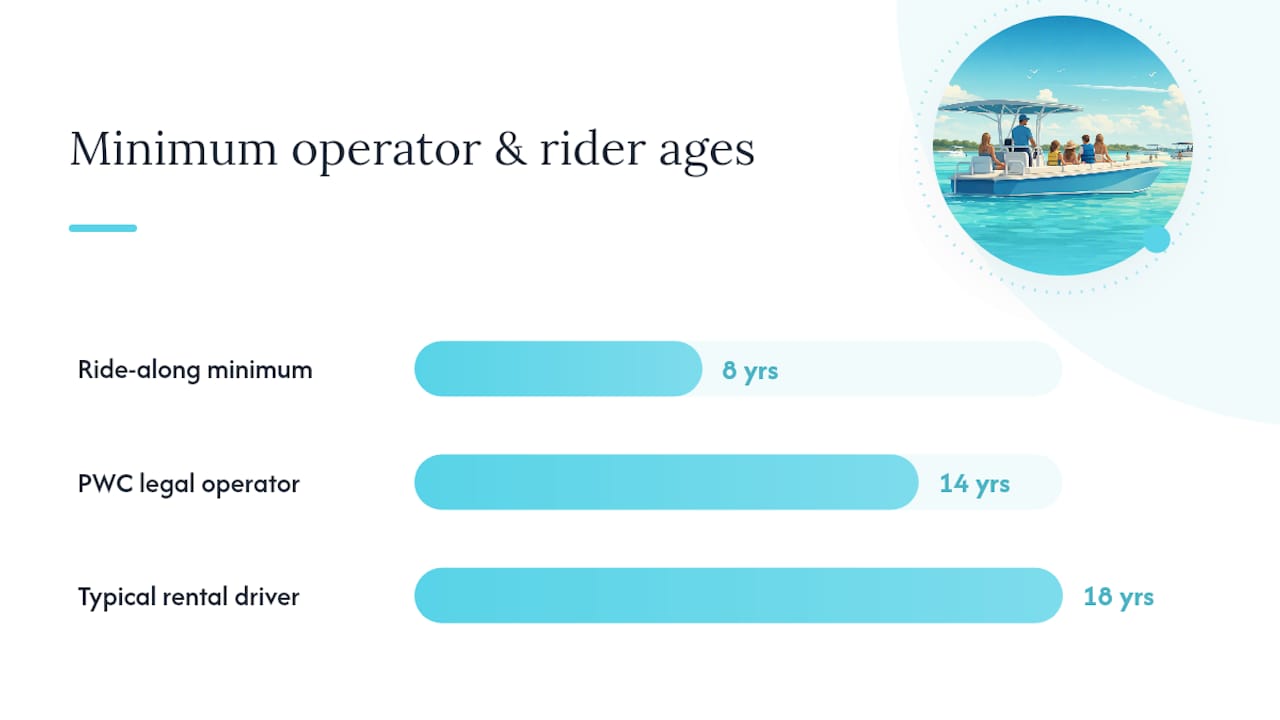
Pontoon and boat rentals follow a similar pattern. Most Destin rental operators require drivers to be 18 or older, and if that driver was born in 1988 or later, they’ll need to show a boater education card at check in.
Run through this before you commit to a rental:
Confirm the minimum driver age with the specific rental company, not just general Florida law.
Ask whether a boater education card is required and bring proof if you were born after January 1, 1988.
Decide who in your group is the sober, legal operator for the whole trip.
If no one meets the age or licensing requirements comfortably, book a captained option instead.
Planning a Family Trip: Transport, Supervision, and What to Pack
How you get to Crab Island changes the safety equation more than almost anything else. A shuttle or captained tour removes licensing worries entirely since someone else is driving. A self-rented pontoon gives you more flexibility but puts the boater education and supervision burden on you. A private charter splits the difference, usually with a licensed captain and a boat sized for your group.
Once you’re anchored, keep kids in shallow water near the boat and away from the boat traffic channels that run through the anchorage. A simple buddy system, pairing each child with an adult or older sibling, keeps track of everyone in water that can get crowded fast on a busy weekend.
Packing changes by age. For infants and toddlers, bring a properly fitted life jacket, a shade tent, and more sunscreen than you think you need. For elementary-age kids, add wristband IDs and a floatation noodle or two for confidence in the water. For teens, the priority shifts to clear rules about the drinking age and where they’re allowed to swim.
A short checklist covers most of what families forget:
Life jackets sized correctly for each child, not borrowed from an older sibling.
A waterproof bag with a charged phone, in case you need the nearest marina or medical contact.
Snacks and water, since there’s no shop out on the sandbar itself.
No glass containers, per local Crab Island guidance that recommends cans or plastic only.
Pro Tip: Save the nearest marina’s number in your phone before you leave the dock. Cell service is fine at Crab Island, but you don’t want to be searching for help in an emergency.
If you’re looking for other family-friendly water outings while you’re in the area, a holiday brunch cruise is a different kind of experience worth knowing about for future travel plans.
How a Captained Family Tour Handles the Age Rules for You
A captained tour sidesteps almost every legal question in this article. You’re not the boater education card holder, you’re not the one confirming PWC age minimums, and you’re not responsible for knowing exactly when the under-6 life jacket rule applies. The captain handles it.
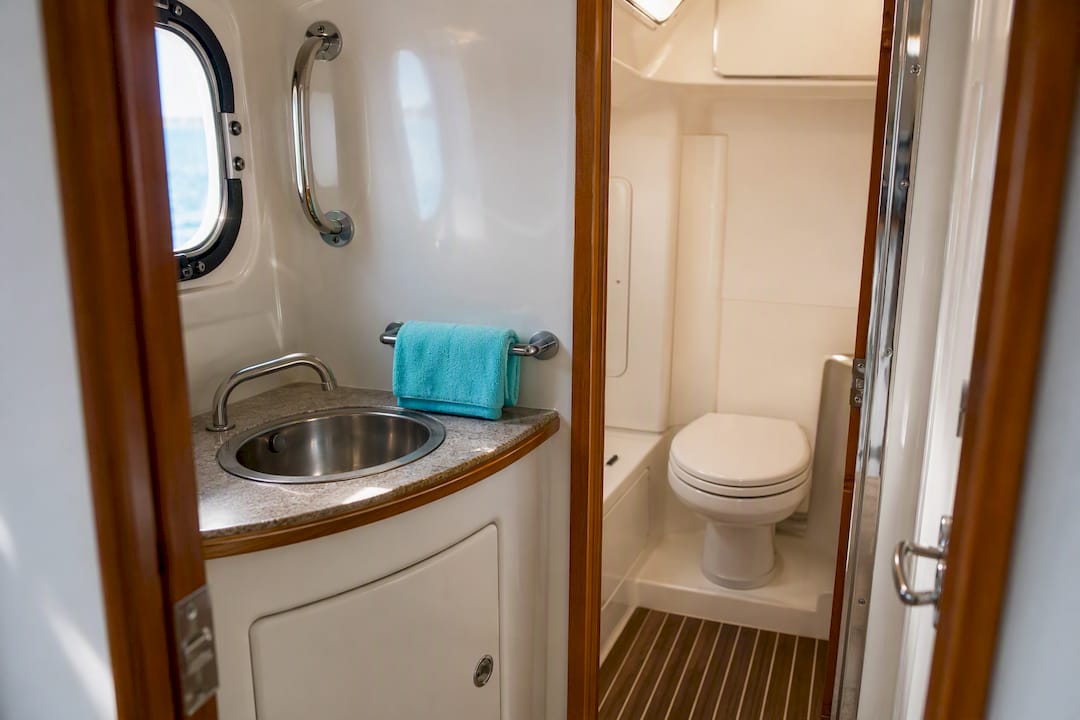
Guided outings are available that include an experienced captain, life jackets and floats, and an onboard restroom, which matters more than people expect when you’ve got toddlers or older kids who need a bathroom break mid-trip. Tours typically run about 4 hours, long enough to enjoy the sandbar without turning the day into a marathon for young kids.
Because the captain is licensed and the boat is provisioned ahead of time, families skip the two biggest compliance risks in this whole topic: unlicensed operators and missing or ill-fitting life jackets. That’s a real reduction in what parents have to manage on their own.
Before booking any family tour, confirm a few things directly with the operator:
Life jacket sizes available for your children’s ages and weights.
Whether shade or restroom access is included for long trips with young kids.
Group size and seating, especially if you’re traveling with extended family.
Fun and Safety Aren’t Opposites at Crab Island
Crab Island earns its family-friendly reputation honestly. The water’s shallow, the vibe is relaxed, and most of the risk comes down to preparation, not the location itself. Skip the guesswork on life jackets and operator age rules, and a captained trip removes almost all of that burden in one move.
— Troy
Book a Family-Friendly Crab Island Tour Without the Legal Homework
Some tour operators take the compliance questions out of your hands entirely: a licensed captain drives, life jackets and floats come included, and an onboard restroom means you’re not rushing kids back to shore. This option offers a low-hassle alternative to renting your own boat and juggling boater education cards, PWC age minimums, and life jacket sizing on your own.
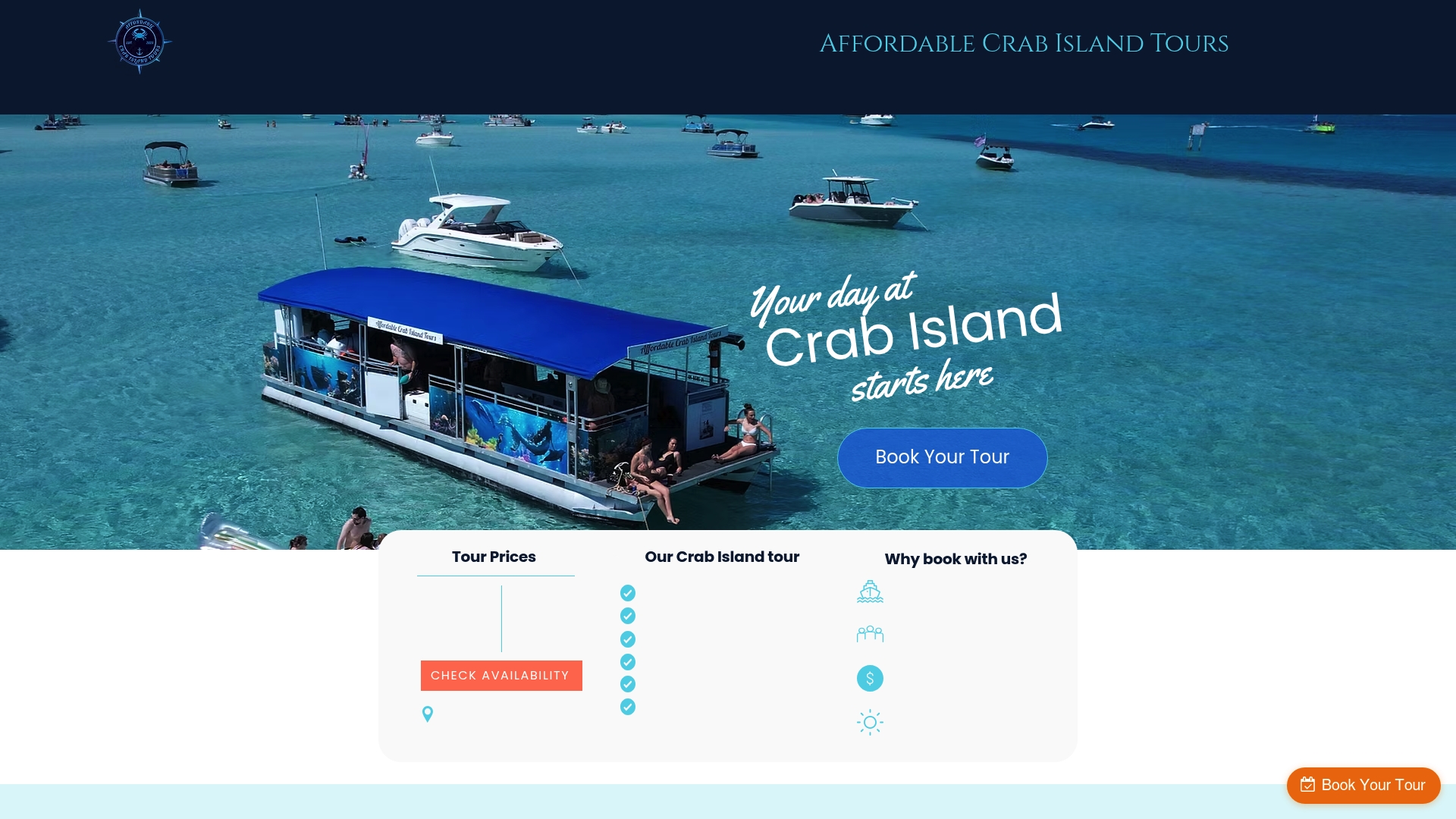
Tours run about 4 hours and are priced at $50 to $60 per person, a straightforward per-ticket cost with no boat logistics to sort out. Families benefit most, especially anyone with kids under 6 who need guaranteed life jacket coverage or parents who don’t want to deal with rental age requirements. Before you book, check available dates and confirm life jacket sizing for your kids’ ages on the Crab-island-tours booking page.
FAQ
Are Kids Allowed at Crab Island?
Yes, kids of all ages are welcome, and families regularly bring toddlers through teenagers. There’s no visitor age minimum, but children under 6 must wear a life jacket while any boat is underway.
Can I Rent a Boat for 14 People at Crab Island?
Larger group boats are available through rental companies and charters, though capacity depends on the specific vessel and its safety rating. There are guided boats that seat many passengers, which fits larger families or groups without splitting up.
How Much Is Crab Island Per Person?
Crab Island itself is free to visit since it’s a public sandbar, but you’ll need a boat to get there. A guided tour through Crab-island-tours runs $50 to $60 per person for a 4-hour trip with a captain, life jackets, and floats included.
Can I Take My 2 Year Old on a Boat?
Yes, but Florida law requires your 2-year-old to wear a properly fitted, USCG-approved life jacket any time the boat is underway. Confirm your rental or charter has infant and toddler sizes in stock before you book, since not every operator carries the smallest fits.
Recommended
Comments