.png)
Why the Crab Island Anchoring Tradition Exists

Why the Crab Island anchoring tradition exists: the short answer
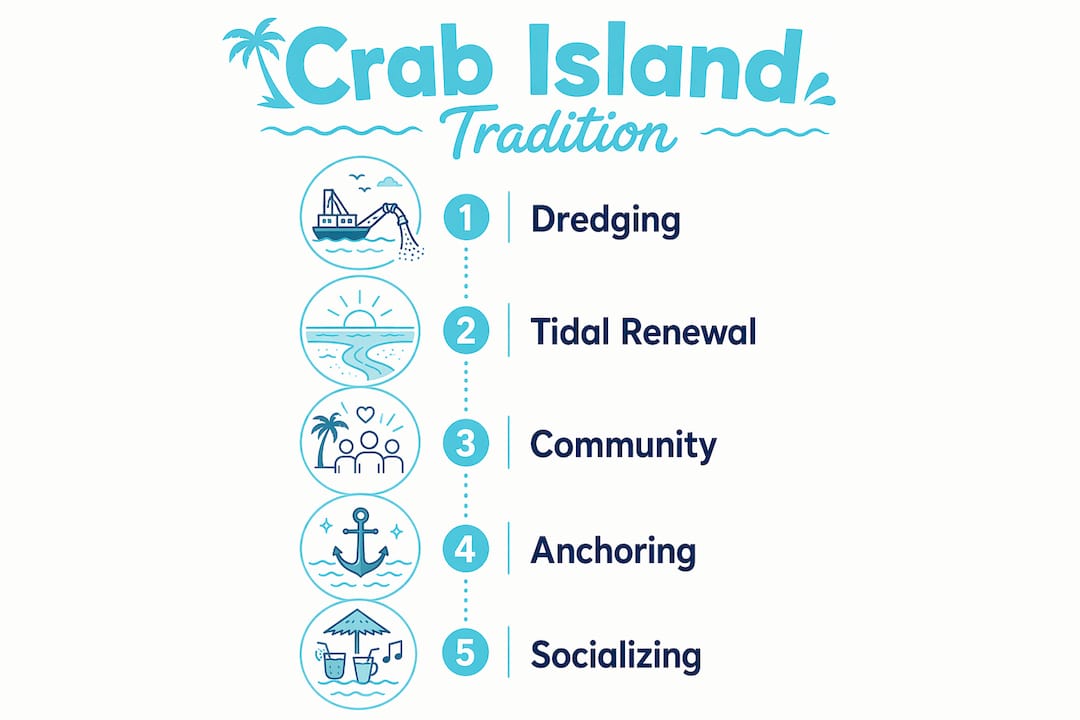
The Crab Island anchoring tradition exists because a submerged sandbar in Choctawhatchee Bay created a rare, shallow-water social space that boaters could not resist. No beach admission, no reserved spots, just emerald-green Gulf water and a crowd that keeps growing.
Geographic origin: The U.S. Army Corps of Engineers dredged the Destin East Pass starting in 1931, depositing sand north of the Destin Bridge and forming what locals called a “spoil island.” Erosion and Hurricane Eloise in 1975 eventually flattened it into the sandbar visitors anchor over today.
Natural conditions: Tidal flows from the Gulf of Mexico push clean, emerald-colored water across the shallow sandbar daily, keeping the water clear and refreshing even when hundreds of boats are anchored nearby.
Community growth: Through the 1990s and 2000s, local boaters spread the word about the spot, turning a quiet fishing hangout into Destin’s most recognized social gathering on the water.
Watercraft-only access: No road reaches Crab Island. That barrier keeps the experience boat-centric and reinforces the anchoring custom as the only way in.
Ongoing appeal: The mix of open water, social energy, and no admission fee sustains the tradition year after year.
Table of Contents
Historical and cultural significance of the Crab Island anchoring tradition
From bird sanctuary to party sandbar
Early records call the spot “Bird Island,” a dry, vegetated landmass frequented by pelicans, herons, and shorebirds. The dredging of East Pass by the Army Corps of Engineers, which began in 1931 and continued through 22 separate operations by December 1967, fundamentally reshaped the bay’s currents and sand deposits. Hurricane Eloise accelerated the erosion, and by the 1970s the island had all but disappeared beneath the surface.
The social scene takes hold
Local boaters discovered that the shallow, warm water was perfect for wading, floating, and socializing without ever leaving their boats. Crab Island anchoring history shows a gradual shift from quiet recreation to a full community gathering, with vendors eventually ferrying drinks and snacks by boat. Destin has over 13,000 boats registered in Okaloosa County, many of which make Crab Island a regular stop. The sandbar even earned a spot on the Travel Channel’s list of the top 10 places to anchor in the U.S.
Typical activities and social customs
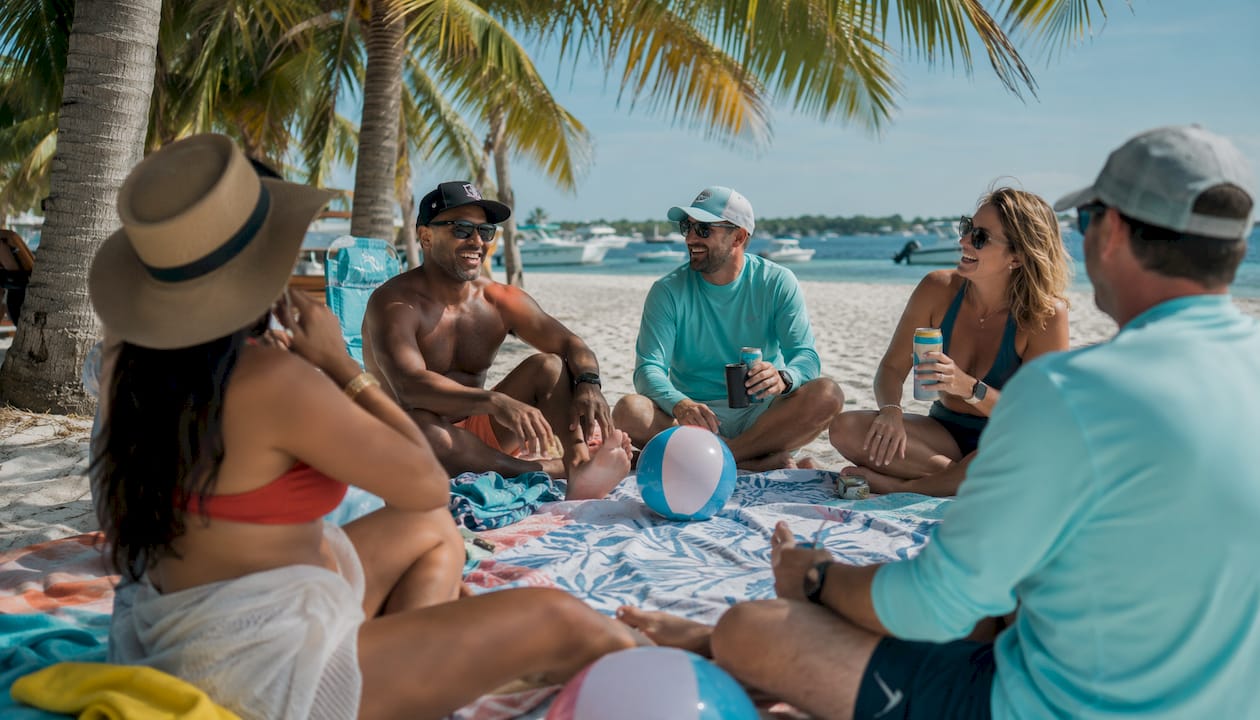
Visitors anchor, deploy floats and inflatables, wade in waist-deep water, and drift between boats. The cultural practices at Crab Island mirror a waterborne neighborhood block party. Families return annually, building personal traditions layered on top of the community one.
Safety and anchoring technique
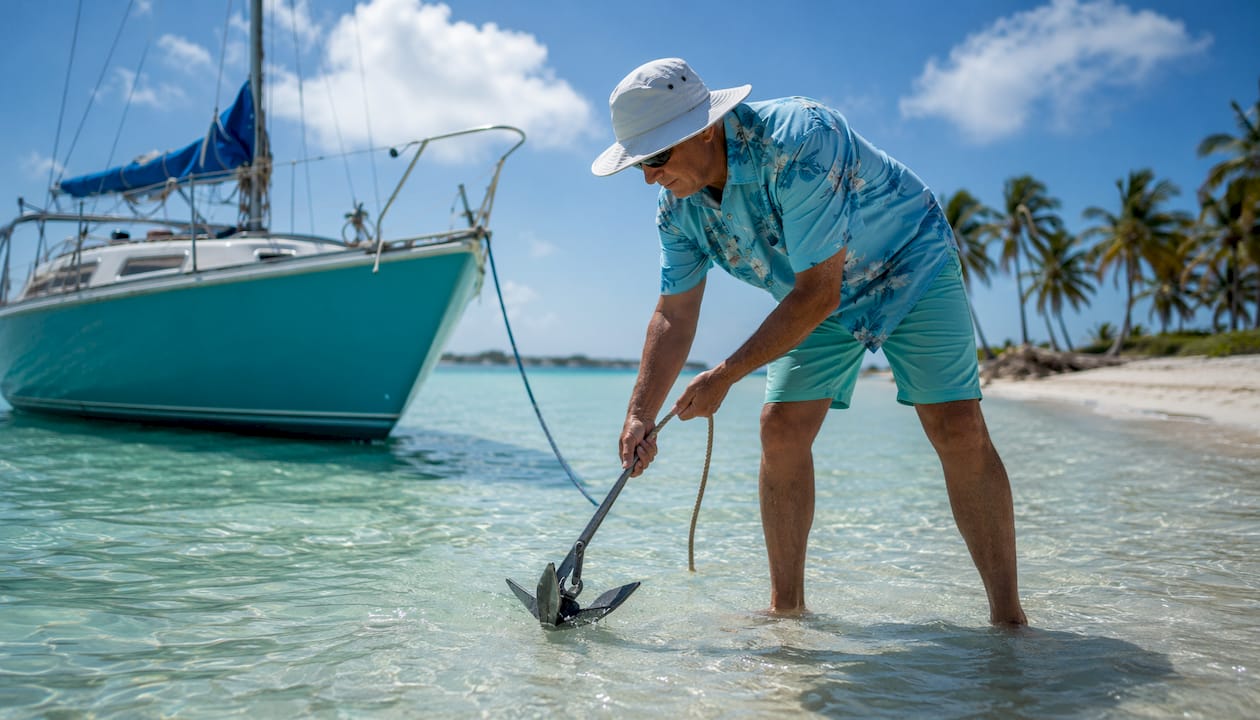
The sandbar’s shifting sand and strong tidal currents demand proper gear. Fluke-style anchors and sandbar stakes hold better than traditional anchors on the soft bottom, and boaters typically use at least a 3:1 anchor-line scope. Multiple anchor points prevent boats from swinging into neighbors when currents pick up.
Regulations since 2020
Since 2020, commercial restrictions banned alcohol sales and removed large inflatables from the water, reducing the commercial excess that had built up over two decades. Longtime residents hold mixed feelings, proud of the tradition yet concerned about ecological wear on the sandbar’s remaining sea grasses.
Crab Island compared to similar traditions
Other Gulf Coast sandbars host anchoring gatherings, but few match Crab Island’s combination of tidal water clarity, proximity to a major inlet, and decades of community investment. The hermit crabs of Shell Island near Panama City Beach show how nearby coastal spots develop their own distinct marine character, yet Crab Island’s social anchoring culture remains singular along the Emerald Coast.
Experiencing it without the hassle
Crab-island-tours offers a budget-friendly, all-inclusive tour package with floats, an onboard restroom, and an experienced captain, so you show up and enjoy the tradition without managing boat logistics.
Key Takeaways
The Crab Island anchoring tradition exists because dredging-created geography, daily tidal renewal, and decades of community boating culture combined to make the sandbar the Gulf Coast’s most iconic social anchorage.
Point | Details |
Geographic origin | Army Corps dredging deposited sand north of the Destin Bridge, forming the sandbar that became Crab Island. |
Tidal renewal | Gulf tidal flows replenish clear water over the sandbar daily, sustaining its appeal for anchored boaters. |
Community growth | The tradition grew through the 1990s and 2000s as local boaters turned the spot into a social gathering. |
Regulations since 2020 | Commercial restrictions banned alcohol sales and large inflatables to protect the environment and public safety. |
Anchoring technique | Fluke-style anchors and a 3:1 scope ratio are the standard for holding safely on the shifting sandy bottom. |
Recommended
Comments