.png)
Will You Get Seasick on a Boat in Destin?

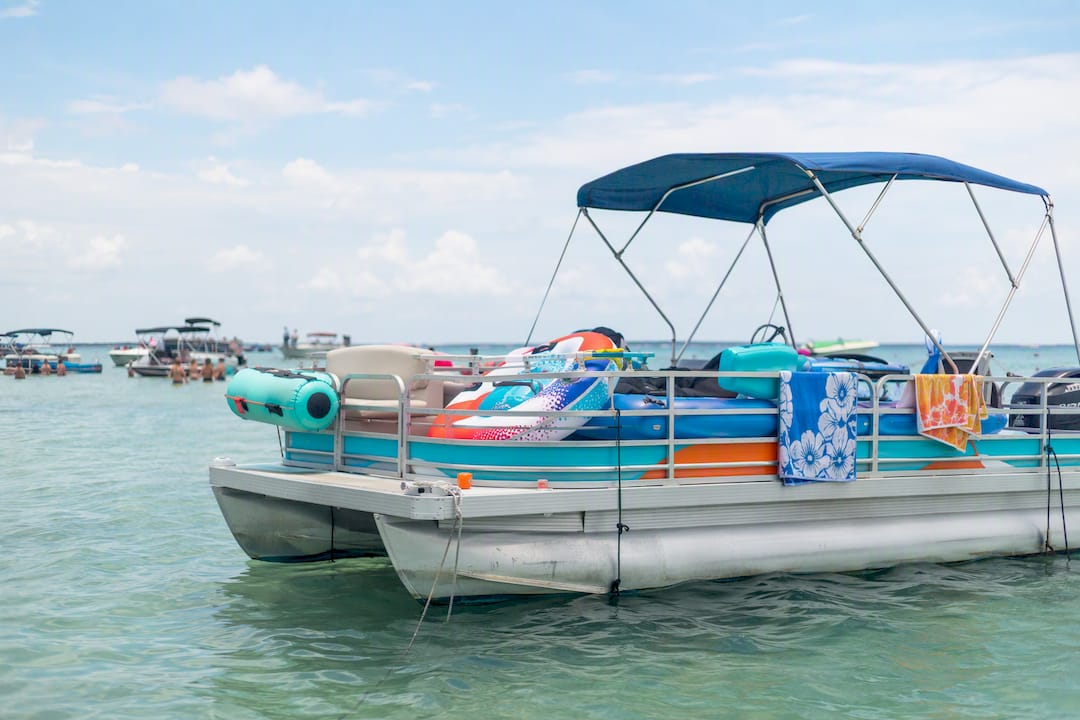
Most people can avoid seasickness on a Destin boat trip with basic prep. Susceptibility varies a lot by person, but a bad trip is rarely bad luck alone. It usually comes down to two things: whether you medicated in time and whether you picked a calm-water tour instead of an open-ocean run.
If you plan to use medicine: take it 30 to 60 minutes before boarding, not after you start feeling queasy.
If you’d rather skip medication: book a sheltered, guided trip. Crab Island sits in protected water, and a guided outing with Affordable Crab Island Tours keeps you off the rougher open Gulf entirely.
The CDC’s Yellow Book backs this up: prevention beats treatment almost every time.
Key Takeaways
Preventing seasickness in Destin comes down to timing your medication correctly and choosing a sheltered, guided trip over an open-water charter.
Point | Details |
Medicate early | Take dimenhydrinate or meclizine 30 to 60 minutes before boarding, not after nausea starts. |
Skip alcohol and nicotine | Both raise your susceptibility to motion sickness, especially combined with poor sleep. |
Use the horizon trick | Fix your gaze on a stable, distant point to resolve the sensory conflict causing nausea. |
Choose calmer water | Sheltered bay and Crab Island routes ride steadier than open-ocean deep-sea charters. |
Book a guided, protected-water trip | Affordable Crab Island Tours offers a 4-hour outing on calm water with an experienced captain and onboard restroom. |
Table of Contents
How To Prevent Seasickness Before You Even Board
What you do the night before matters more than anything you do once you’re on the water. Motion sickness is easier to head off than to reverse, and the CDC notes that alcohol, nicotine, and poor sleep all raise your odds of getting sick.
Sleep a full night beforehand. Fatigue is one of the biggest amplifiers of motion sickness.
Skip alcohol and nicotine the day before. Both increase susceptibility, even in small amounts.
Eat something small and bland for breakfast. Crackers or dry toast beat a heavy, greasy meal, which can irritate an already sensitive stomach.
Take your chosen medication 30 to 60 minutes before boarding. Waiting until you feel sick means the drug has to work against a stomach that’s already rebelling.
Pack water, ginger chews, and simple snacks. Sip steadily rather than gulping.
Pro Tip: Set a phone alarm for your medication timing the night before. On vacation mornings, it’s the easiest step to forget, and it’s the one that matters most.
Motion Sickness Medications: What Works and What To Watch For
Timing decides whether medication actually helps. The CDC Yellow Book states that oral medications work best when taken well before symptoms start, because once nausea sets in, your gut slows down and stops absorbing pills properly.
Dimenhydrinate (Dramamine): take 30 to 60 minutes before departure; causes noticeable drowsiness in most people.
Meclizine (Bonine): take about an hour ahead; generally less sedating, which makes it a better pick if you’re driving home or supervising kids.
Scopolamine patch: a prescription option applied 6 to 8 hours ahead of a multi-day trip; effective, but side effects like dry mouth and blurred vision are common.
A newer drug called tradipitant has drawn attention in nausea research, but the evidence base is still thin, particularly for vomiting rather than mild queasiness, so it isn’t a standard recommendation yet. Anyone pregnant, nursing, or taking other sedating medications should check with a doctor first. Sedation and driving don’t mix, and interactions can sneak up on you.
What To Do the Moment You Start Feeling Seasick
Once nausea hits, your response in the first few minutes decides whether it fades or snowballs. Harvard Health points to a simple mechanism: your brain gets confused when your inner ear senses motion but your eyes are fixed on something stationary, like a phone screen or a book. Fixing your gaze on the horizon resolves that conflict fast.
Get to open deck and breathe fresh air immediately.
Fix your eyes on the horizon or a distant, stable point like the shoreline.
Sit amidships, near the waterline, where the boat moves the least.
Keep your head as still as possible; lie down if you have the option.
Ask if you can help steer. Taking the wheel makes your brain anticipate the boat’s movement instead of reacting to it.
Sip water or ginger ale slowly.
Avoid reading, screens, strong smells, and heading below deck.
Sea Tow’s guidance lines up closely with medical advice here: fresh air, a steady head, and the horizon are your fastest tools. If you do vomit, rest and rehydrate rather than pushing through with food or activity right away.
Pro Tip: Distraction genuinely helps. Chatting with the crew or other passengers gives your brain something else to process besides the queasy signal from your inner ear.
Picking the Right Destin Boat Trip if You’re Prone to Seasickness
Your choice of vessel and route often matters more than any pill. Larger boats and catamarans ride steadier than small, fast open-water charters, and sheltered routes mean less chop to begin with. Guided trips through protected water consistently produce a smoother ride than open-ocean deep-sea fishing runs.
Choose a larger vessel with a wide, stable hull over a small open boat.
Favor sheltered bay, harbor, or Crab Island shuttle-style tours instead of offshore charters.
Book a guided sightseeing trip with a steady, experienced captain rather than a rental you’re navigating yourself.
Ask about onboard restroom access and shaded seating before you book.
Local guides note that trip scenarios where guests reliably get seasick tend to involve open Gulf water, not the protected side of Destin. If you want more detail on how conditions shift day to day, this breakdown of how weather affects Destin boat tours is worth a look before you book.
When booking for kids or a pregnant traveler, ask the operator directly whether the itinerary sticks to calm water and whether the trip is built with families in mind. Not every “family-friendly” label means the same thing. If you’re specifically prepping a child for a boat outing, this guide on preventing seasickness in kids covers age-specific tactics worth reading ahead of time.
What To Pack for a Seasickness-Free Day on the Water
Pack light, but pack smart. Bring your medication already taken, not just tucked in your bag, along with water, ginger chews or plain crackers, a light jacket for wind, and sunscreen. Some travelers swear by acupressure wristbands, though the evidence for them is mixed at best.
Choose midship seating when you get on board and stay low rather than climbing to an upper deck.
Skip a heavy meal right before the trip; a light, dry snack sits better.
If you’re bringing kids, time naps and meals around the trip’s length so nobody boards overtired or overstuffed.
Set expectations early. Telling a child the boat will rock a little beats a surprised reaction once it does.
When Seasickness Needs More Than Home Remedies
Most seasickness resolves within a few hours of getting back on solid ground. Some people notice mild imbalance for a day, and that’s normal. It’s your body readjusting after your inner ear spent hours calibrating to a moving deck. Repeated exposure, sometimes called getting your “sea legs,” typically smooths out within 48 to 72 hours if you’re on the water again.
Seek medical attention if any of these happen:
Vomiting continues for more than 8 hours.
You notice signs of dehydration: dark urine, dizziness, extreme thirst.
You develop severe neurological symptoms like confusion or slurred speech.
For everyone else, aftercare is simple: rehydrate, rest, and skip alcohol for 24 hours. If a sense of imbalance or nausea lingers well past that window, check in with a doctor rather than waiting it out.
What Destin Boat Crews Actually Do When a Guest Gets Sick
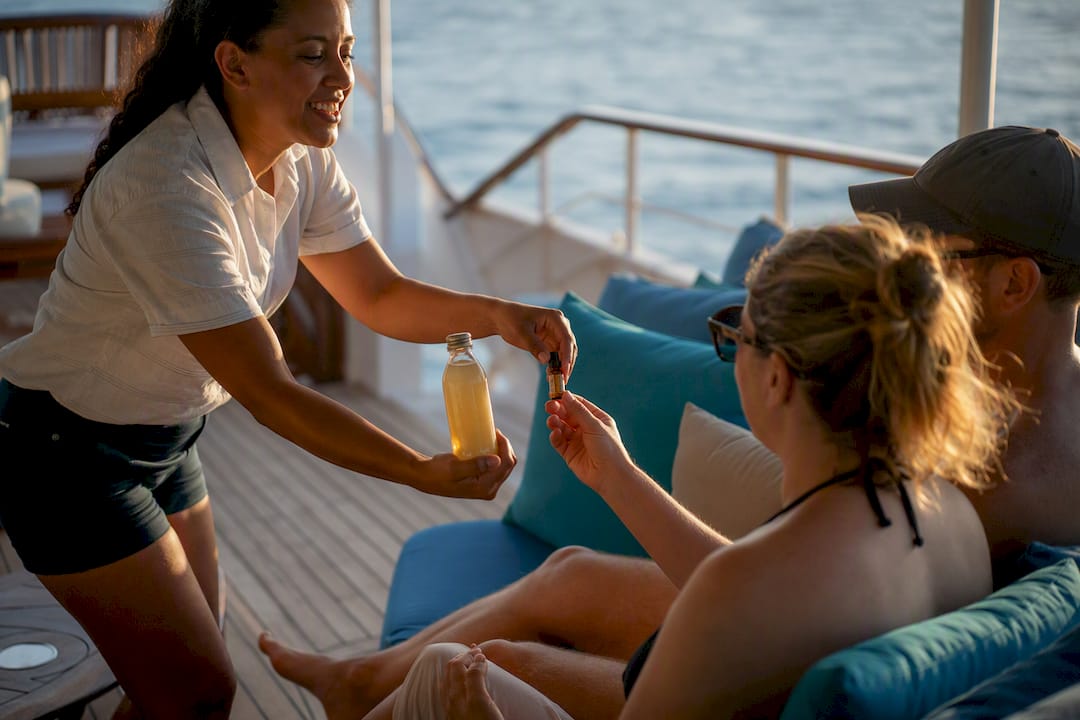
Ask any captain who’s spent a season on the water in Destin, and they’ll tell you the same thing: they’ve seen it all, and they’ve got a routine for it. Ginger ale, a splash of aromatherapy oil, a shaded seat, and quick restroom access solve most mild cases within twenty minutes. Guest reviews of local operators, including feedback on Destin charter experiences, consistently mention crews stepping in fast with these small fixes.
Guests who’ve done both tend to report the same pattern: a guided Crab Island trip or a sheltered dolphin cruise feels noticeably gentler than a deep-sea charter chasing rougher water further offshore. That’s exactly why a trip built around experienced captains, floats, and an onboard restroom removes a lot of the guesswork before you ever leave the dock.
Why Affordable Crab Island Tours Is a Smart Pick if You’re Worried About Seasickness
If motion sickness has you hesitant to book anything, a guided Crab Island trip removes most of the variables that cause it. Affordable Crab Island Tours runs a 4-hour outing on protected water with an experienced captain handling navigation the entire time, comfortable seating for up to 31 passengers, floats and snorkel gear included, and an onboard restroom so nobody has to grit their teeth waiting to get back to shore.
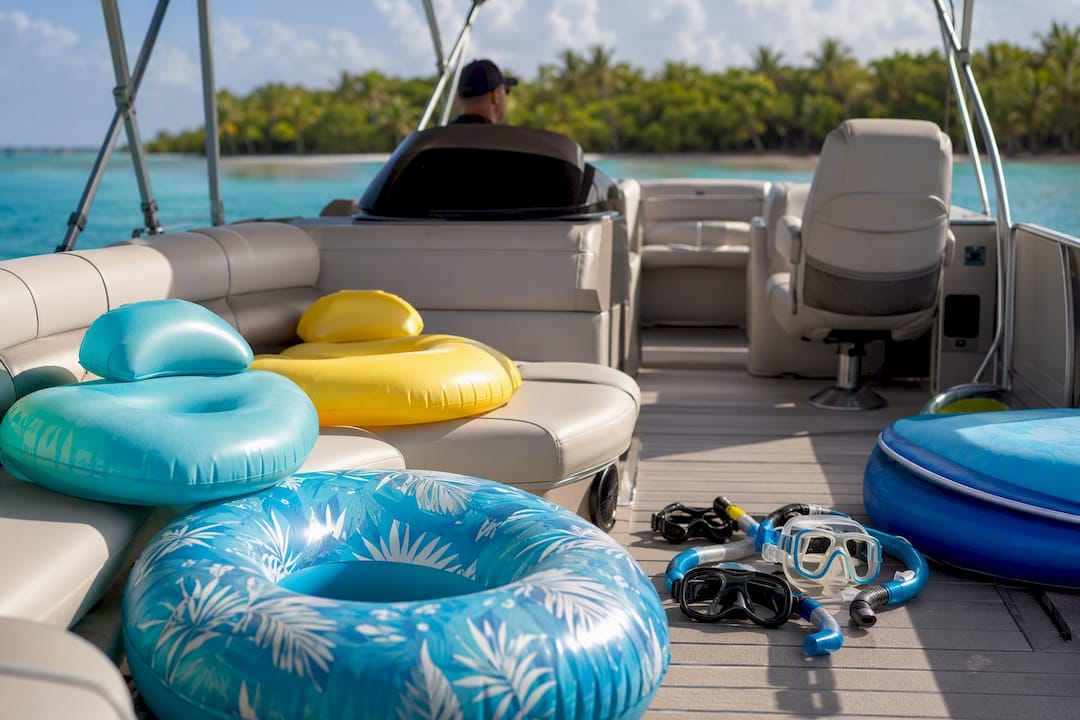
Crab Island’s water stays calm compared to the open Gulf, and a steady, experienced hand at the wheel means fewer sudden movements and no guesswork about sea conditions. You show up, the crew handles the boat, and you get four hours of floating, swimming, and relaxing without ever having to think about docking logistics or navigating rough patches yourself. Bring your own drinks, bring the family, and let someone who knows these waters do the driving. Check available dates and book your Crab Island trip here.
The Overlooked Truth About Seasickness Advice
Most seasickness advice treats the boat trip as fixed and the passenger as the variable to fix: take this pill, chew this ginger, stare at that horizon. That’s backwards for a lot of Destin vacationers. The trip itself is often the bigger lever, and it’s the one nobody mentions until they’ve already booked something rough.
Here’s what gets buried in most guides: a deep-sea charter chasing bigger fish further offshore and a guided Crab Island run to a sandbar are not variations on the same experience. They’re different physical environments with different water conditions, different vessel sizes, and completely different risk profiles for motion sickness. Treating them as interchangeable, and then loading up on Dramamine to compensate, is solving the wrong problem.
The medication and behavioral advice in this article all works. But if you already know you’re prone to seasickness, the smartest move happens at the booking stage, not the medicine cabinet. Pick the calmer trip first. Layer the medication and horizon tricks on top as backup, not as your primary defense against a boat ride you already suspected would be rough.
— Troy
Sources
Recommended
Comments