.png)
Your First-Time Boat Tour Checklist for a Stress-Free Crab Island Day

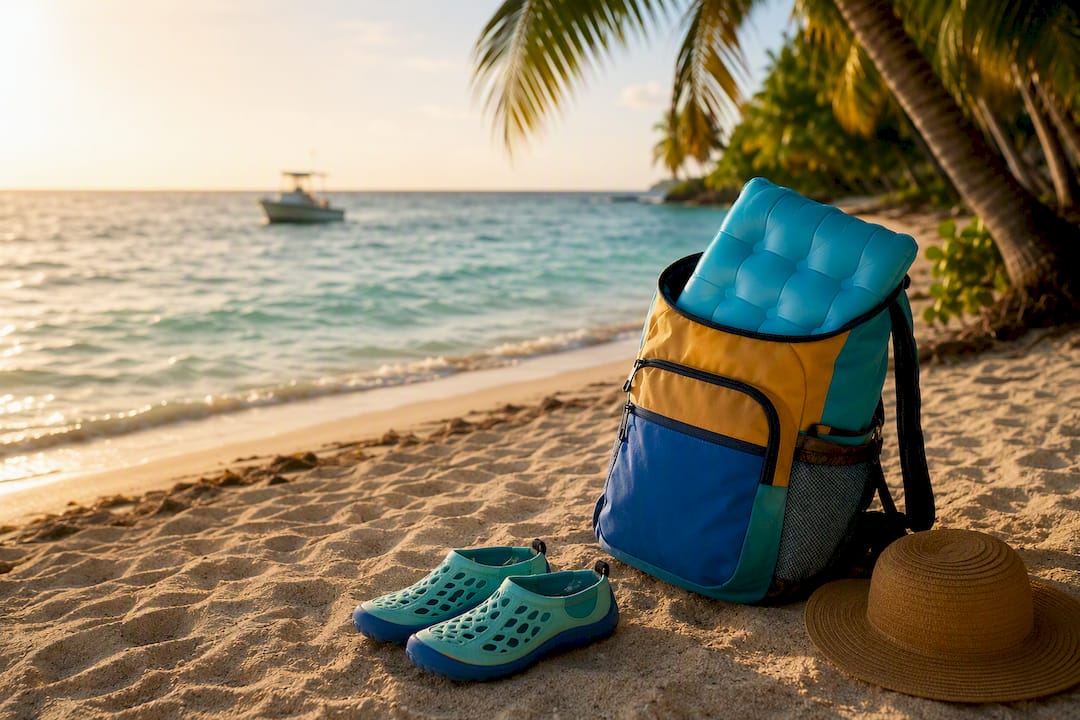
Eight things get you through a first-time Crab Island outing: sun protection, water, a towel and change of clothes, a dry bag, your ID and ticket, a motion-sickness remedy, non-slip shoes, and snacks in a reusable bottle or bag. Beyond gear, the main expectation is simple: a guided tour runs on calm, protected water with a crew handling the logistics, and the whole outing lasts about four hours.
Sun protection (reef-safe sunscreen, hat, sunglasses)
Water and snacks
Towel and a change of clothes
Dry bag for electronics
Photo ID and your booking confirmation
Motion-sickness remedy, taken early
Non-slip shoes, not flip-flops
Cash for tips or a cooler add-on
Pro Tip: Leave the giant beach umbrella and the cooler on ice at home. Affordable Crab Island Tours keeps the packing list short on purpose, and its official landing page lays out exactly what’s included so you don’t double-pack.
Key Takeaways
A stress-free first Crab Island tour comes down to eight packed items, layered clothing, early motion-sickness prevention, and trusting the crew to handle the rest.
Point | Details |
Pack light, pack smart | Bring sun protection, water, a towel, dry bag, ID, meds, non-slip shoes, and snacks. |
Dress in layers | Water temperatures can feel 10 to 15 degrees cooler than shore, so pack a light layer. |
Time your meds right | Take motion-sickness remedies 30 to 60 minutes before departure for the best effect. |
Pick your seat wisely | The main deck rides steadier than the top sun deck for motion-sensitive guests. |
Let the crew handle logistics | Affordable Crab Island Tours provides floats, a restroom, and life jackets for a show-up-ready four-hour outing. |
Table of Contents
Before You Go: Booking, Parking, and Arrival Timing
Confirm four things the day before you leave: your booking reference, the departure marina, where you’ll park, and whether the trip allows BYOB. Most guests don’t realize restroom access is standard on a lot of Crab Island tours, so ask if that’s in question.
Double-check your confirmation email for the exact dock address, not just “Destin Harbor.”
Verify parking. Some marinas charge separately or fill up fast on weekends.
Pack chargers, meds, and your dry bag the night before, not the morning of.
Screenshot your ticket in case cell service drops near the water.
Arrive 15 to 60 minutes early depending on how congested that marina’s lot tends to get on a given day.
Keep a paper backup even if you’re checked in digitally.*
What to Wear on Deck
Water temperatures on Crab Island can feel 10 to 15 degrees cooler than the air on shore, so a light layer you can shed or add back matters more than you’d think. A swimsuit under shorts and a breathable shirt cover most of the day.
Non-slip sneakers or boat shoes; strapped sandals work too
Skip flip-flops and anything with a heel. Wet decks don’t forgive them.
Reef-safe sunscreen, reapplied through the day
Polarized sunglasses to cut glare off the water
A hat with a chin strap, since open water means open wind
Pro Tip: Clip your sunglasses to a strap and tuck your hat’s chin cord before the boat picks up speed. Both go overboard fast otherwise.
The Essentials Checklist: What Goes in Your Day Bag
Pack one bag per person, or one shared bag per small family, and you’re set. Here’s the full run-down before you leave the dock.
ID and your ticket confirmation
Cash or a card for tips and any add-ons
Reef-safe sunscreen and SPF lip balm
Hat and sunglasses
Towel and a change of clothes
Reusable water bottle and snacks
Dry bag for phones and wallets
Waterproof phone case or lanyard
Motion-sickness medicine, taken ahead of time
A small first-aid kit (bandages, motion patches, antiseptic wipes)
What you don’t need to bring: life jackets, floats, or a portable restroom. A seven-item list of commonly forgotten essentials flags dry bags and anti-nausea meds as the two items families skip most, and both matter more on the water than on land.
Life jackets (Coast Guard approved, all sizes)
Snorkel gear and floats
An onboard restroom
Families splitting one dock trip can share bulk items. One bottle of sunscreen, one gallon jug of water, and one snack bag per group beats everyone hauling duplicates.
What to Expect During the Safety Briefing and Onboard
Every trip opens with a short safety briefing: where the life jackets are stored, how the restroom works, and what to do if the crew calls for it. Follow crew instructions the moment they’re given, even if the request seems minor.
Seating is a real choice, not just a formality. The top sun deck gets better views and more breeze, but it also amplifies rocking. The main deck sits lower and rides noticeably steadier.
Trash goes in the provided bins, not over the side
BYOB is often fine, but pace it and clean up after yourself
Give photographers space near the rail during wildlife sightings
Use the restroom before big group photo moments to avoid a line
Most guests are surprised by how gentle the ride feels once they realize harbor tours run in protected, sheltered water instead of open ocean.
Packing and Planning Tips for Kids and Groups
Kids need a properly fitted life jacket checked by the crew, not just grabbed off the rack. Pack extra sunscreen, labeled medication, a full change of clothes, and snacks that don’t need refrigeration.
Reapply kids’ sunscreen every two hours; SPF 50 or higher holds up best on young skin
Pick a meeting spot at the dock before boarding, in case the group splits up
Assign one adult to carry the shared dry bag and everyone’s phones
Mention mobility needs or boarding help when you book, not at the dock
Groups traveling with kids of different ages might find useful overlap in advice built for family dolphin tours, since a lot of the seating and shade logic carries over.
Pro Tip: A flat, inflatable seat cushion takes up almost no space in a bag and makes a bench seat a lot more bearable after three hours.
Protecting Your Phone, Camera, and Souvenirs
Salt spray and a dropped phone ruin more vacation photos than bad lighting ever will. Test your dry bag’s seal at home in a sink before you trust it on open water.
Use a waterproof case or a small dry bag for phones and cameras
Attach a floating strap or wrist lanyard so a slip doesn’t mean a swim
Wrap shells or sand dollars in a separate bag; check that collecting them is allowed where you stop
Bring a quick-dry cloth for lens smudges and salt residue
Pro Tip: Snap your best shots early in the trip, while lighting is soft and the crew hasn’t yet reached the busiest anchor spot.
How to Prevent Seasickness on a Calm-Water Tour
Take an over-the-counter motion-sickness remedy or ginger chew 30 to 60 minutes before departure, not after you’re already queasy. A light, bland snack beforehand helps more than an empty stomach does.
Sit midship or on the main deck, where motion is smallest
Face forward and keep your eyes on the horizon, not your phone
Stay hydrated, and skip reading anything up close
Tell a crew member early if you start feeling off. Don’t wait it out alone.
Captains often adjust the route toward calmer water or invite a nervous passenger closer to the helm, where the ride feels steadiest.
Always check dosing instructions on any medication, or ask your physician if you’re combining it with something else you already take.
What a Show-Up-Ready Crab Island Tour Actually Includes
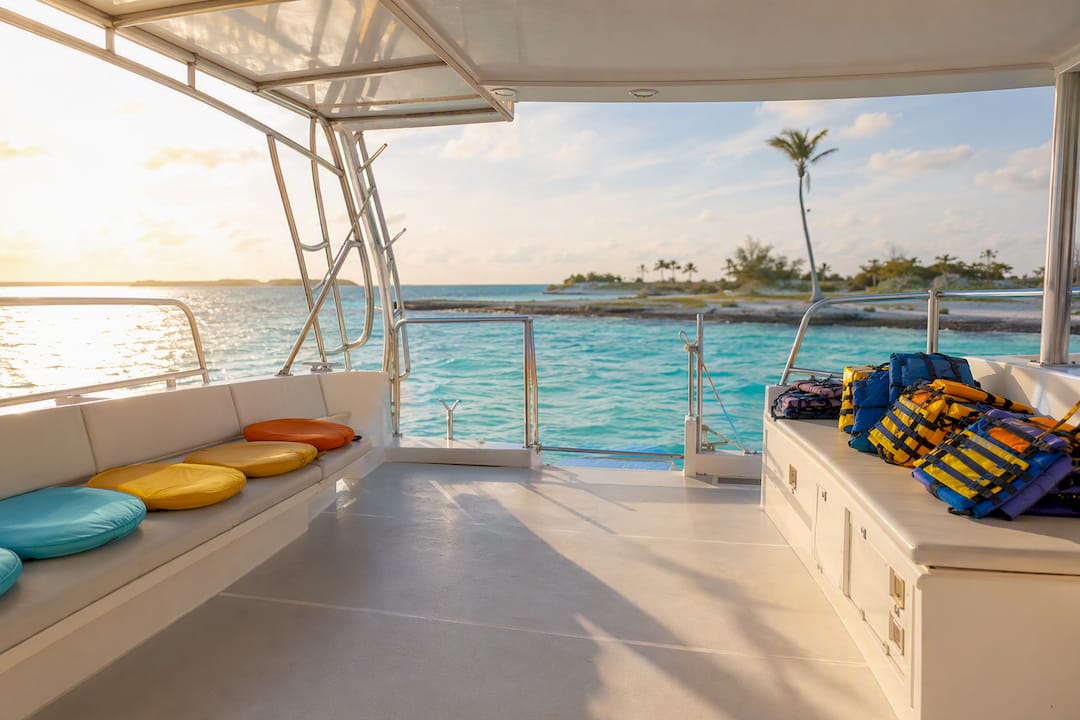
A well-run Crab Island outing hands you the gear so your bag stays light. Life jackets, floats, an onboard restroom, and snorkel gear are standard, and the crew handles narration and safety without you asking.
Coast Guard approved life jackets in kid and adult sizes
Floats and snorkel gear for time anchored at the sandbar
A restroom on board, not a dash to shore
A relaxed four-hour schedule, adjusted for wind or weather when needed
Show-up-ready tours exist specifically so guests skip the logistics of renting, fueling, and staffing their own boat.
BYOB is typically welcome, and a tip for the crew at the end is standard practice, not required.
A Crew Member’s Take on First-Timer Nerves
The worry we hear most often at the dock isn’t about the boat. It’s about seasickness or feeling out of place on a boat full of strangers. The fix is almost always the same: sit toward the middle, let the crew run the show, and the nerves fade within the first ten minutes.
Book an Affordable, Show-Up-Ready Crab Island Tour
Renting your own boat means fuel, a captain’s license or a hired one, safety gear, and hoping the weather cooperates. Affordable Crab Island Tours skips all of that. You show up, and the crew handles the rest.
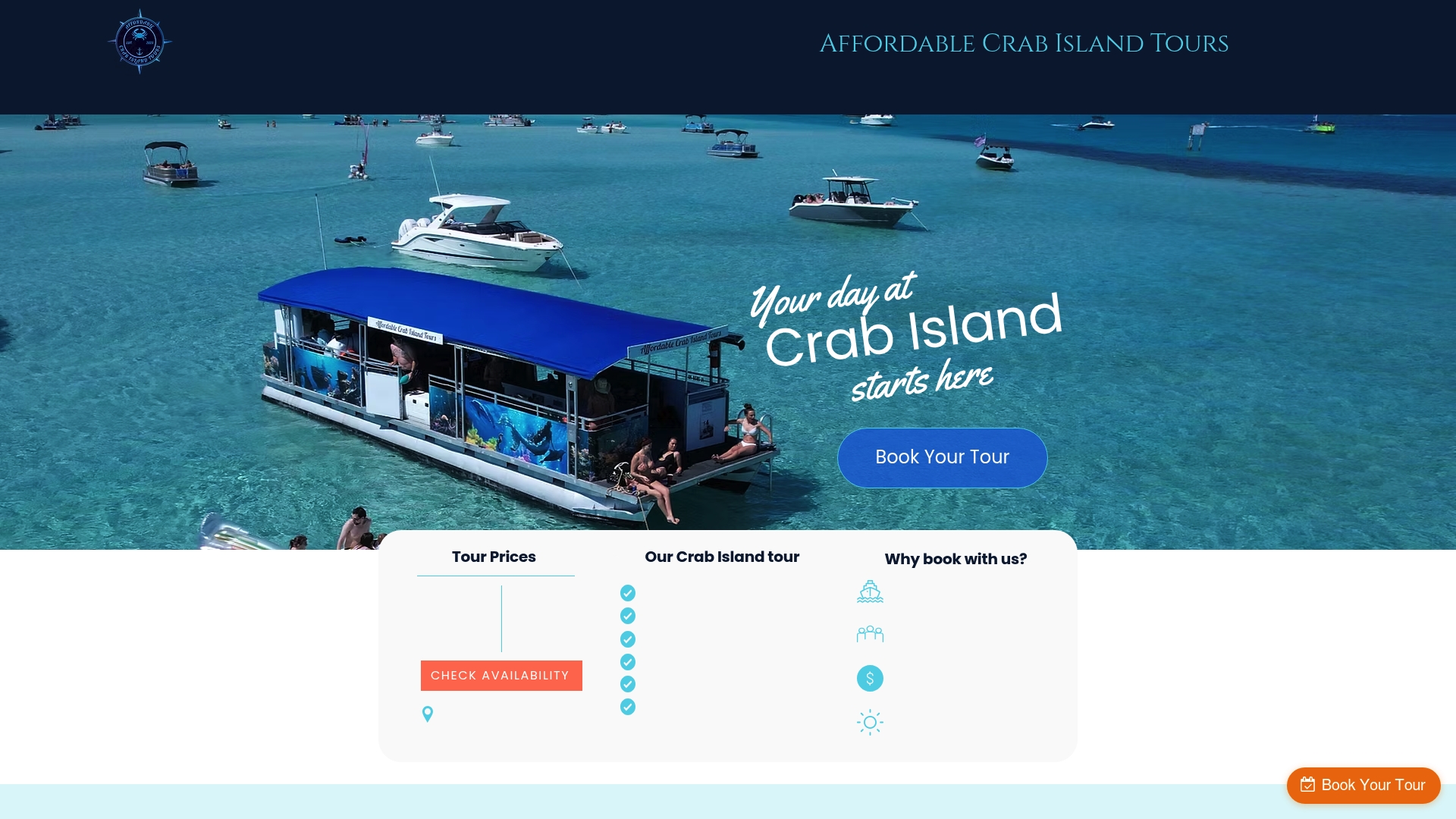
Every trip includes floats, snorkel gear, an onboard restroom, and an experienced captain, packed into a relaxed four-hour outing with BYOB welcome. Check open dates and book your spot on the Crab Island Tours landing page.
Frequently Asked Questions
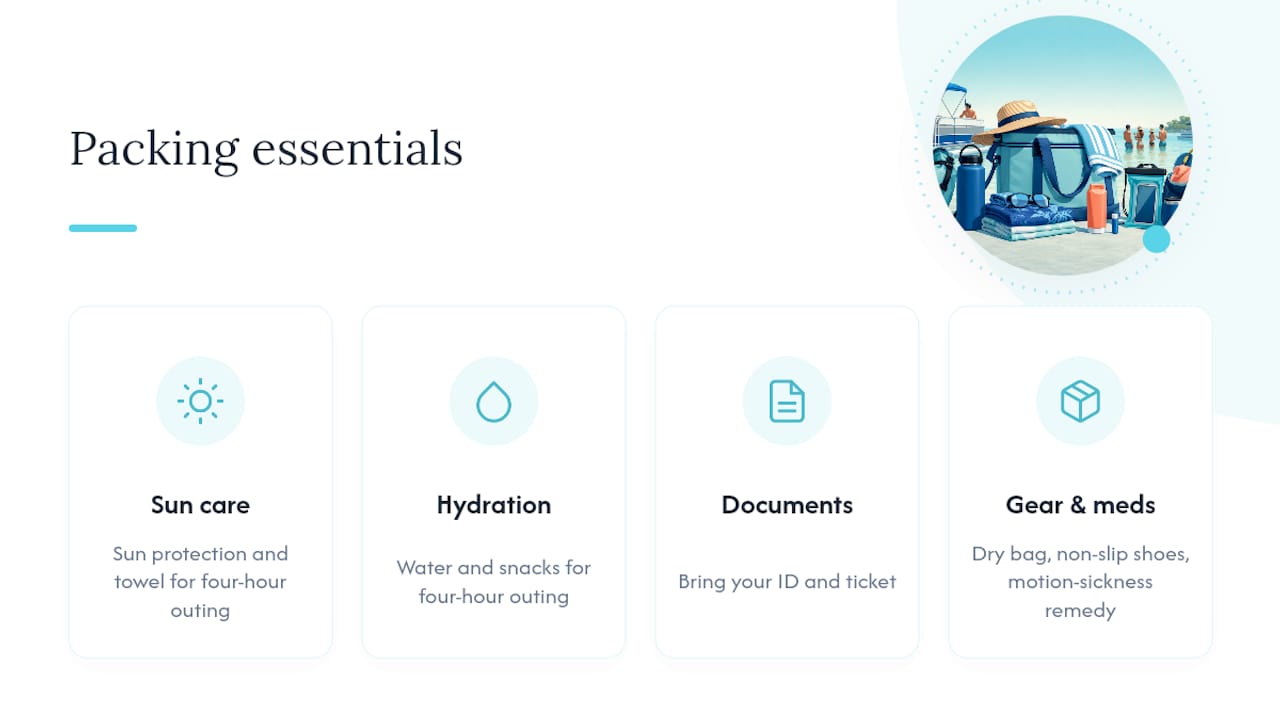
What should I bring on a first-time boat tour to Crab Island? Pack sun protection, water, a towel, a dry bag, your ID and ticket, a motion-sickness remedy, non-slip shoes, and snacks. That covers nearly everything you’ll need for a four-hour outing.
Do I need to bring my own life jacket? No. Coast Guard approved life jackets in adult and kid sizes are provided on Affordable Crab Island Tours outings, so you can leave yours at home.
How early should I arrive for a Crab Island tour? Plan to arrive 15 to 60 minutes before departure, depending on parking at your specific marina. Confirm your exact arrival window when you book.
What if I get seasick easily? Take a motion-sickness remedy 30 to 60 minutes before departure, sit midship or on the main deck, and keep your eyes on the horizon. Tell the crew early if symptoms start.
Is BYOB allowed on Crab Island tours? Many tours welcome BYOB with reasonable moderation. Confirm the specific policy when you book, since rules can vary by operator and boat.
What happens if the weather turns bad? Crews watch wind and conditions closely and will adjust the route toward calmer water or reschedule the trip entirely if safety is a concern.
Sources
These sources shaped the packing and comfort advice above, drawn from crew guidance, family-specific checklists, and regional boat tour operators.
Recommended
Comments