.png)
Crab Island Sharks: Four Recorded Incidents Since 1882

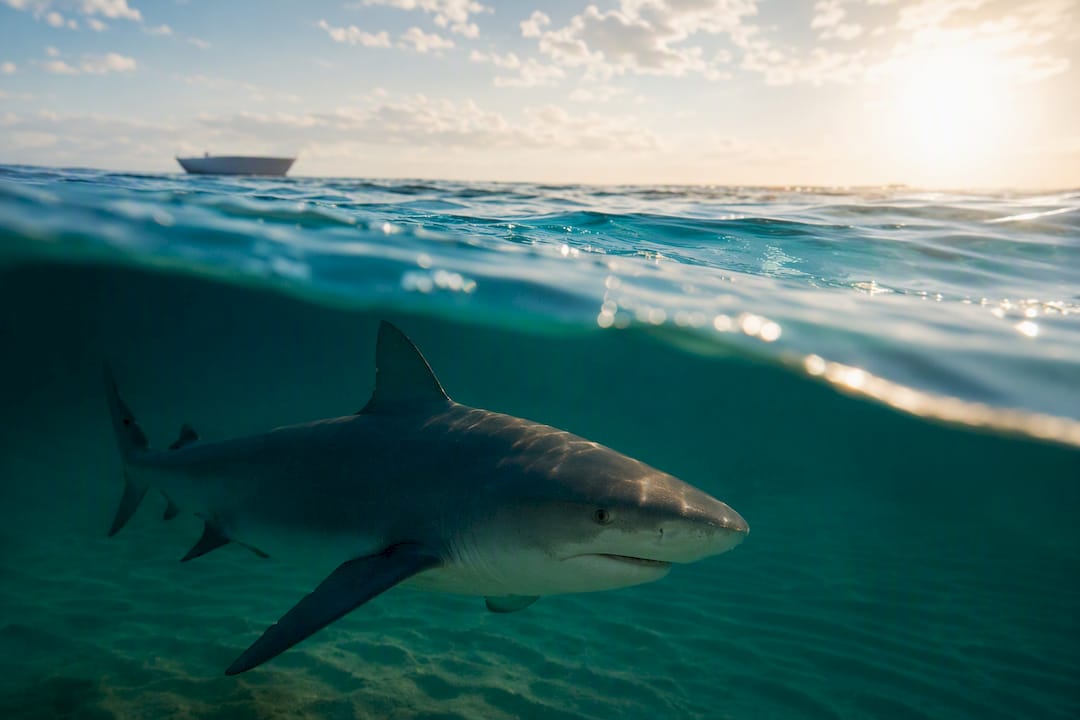
Shark sightings at Crab Island happen, but they’re rare, and most visitors never see one. Regional incident records show almost no history of shark attacks near Destin, and the animals people do encounter here, hammerheads passing through, are typically gone within minutes. Swim during daylight, stay close to your group or boat, and keep an eye on the water.
TL;DR:
Shark sightings at Crab Island are rare, with only four documented incidents since 1882, and no recorded attacks in the region’s history.
The sharks typically seen, such as hammerheads and blacktips, prefer deeper water or pass through shallow areas briefly while hunting.
Most sharks that appear near the sandbar move on within minutes, making lingering sightings or attacks highly unlikely.
Staying calm, alerting nearby boats, and avoiding chasing the shark are the recommended responses if one is spotted.
The presence of jellyfish, dolphins, and rays outweighs shark encounters as common marine life at Crab Island.
Table of Contents
Which Shark Species Show Up Near Crab Island
Crab Island sits in shallow, warm water just off Destin, and that setting rules out most large predators before they ever get close. The sharks locals and visitors occasionally spot belong to a short list of species that tolerate shallow, human-heavy water for short stretches at a time.
Bonnethead sharks: small, shovel-headed relatives of the hammerhead, usually under 3 feet, and the least concerning of the bunch.
Blacktip sharks: fast, migratory, and more commonly seen offshore or near the passes than right at the sandbar.
Hammerhead sharks: the species behind most of the notable Crab Island videos, recognizable by their wide, flattened heads.
Bull sharks: tolerant of shallow and brackish water, but sightings at the sandbar itself are uncommon.
Bull sharks and blacktips generally prefer deeper channels, drop-offs, and the passes where bait fish concentrate, not a shallow sandbar packed with boats and swimmers. Hammerheads are the exception. They sometimes cruise through shallow water while hunting rays, which explains why they’re the species most often caught on camera near the boats.
The bigger factor working in your favor is Crab Island itself. Between the propeller noise, anchor chains, and hundreds of people splashing around on any given afternoon, the sandbar is a poor place for a large shark to settle in and stay. Sharks that do show up tend to pass through and move back toward open Gulf water within minutes, not linger.
What the Evidence Actually Shows About Crab Island Sharks
The strongest argument for staying calm is the historical record. The International Shark Attack File maintained by the Florida Museum lists only four recorded shark incidents for the Destin/Okaloosa area, and the most recent dates back to 1882. That’s not a typo. It’s the single clearest piece of evidence that Crab Island’s shark risk is closer to statistical noise than a real threat.
That doesn’t mean sharks never show up on camera. A few documented moments stand out:
In late September 2018, a video captured on Crab Island showed what eyewitnesses identified as a hammerhead shark cruising near swimmers.
In May 2020, local news outlets reported four hammerhead sharks surprising boaters at the sandbar, a rare cluster sighting that made regional headlines.
Additional footage shared by outlets like KPEL shows hammerheads approaching shallow boats briefly before turning back toward deeper Gulf water.
Four recorded incidents since 1882. That single number does more to explain Crab Island’s safety record than any amount of reassurance ever could.
It’s worth separating a sighting from an attack. A shark swimming past a pontoon boat, even a big one, is a sighting. It becomes newsworthy precisely because it’s unusual, not because it signals rising danger. None of the documented Crab Island videos involved an actual attack.
What to Do if You Spot a Shark at Crab Island
Seeing a shark from a boat deck is startling, but the right response is almost always the same: stay calm, get information, and let the animal move on.
Get everyone out of the water calmly. No sudden splashing. Wade or swim toward the nearest boat ladder without kicking wildly.
Alert nearby boats. Most captains monitor VHF radio and will pass word to other vessels in the area.
Watch, don’t chase. Keep your distance and let the shark continue on its path. Hammerheads spotted at Crab Island typically move on within minutes.
Report it. Notable sightings can be reported to local authorities, and the Florida Fish and Wildlife Conservation Commission publishes guidance on sharks in Florida waters and how recreational users should respond.
Follow posted warnings. If a beach or area has flags or notices up, treat them as current information, not leftover caution from a prior day.
Guided tour captains generally follow this same playbook: move guests toward the boat, radio nearby vessels, and simply wait out the sighting rather than reacting with alarm.
Pro Tip: Avoid swimming near anyone fishing off a boat or the sandbar’s edges. Bait and cleaned fish scraps are far more likely to draw a shark’s attention than swimmers themselves.
Jellyfish and Other Marine Life You’re More Likely to Meet
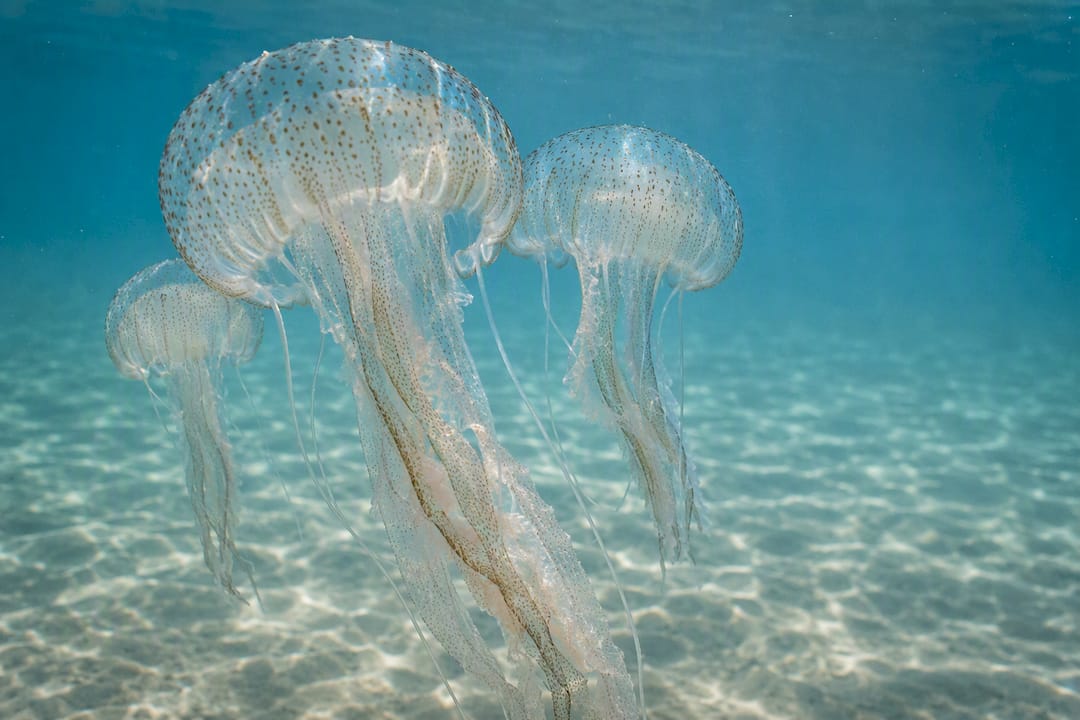
Sharks get the headlines, but jellyfish are the marine life you’ll actually run into at Crab Island. Moon jellies and sea nettles show up depending on tide and current, and unlike sharks, they’re usually easy to spot floating near the surface before you swim into one.
Dolphins and rays are common too, and neither poses much of a threat if you give them space.
Jellyfish: tide-dependent, visible if you look before wading in, and the most likely wildlife encounter of your trip.
Dolphins: frequent visitors around Crab Island, generally curious rather than a concern.
Rays: often rest on the sandy bottom; use the “stingray shuffle” (sliding your feet instead of stepping) to avoid startling one.
Checking with your guide: crews at Crab Island often know if jellyfish have been spotted that day and can point you to clearer water.
Why Experienced Captains Make a Real Difference
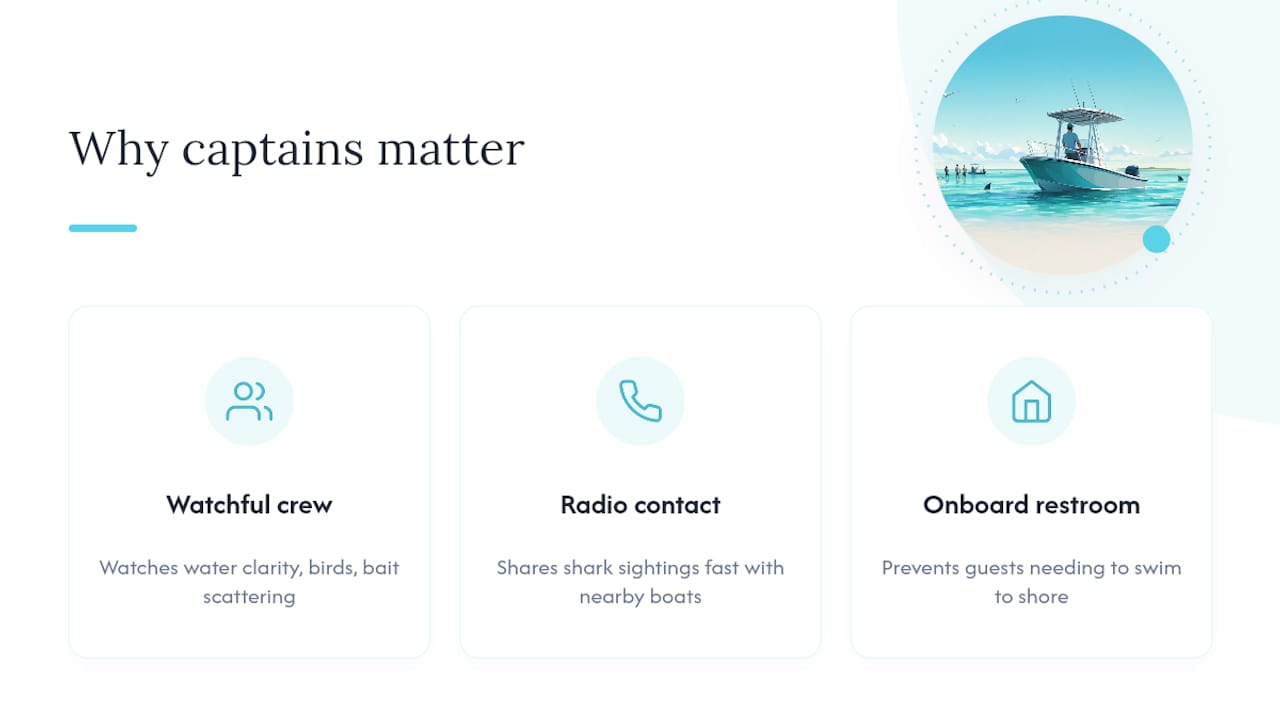
A captain who’s out on Crab Island every day develops a working sense of the water that a first-time visitor simply doesn’t have. Experienced crews watch for changes in water clarity, unusual bird activity, or bait fish scattering, all small signals that something’s moving through the area. They also stay in radio contact with other boats, so if one crew spots a hammerhead near the north end of the sandbar, that information travels fast.
A reputable tour typically brings a few concrete safety advantages: a crew actively watching the water rather than just driving the boat, a working radio connection to other vessels nearby, and an onboard restroom that keeps guests from needing to swim to shore for a break…
A Local Guide’s Take on Crab Island Wildlife
. In all my time on the water at Crab Island, dolphins and rays cross my path constantly. A shark sighting is the exception, not the rule, and when it happens, it’s almost always a hammerhead passing through rather than sticking around…
The incident record backs up what experienced captains already know: the real risk here is low, and staying calm during a rare sighting matters more than worrying about one happening in the first place.
— Troy
Enjoy Crab Island Without Worrying About the Water
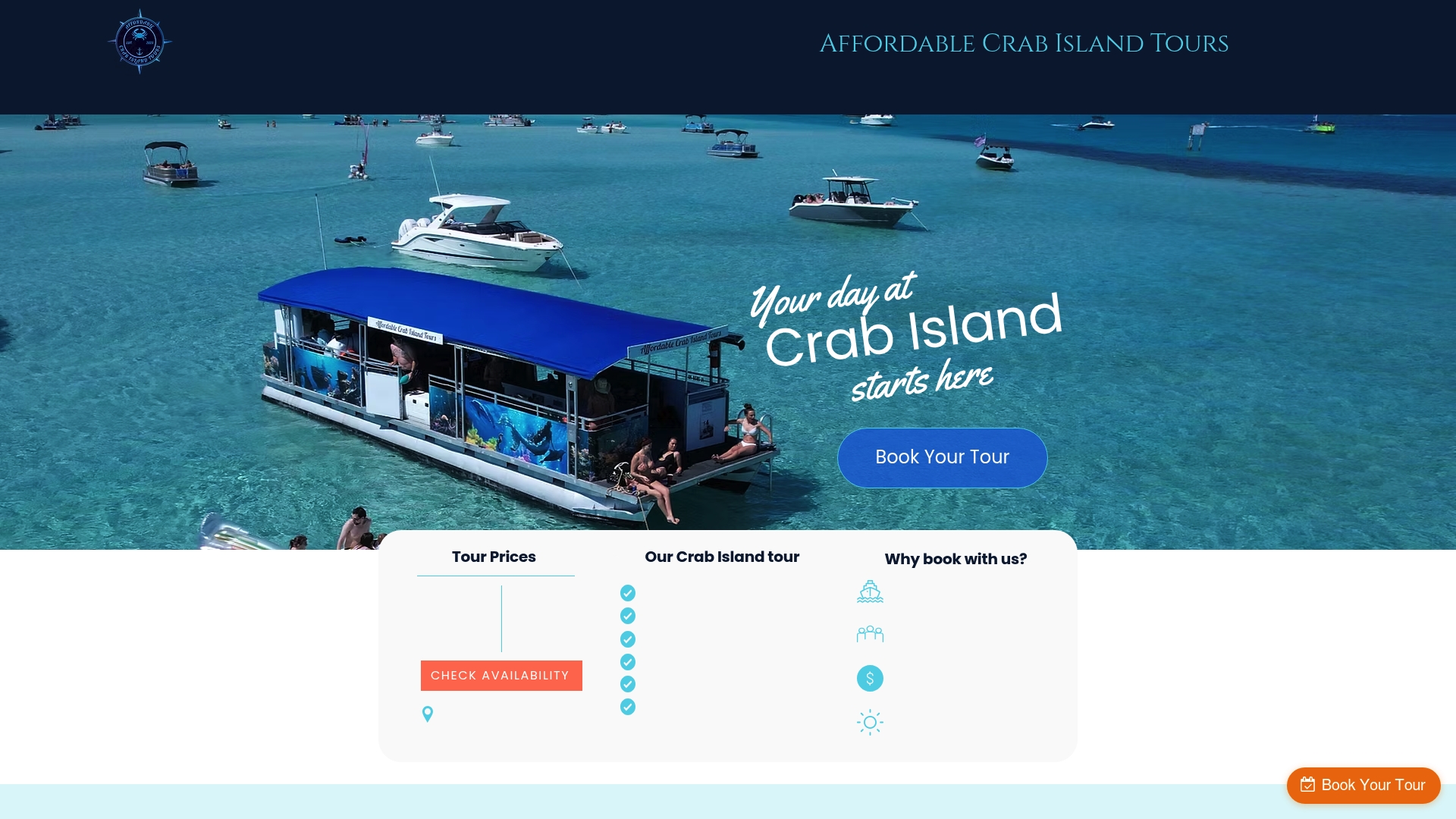
Crab-island-tours built its 4 hour outings around one idea: showing up should be the hardest part, not the boat logistics. Every trip includes an experienced captain, floats for the water, and an onboard restroom, so nobody has to swim to shore or plan around a bathroom break. Seating fits groups, and you’re welcome to bring your own drinks.
That experienced captain isn’t just there to drive. A crew that’s on the water every day notices changes in wildlife activity long before a first-time visitor would, and knows how to respond calmly if something like a hammerhead sighting happens nearby. If you’re planning a trip and want the sandbar experience without chasing down boat rentals or worrying about the details, book your Crab Island tour and check available dates.
Sources
For readers who want to verify any claim in this article: the Florida Museum’s shark attack database tracks the region’s full incident history, MyFWC publishes official shark safety guidance, and local outlets like WJHG and WKRG documented the notable eyewitness videos referenced above. For a broader look at Gulf Coast species, the PCB Prestige marine life guide offers useful regional context, and Crab-island-tours’s own sandbar visit guide covers general trip planning.
Recommended
Comments