.png)
Crab Island Packing List: What to Bring for the Perfect Day

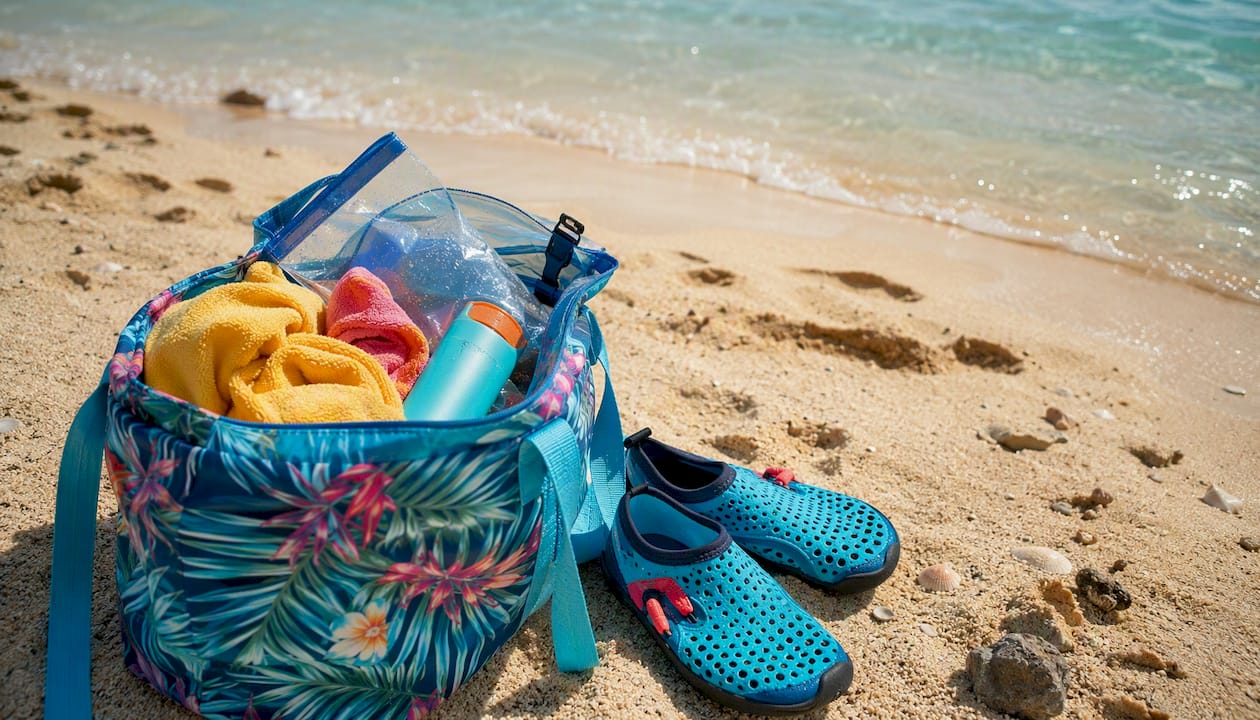
Pack sunscreen, a towel, your swimsuit, plenty of water, a dry bag, your ID and some cash or a card, and shoes that can get wet. That’s the core of any crab island packing list, and if you leave the dock with just those seven things, you’ll survive the day just fine. Everything else on this list makes the trip more comfortable, but those seven items are the ones people actually regret forgetting.
Here’s the fast version, good for a screenshot before you walk out the door:
Reef-safe sunscreen
A towel (bring two if you hate sitting on a wet one)
Swimsuit, worn or packed
Water, plenty for the day
A dry bag or waterproof phone case
ID, cash, and a card in a sealed pouch
Water shoes or sandals with a back strap
Pro Tip: Freeze a couple of water bottles the night before and toss them in your cooler instead of ice. They keep drinks cold for hours and you get to drink the melt as it thaws, so nothing gets wasted.
Key Takeaways
Packing for Crab Island comes down to seven personal essentials, since a guided tour supplies the floats, restroom, and captain most DIY trips have to source themselves.
Point | Details |
Dry bag first | Protect your phone, wallet, and keys before you worry about anything else. |
Reef-safe sunscreen | Choose SPF 30 or higher and reapply every two hours in the sun and reflected glare. |
Water shoes, not flip-flops | Pick sandals with a back strap so they survive wading over shell debris. |
Confirm operator inclusions | Ask about floats, BYOB rules, and restroom access before you book. |
Guided tours simplify packing | Crab-island-tours includes floats, snorkel gear, restroom access, and an experienced captain. |
Quick links to check before you go
The National Park Service’s stewardship page covers Leave No Trace guidance for coastal areas near Crab Island.
A map pin for Crab Island helps you confirm the sandbar’s exact location for planning parking and launch points.
A detailed packing rundown covers core items like towels, sunscreen, and cash in more depth.
A traveler’s guide to Crab Island reinforces the reef-safe sunscreen recommendation and general trip prep.
A cooler-packing guide for boat day trips is worth a look if you’re managing food and ice for a larger group.
A life jacket safety guide breaks down U.S. boating safety standards if you want more detail before heading out on the water.
Table of Contents
What Does a Crab Island Boat Charter Actually Provide?
Most guided tours and charter services hand you a life jacket the moment you step aboard, and many also carry a few extra floats or noodles for the group to share. Coolers are usually welcome on board, sometimes with dedicated space set aside so drinks and food stay cold the whole trip. Some boats, especially larger ones built for family groups, include an onboard restroom, which matters more than people expect once you’ve been out on the water for three hours. An experienced captain handles anchoring, navigation around the sandbar traffic, and reading the water conditions, which takes a surprising amount of guesswork off your plate.
What you get depends heavily on which kind of trip you book:
Guided tours typically include life jackets, some shared floats, cooler space, and a captain who knows the sandbar
Transfer shuttles get you to Crab Island and back but usually skip the extras like floats or restroom access
Private rentals give you full control of the boat but put all the gear, safety equipment, and navigation responsibility on you
Trip Type | Life Jackets | Floats Included | Restroom | Captain Handles Logistics |
Guided tour | Yes | Often, shared | Sometimes | Yes |
Transfer shuttle | Yes | Rarely | Rarely | Partial |
Private rental | You supply | No | No | No |
Booking platforms for local operators, including charter booking pages that list inclusions upfront, make it easy to see what’s covered before you show up with a car full of gear you didn’t need.
Pro Tip: Call or message your operator the day before and ask three questions: how many floats they provide, whether BYOB is allowed, and if there’s a restroom on board. Five minutes on the phone saves you from either overpacking or getting caught short.
What Should You Pack for a Day at Crab Island?
Sunscreen tops every serious packing list for a reason. The water around the sandbar is shallow and glassy, which means sun reflects back up at you from below as much as it beats down from above. Legacy Vacations’ traveler’s guide to Crab Island specifically recommends reef-safe sunscreen, both for your skin and because the shallow, high-traffic water here is sensitive to chemical runoff. Look for reef-safe sunscreen and reapply regularly, since sweat and splashing wear it off faster than a normal beach day would.
A towel is non-negotiable, and bringing two per person beats fighting over one damp towel by hour three. Your swimsuit should already be on under your clothes before you leave the house. Pack a full change of dry clothes for the ride home, to avoid discomfort from being wet. Water matters more than most people plan for. The sun and salt air dehydrate you faster than you’d expect, so bring Plenty of water for the day.
Snacks or sealed food keep energy up, especially for kids who burn through patience fast once hunger hits. ID, cash, and a card matter because common packing guides note that vendor boats sometimes circle through selling drinks, food, or souvenirs, and not all of them take cards. Water-safe footwear rounds out the essentials. The sandbar bottom mixes soft sand with occasional shell fragments and debris, so sandals with a back strap or dedicated water shoes beat flip-flops that’ll float away the second you step off the boat.
Item | Why It Matters | Quick Tip |
Reef-safe sunscreen | Protects skin and limits chemical runoff into shallow water | SPF 30+, reapply every 2 hours |
Towel (x2) | Comfort on the boat and dry-off after swimming | Pack a spare in a waterproof stuff sack |
Water | Prevents dehydration from sun and salt air | Plenty of water for the day |
Dry bag | Keeps phone, wallet, and keys safe from splashes | Choose a 5 to 10 liter size for a day trip |
Water shoes | Protects feet from shells and sandbar debris | Pick ones with a back strap so they don’t float off |
First-aid basics | Handles minor scrapes, jellyfish stings, sunburn | A zip pouch with bandages and aloe covers most needs |
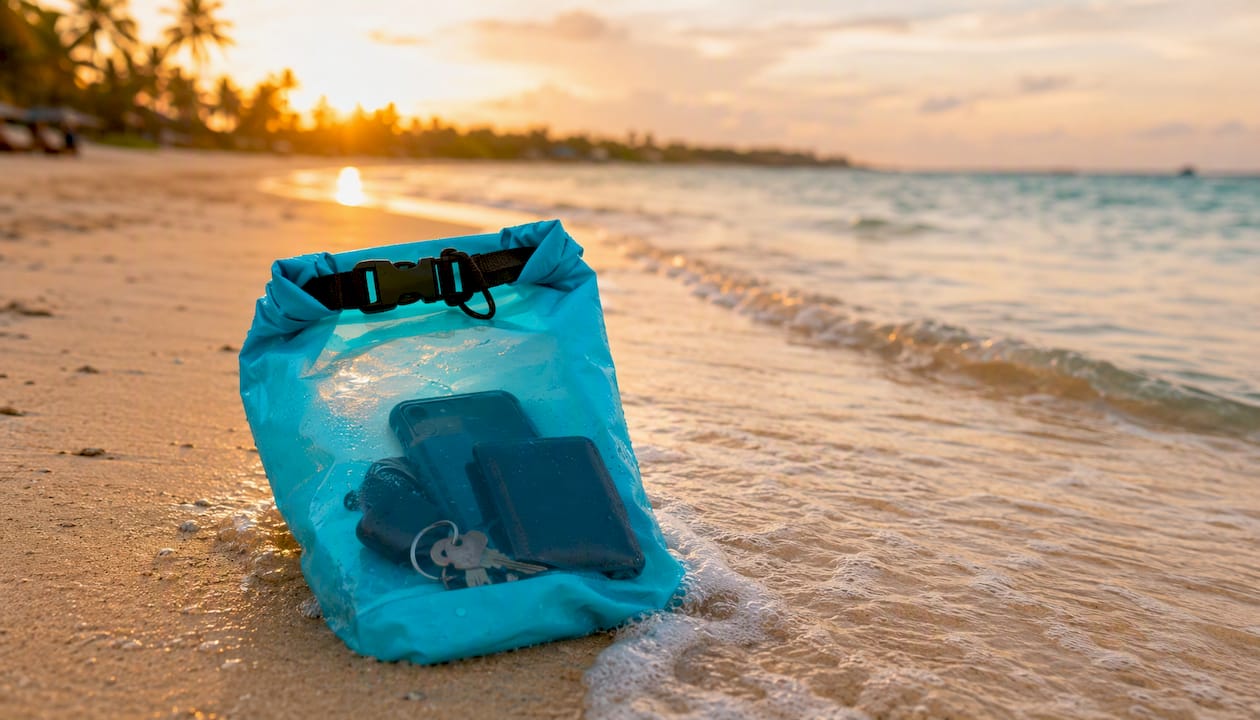
Phone protection deserves its own mention, since a soaked phone is the single most common regret from a Crab Island trip. A dry bag or a dedicated waterproof case keeps your phone, wallet, and keys safe while you’re wading between the boat and the sandbar. Motion sickness remedies are worth packing if you’re prone to it, particularly on choppier days. And even though most charters supply life jackets, wearing one is still smart if you’re not a confident swimmer, since the sandbar drops off into deeper channel water faster than it looks.
What Extras Make a Crab Island Trip More Fun?
Once the essentials are covered, a few extras turn a good trip into a great one, as long as your operator allows them on board. Inflatable floats, including the light-up LED versions for evening trips, are popular for good reason. A compact Bluetooth speaker adds music to the mix, though it’s worth keeping the volume considerate since sound carries a long way across open water and other groups are anchored close by. A snorkel mask lets you check out the marine life below the sandbar, and refillable water bottles cut down on the plastic bottles floating around by the end of the day.
Inflatable or LED floats for lounging in the shallows
A compact Bluetooth speaker, volume kept reasonable
Snorkel mask for exploring under the sandbar
Pop-up sunshade or beach umbrella, if your operator allows it
Refillable water bottles instead of single-use plastic
Some items run into trouble depending on the boat. Large inflatables can eat up deck space that other passengers need, full-size beach chairs rarely fit on a boat built for 20 to 30 people, and glass containers are a hazard everywhere near water and sand. Check with your operator before you buy anything bulky.
Pro Tip: If you’re bringing kids, pack a small waterproof pouch just for their snacks and a couple of quiet toys. Keeping valuables like phones and car keys in one central dry bag, rather than scattered across everyone’s individual bags, means nothing gets left behind when you switch from boat to sandbar.
What Should Families Pack for Crab Island With Kids?
Kids change the calculus on almost everything, starting with flotation. Child-size life jackets are worth confirming with your operator well before the trip, since sizing varies and not every boat stocks every size. Swim diapers are essential for anyone not yet potty trained, and rash guards protect young skin that burns faster than an adult’s. A wide-brim sun hat helps too, since kids are notorious for pulling off a baseball cap the second nobody’s watching.
Child life jackets, confirmed with your operator in advance
Swim diapers for infants and toddlers
Rash guards for extra sun protection
Wide-brim sun hats
Extra snacks, more than you think you need
Child-size water shoes
Shade planning matters more for kids than adults. Infants and toddlers shouldn’t spend long stretches under direct midday sun, so a portable shade or umbrella, paired with scheduled breaks back on the boat, keeps little ones from overheating. For footwear, warm-weather sandals built for toddlers, like the crab-print sandals sold at Target, are a solid example of the kind of secure, water-friendly shoe that keeps small feet protected on the sandbar without sacrificing the vacation theme.
Crab Island gets crowded, and it’s easy to lose sight of a small child in a sea of adults treading water. Assign one adult per child as a designated watcher during the busiest stretches, and agree on a landmark, like a specific boat or float color, as a meeting point if anyone gets separated.
How Should Groups and Bachelorette Parties Pack for Crab Island?
Packing for a group shifts from individual gear to shared gear, and figuring out who’s bringing what before you leave saves a lot of confusion at the dock. A large cooler beats several small ones for space efficiency, and marking cups with names or initials cuts down on the “whose drink is this” problem. Biodegradable plates and utensils are worth the small extra cost, and a trash bag assigned to one person keeps the boat from turning into a mess by hour two.
One large shared cooler instead of several small ones
Marked cups so nobody loses track of their drink
Biodegradable plates and utensils
A trash bag, with one person responsible for it
A first-aid kit sized for the whole group, not just one person
Etiquette matters more with a bigger group. Keep walkways on the boat clear, especially near the restroom or exit points. Music is part of the fun, but keep it at a level where you can still hear the crew’s instructions and your neighbors on the water can hear theirs. If alcohol is part of the plan, confirm your operator’s BYOB policy ahead of time, since rules vary by boat and by company.
Pro Tip: Split responsibilities before you even leave the house. One person handles shade, one handles the cooler, one owns cleanup. Groups that assign roles in advance spend a lot less time arguing about logistics once they’re actually out on the water.
What Should You Leave at Home Before Heading to Crab Island?
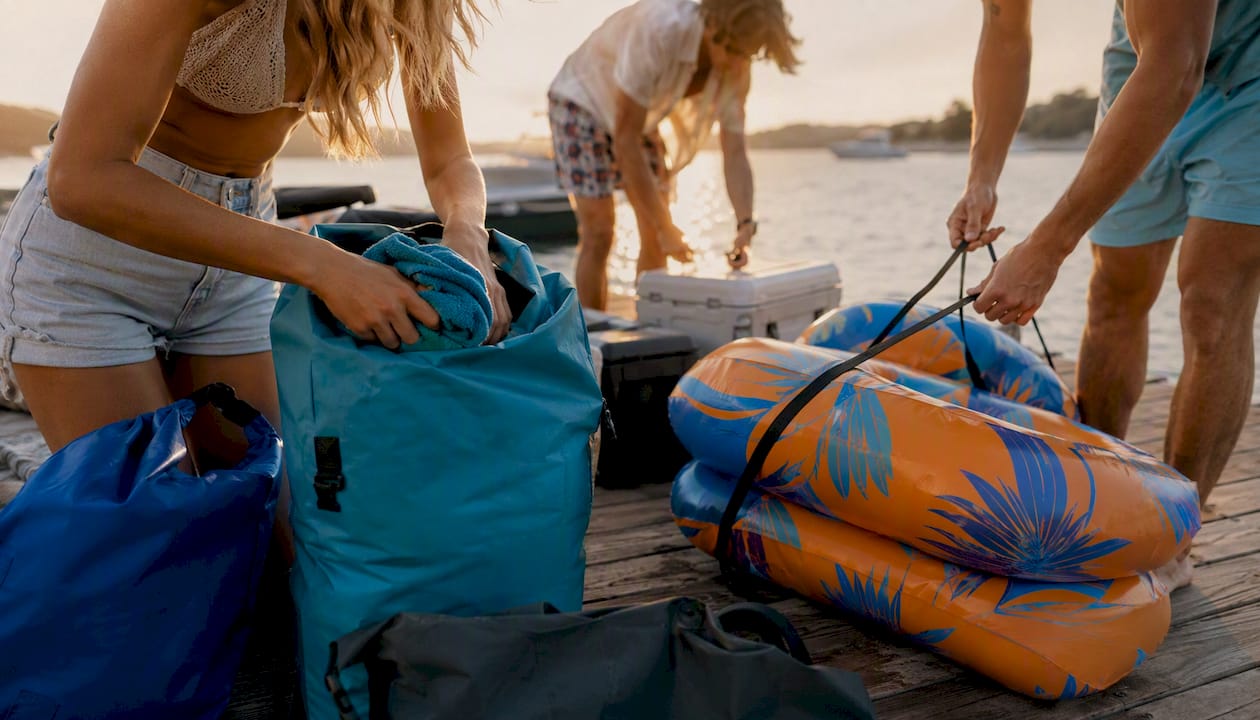
Glass containers are the biggest offender on almost every Crab Island packing guide, and for good reason. Glass breaks easily in sand and shallow water, and broken glass in a spot where hundreds of people are wading barefoot is a serious hazard. Fireworks and other pyrotechnics are a fire risk on a crowded boat and are generally prohibited outright. Drones can be restricted depending on airspace and boat traffic, so check before you pack one. Bulky lawn chairs might feel like a good idea, but most boats don’t have room for them, and setting one up on the sandbar itself can block the narrow paths other people use to wade in and out.
Glass bottles or containers of any kind
Fireworks or other pyrotechnics
Drones, unless you’ve confirmed it’s allowed
Full-size lawn chairs that block sandbar traffic
Expensive jewelry or valuables you can’t secure in a dry bag
If you can’t fit something in a sealed dry bag or a locked glove compartment, it’s probably safer left at the rental house or hotel room. Crowded, shallow water is not a forgiving place for anything you can’t afford to lose.
When Is the Best Time to Visit Crab Island?
Early morning and later afternoon are your best windows for a lighter crowd, since the midday stretch, roughly between 11 a.m. and 2 p.m., draws the heaviest boat traffic and the biggest concentration of people standing shoulder to shoulder on the sandbar. Tides shift the water depth over the sandbar throughout the day, which affects both how crowded it feels and how easy it is to wade comfortably.
Weather along this stretch of the Gulf Coast can turn quickly, especially in summer when afternoon sea breezes kick up and pop-up storms roll through with little warning. Packing a light cover-up or a compact waterproof layer means you’re not caught off guard if the sky changes on you. Understanding how weather affects Destin boat tours ahead of time helps you plan around the kind of afternoon squalls that are common on the Gulf in warmer months.
Aim for morning departures or late-afternoon slots to dodge peak crowds
Watch the forecast the morning of your trip, not just the night before
Pack a light rain layer even on a sunny forecast day
Bring a cover-up for the ride home if temperatures drop once you’re wet
What Safety Rules Should You Follow at Crab Island?
Boat traffic around Crab Island gets dense fast, and knowing how to move through it safely matters as much as anything you pack. When entering or exiting the water near the sandbar, watch for boats maneuvering into anchor position, since the shallow zone draws dozens of vessels within a tight space. Wear a life jacket if you’re not a strong swimmer, even if the water looks calm and shallow from the boat.
Leave No Trace principles apply here just as much as they do on a hiking trail. The National Park Service’s stewardship guidance for nearby coastal areas emphasizes packing out everything you bring in, which matters at a spot with no trash service floating between boats. Take your trash with you when you leave, and don’t count on someone else cleaning up after your group.
Stay alert for boats maneuvering near the sandbar’s edge
Wear a life jacket if you’re a weak swimmer, regardless of water depth
Pack out all trash, including cigarette butts and bottle caps
Use the buddy system, especially with kids or first-time visitors
Keep one phone in a dry bag as the designated emergency contact
Set a clear meeting point in case your group gets separated
What’s a Quick Printable Checklist for Crab Island?
Prioritized claim: skipping the dry bag is the single most common regret reported across Crab Island trip guides, ranking above sunscreen or towels in how often it ruins someone’s day.
Point | Details |
Sunscreen | Reef-safe, SPF 30 or higher, reapplied every two hours. |
Dry bag | Sized for phone, wallet, and keys; the top item people forget. |
Water | At least one liter per person for a four-hour trip. |
Footwear | Water shoes or strapped sandals, not loose flip-flops. |
Guided tour option | Crab-island-tours supplies floats, restroom access, and an experienced captain. |
Print this table or screenshot it before you leave. Bring one extra towel per two people if you’re traveling as a group, and size your dry bag to fit at minimum a phone, a wallet, and one set of car keys, roughly 5 to 10 liters for a family of four.
What Should You Do Before Boarding Your Crab Island Boat?
Arrive at least 20 to 30 minutes before your scheduled departure, since parking near Destin’s boat launches fills up fast, especially on weekends. Have your ticket ready on your phone or printed, so you’re not fumbling with confirmation emails while a line forms behind you. Once you’re aboard, ask the crew where to stow your cooler and pay attention to restroom etiquette if the boat has one on board, since space and access are limited for everyone.
Arrive 20 to 30 minutes early to account for parking
Have your ticket pulled up on your phone before you reach the dock
Ask the crew where cooler storage is before you settle in
Pack your dry bag in the order you’ll need things: sunscreen and phone on top, spare clothes at the bottom
A map pin for Crab Island’s location helps confirm exactly where the sandbar sits in the Destin waterway, which is useful if you’re coordinating a meetup with a rental boat or driving yourself to a launch point.
Pro Tip: Pack your dry bag in reverse order of when you’ll need things. Sunscreen and your phone go in last so they’re the first things out. Spare clothes and towels go in first, at the bottom, since you won’t touch them until the ride home.
How Does Booking a Guided Tour Change Your Packing List?
Booking with an outfit like Crab-island-tours cuts your packing list down considerably, since floats, snorkel gear, an onboard restroom, and an experienced captain are already part of the trip. That means you’re not hauling inflatables, worrying about anchoring the boat yourself, or navigating the shallow, boat-heavy water around the sandbar on your own. The captain handles all of that, which frees up your day to actually focus on the water instead of the logistics.
Guests still need to bring the personal items no operator can supply: sunscreen, your own towel, water, snacks, ID, and cash for anything you want to buy from vendor boats. BYOB is allowed, so groups bringing their own drinks and coolers should confirm space limits when booking.
Confirming what’s included before you show up, floats, restroom access, snorkel gear, and BYOB policy, removes almost every guessing game from your packing list and turns a complicated logistics problem into a short list of personal items.
Pro Tip: Double-check your booking confirmation email for a list of included gear before you pack. If something you assumed was included isn’t listed, a quick message to the operator clears it up faster than guessing.
A local note on why this list works
I’ve packed for enough family trips and group outings to Crab Island to know that the dry bag is the item people underestimate the most. On one trip, a friend’s phone went into the drink during a routine boat-to-sandbar transfer, the kind of splash that happens in about two seconds and ruins the rest of the afternoon. Everyone in that group who’d used a proper dry bag kept their phones dry; the ones who trusted a plastic sandwich bag didn’t. It’s a small habit, but it’s the difference between a great story and a ruined phone.
The other lesson that took a few trips to learn: guided outings simplify almost everything. When a captain handles the anchoring and the boat logistics, your only job is showing up with sunscreen and a good attitude.
A Simpler Way to Pack for Crab Island
Skipping half this list is possible if you book with Crab-island-tours instead of piecing together a private rental. Floats, an onboard restroom, and an experienced captain come standard, and BYOB means you still bring your own drinks without renting or coordinating a boat yourself. Families get comfortable seating for up to 31 passengers, a crew that handles the sandbar traffic, and a fixed, affordable price for a full four-hour outing, so there’s no guessing about what gear to buy or how to anchor safely near the crowds.
If a shorter packing list and a handled boating experience sound better than sourcing floats and a captain’s license, book your Crab Island tour and show up with just your sunscreen, towel, and swimsuit.
Sources
Recommended
Comments