.png)
Crab Island Hours: Arrive 1 to 3 Hours After High Tide in Destin

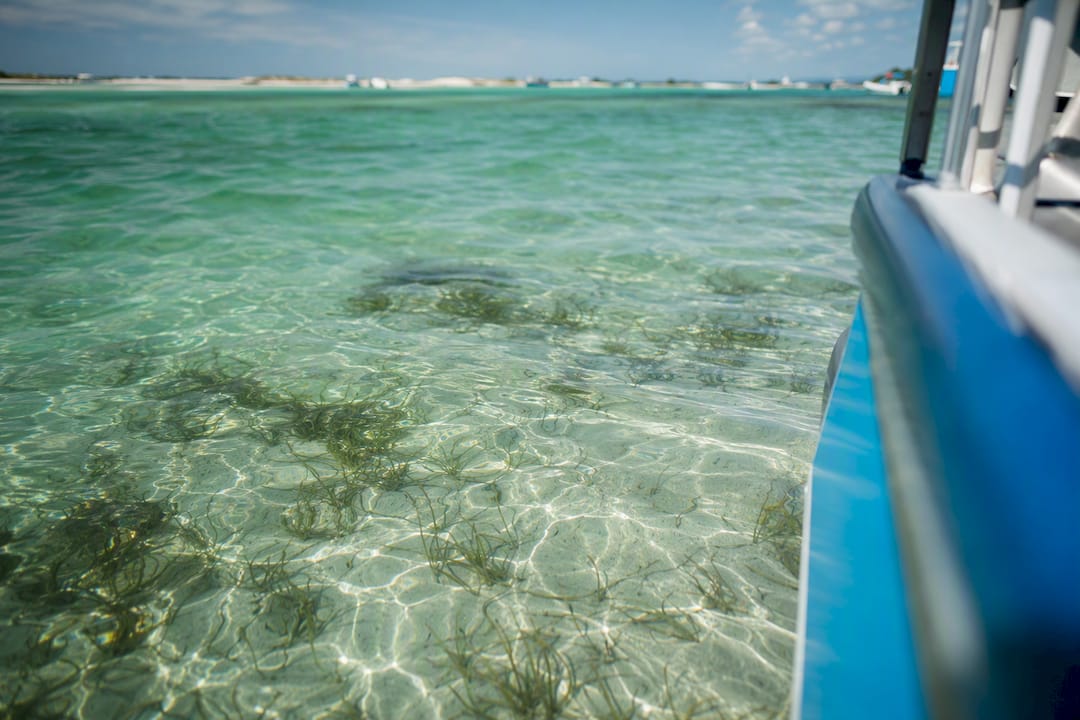
Crab Island never technically closes: it’s a public sandbar, and most local guides list it as accessible 24 hours a day. But that’s not the same as saying it’s “open for business” around the clock. If you want calm, clear water and working vendors, plan to arrive in the first one to three hours after high tide, typically mid-morning, since everything from floating vendors to boat rentals runs on daylight, not a posted schedule.
TL;DR:
Arriving within the first one to three hours after high tide, typically around 9 to 10 AM, ensures the clearest water and calmest conditions.
Vendors and water activities shut down at sunset, making nighttime visits risky and impractical, especially due to lack of lighting and safety patrols.
Peak crowds occur from May to August, with the busiest time between noon and 4 PM on summer weekends, while shoulder seasons offer more manageable numbers.
DIY trips require careful planning around tide times, parking, and launch logistics, while guided tours handle timing and safety, often departing in the morning.
The key to a successful Crab Island visit is prioritizing tide predictions over clock time, as water clarity and safety depend more on current tide levels than the hour of day.
Table of Contents
What “Open 24 Hours” Actually Means for Visitors
The sandbar itself is public land under Choctawhatchee Bay, so nobody locks a gate or turns off access after sunset. That’s why you’ll see it listed as open 24/7 on most visitor guides. But “open” only refers to physical access, not to the experience people actually come for.
Food boats, floating slides, jet ski rentals, and paddleboard vendors operate on daylight hours, usually starting mid-morning and wrapping up by late afternoon during peak season. Once the sun starts dropping, most of that activity disappears with it. Local visitor guides note that even though the sandbar is technically accessible around the clock, daytime visits are the only realistic way to experience what Crab Island is known for.
Here’s what that split between “open” and “active” means in practice:
No lighting exists on or around the sandbar, so navigating by boat after dark is genuinely risky.
Vendors close up shop, meaning no food, drinks, or rentals once the sun sets.
Lifeguards and safety patrols, limited even during the day, are essentially nonexistent at night.
Water clarity and footing become harder to judge without daylight.
Pro Tip: If you’re booking a tour or rental and the confirmation doesn’t mention a specific arrival time, call and ask. Reputable operators build their schedules around daylight and tide, not convenience, and a vague booking often means a vague experience.
When Is High Tide, and Why Does It Matter for Crab Island?
Water clarity at Crab Island swings hard between high and low tide, and that swing is the single biggest factor in whether your photos look like the postcard version or a murky letdown. At high tide, clean Gulf water pushes into Choctawhatchee Bay and covers the sandbar in that emerald green color everyone associates with Destin. At low tide, that water recedes, exposing bay grass and darker, sediment-heavy water underneath.
Local guides commonly note that high tide often lands around 9 to 10 AM, though this shifts throughout the month and season. The window you actually want is the first one to three hours after high tide hits, since that’s when the water is at its clearest and calmest before afternoon boat traffic and wind start stirring things up.
Here’s how to plan around it instead of guessing:
Pull up NOAA tide predictions for station 8729511, the local reference point for the Destin area.
Note the high tide time for your visit date. This changes daily, so don’t rely on a rule of thumb from a trip you took two years ago.
Plan your launch or tour booking so you arrive at the sandbar within that first hour or two after high tide.
Build in a buffer for boat launch traffic or rental pickup delays, especially in summer.
High tide typically arrives near 9 to 10 AM in this stretch of the Gulf Coast, which is why so many local operators cluster their morning departures around that window.
When Are the Busiest Crowds and Slowest Seasons?
Crab Island runs on a fairly predictable seasonal rhythm. Peak season stretches from roughly March or April through mid to late October, with the heaviest crowds packed into May through August. Outside that window, especially in winter, the sandbar is quieter and some vendors scale back or close entirely.
Within any given week, weekends draw far bigger crowds than weekdays, and summer weekends are the most crowded stretch of the entire calendar. Local operators identify the busiest hours as roughly noon to 4 PM, when boat traffic peaks and the sandbar fills with rafts, coolers, and floating speakers.
If you’re trying to match your visit style to the right timing, consider this breakdown:
Photographers and anyone chasing calm water should aim for weekday mornings right after high tide, before boat wakes churn things up.
Families with young kids tend to do best arriving mid-morning on a weekday, avoiding both the afternoon crowd surge and the harsher midday sun.
Party groups and larger crews who want the full floating-bar energy should target a summer Saturday around midday, when the crowd and music are at full volume.
Shoulder-season weekdays, especially in April, May, September, and October, tend to offer the best mix of warm weather and manageable crowds.
How Do You Actually Get to Crab Island?
There’s no dock, no road, and no walk-in entrance. Every visitor arrives by water, which means your transportation choice shapes your entire timing strategy.
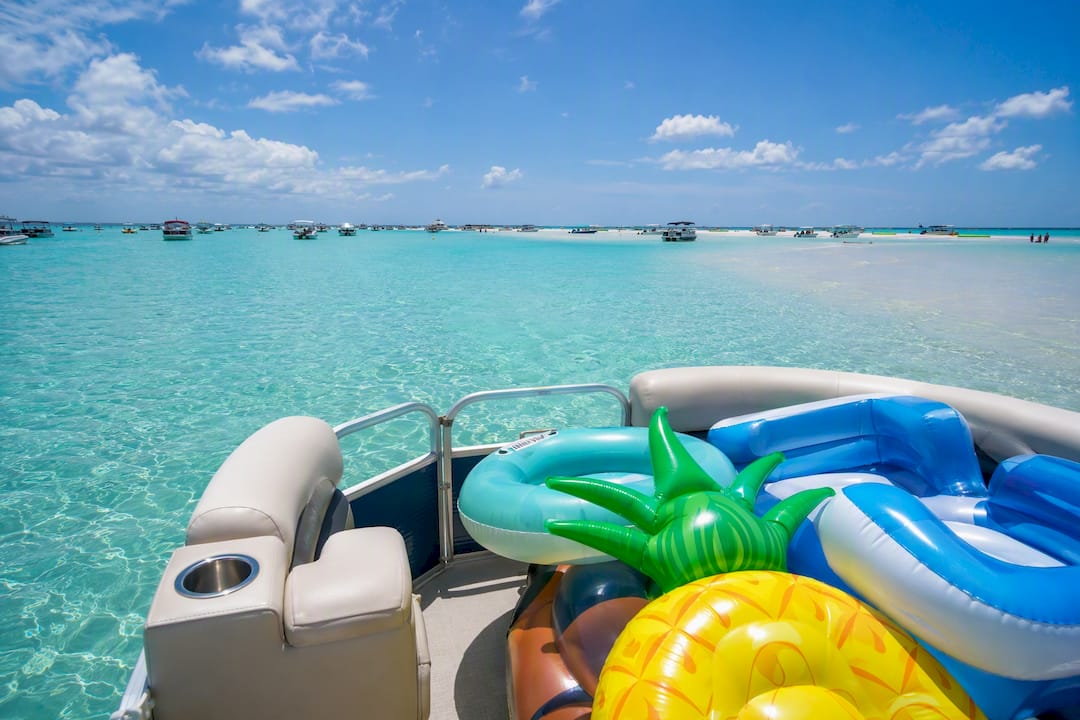
Private boat or pontoon rental gives you the most control. You pick your own launch time, which means you can time your arrival precisely around high tide instead of working around someone else’s schedule. The tradeoff is handling launch logistics yourself, including trailer parking, fuel, and navigation if you’ve never driven the bay before.
Shuttle and guided tour services remove that logistics burden entirely. Most schedule morning departures specifically because it aligns with typical high-tide windows and gives the whole trip a full day of usable daylight, as seen in popular Boat Tours - Croatia Private Transfers & Tours. FareHarbor booking data from local operators shows most scheduled trips clustering in the morning and early afternoon for exactly this reason.
Jet skis and captain-for-hire options work well for smaller groups or anyone who wants speed and flexibility without managing a full-size boat.
Before you head out, run through this quick checklist:
Confirm your launch location and expected drive time to it.
Build in at least a 30-minute buffer before your target arrival window.
Check parking availability at the marina or launch point, especially in summer.
Book rentals or tours at least a few days ahead during peak season, since morning slots fill first.
Pro Tip: If you’re renting your own boat for the first time, add an extra hour to your planned departure. First-time launches almost always take longer than expected, and that hour can be the difference between hitting high tide or missing it entirely.
What Does a Crab Island Trip Actually Cost?
Getting to the sandbar itself costs nothing if you already own a boat or have a way to launch one. Crab Island is public water, and there’s no entry fee, no gate, and no reservation required just to anchor and swim.
Where the cost comes in is transportation and gear. Pontoon and jet ski rentals, along with guided tours, vary in price depending on group size, duration, and season, and rates shift enough from operator to operator that it’s worth confirming current pricing directly before you book. Some local rental operators also post seasonal hour changes, often shifting between roughly 8 AM and 6 or 7 PM depending on time of year, so checking current hours before you plan matters.
A few practical notes worth knowing:
Most tours and rentals allow BYOB, but few sell alcohol onsite, so bring your own.
Floating food and drink vendors typically accept cash and card, though card readers can be spotty on the water.
Confirm whether gratuity for a captain or crew is included or expected separately.
Why Nighttime Visits Almost Never Work Out
Once the sun goes down, Crab Island stops being a destination and starts being a genuine hazard. There’s no lighting on the sandbar or the surrounding water, which makes it dangerously easy to misjudge depth, drift, or the location of other boats.
Vendors and water attractions shut down at dusk, and most guided tours and rental operators wrap up by late afternoon for the same safety reasons. Navigating an unfamiliar bay in the dark, without channel markers lit up the way they are on a major waterway, is a real risk even for experienced boaters.
If you find yourself needing to arrive or leave near dusk, keep this short checklist in mind:
Carry a working flashlight or headlamp on board, even if you don’t plan to need it.
Confirm your exit route before the light fades, not after.
Check the Choctawhatchee Bay forecast for wind changes, which tend to pick up in early evening.
Never assume another boater can see you without proper running lights.
Pro Tip: If your afternoon plans run long, treat 30 minutes before sunset as your hard deadline to start heading back, not the moment the sun actually touches the horizon.
How Guided Tours Handle the Timing for You
Affordable Crab Island Tours built its schedule around exactly the timing problems covered above. The 4-hour guided tours launch with departure windows designed to land visitors on the sandbar during daylight and favorable tide conditions, so you’re not guessing at NOAA charts or racing the clock to beat sunset.
Every trip includes an experienced captain who handles navigation and timing, floats and snorkel gear for the water, and an onboard restroom, a detail that matters more than people expect once they’re several hours into a hot afternoon on the water. The boats seat up to 31 passengers and allow BYOB, so groups and families can bring their own coolers without hunting for a floating vendor.
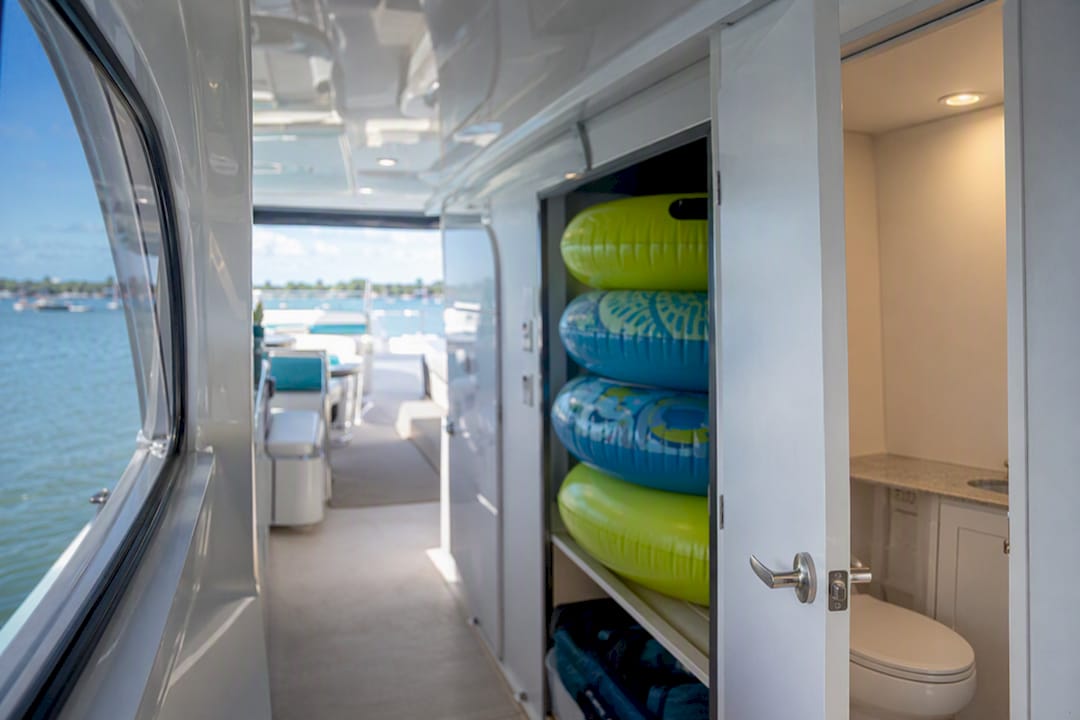
For visitors who’ve read through everything above and thought, “that’s a lot to coordinate,” this is the version where someone else handles the tide charts, the launch logistics, and the exit timing, while you just show up.
The Real Lesson on Timing Isn’t About Hours, It’s About Tides
Most articles on this topic get hung up on whether Crab Island has a closing time. It doesn’t, and that’s almost beside the point. The number that actually matters isn’t a clock time, it’s the tide table for your specific visit date, and too many visitors show up without ever checking it.
The conventional advice to “just go in the morning” is fine but incomplete. Morning only works because high tide often happens to fall there. On days when the tide shifts later, a rigid 9 AM arrival can put you on the sandbar during a low-tide lull with murky water and exposed grass flats. Check the actual tide chart for your date before locking in a departure time.
If you’re not confident reading tide charts or coordinating boat logistics on your own, a scheduled tour solves that problem by design rather than luck. Either way, prioritize the tide first, the crowd level second, and the rest tends to fall into place.
— Troy
Sources
Recommended
Comments