.png)
Beat Crab Island Crowds in Destin: Go Weekday Mornings 9–11 AM

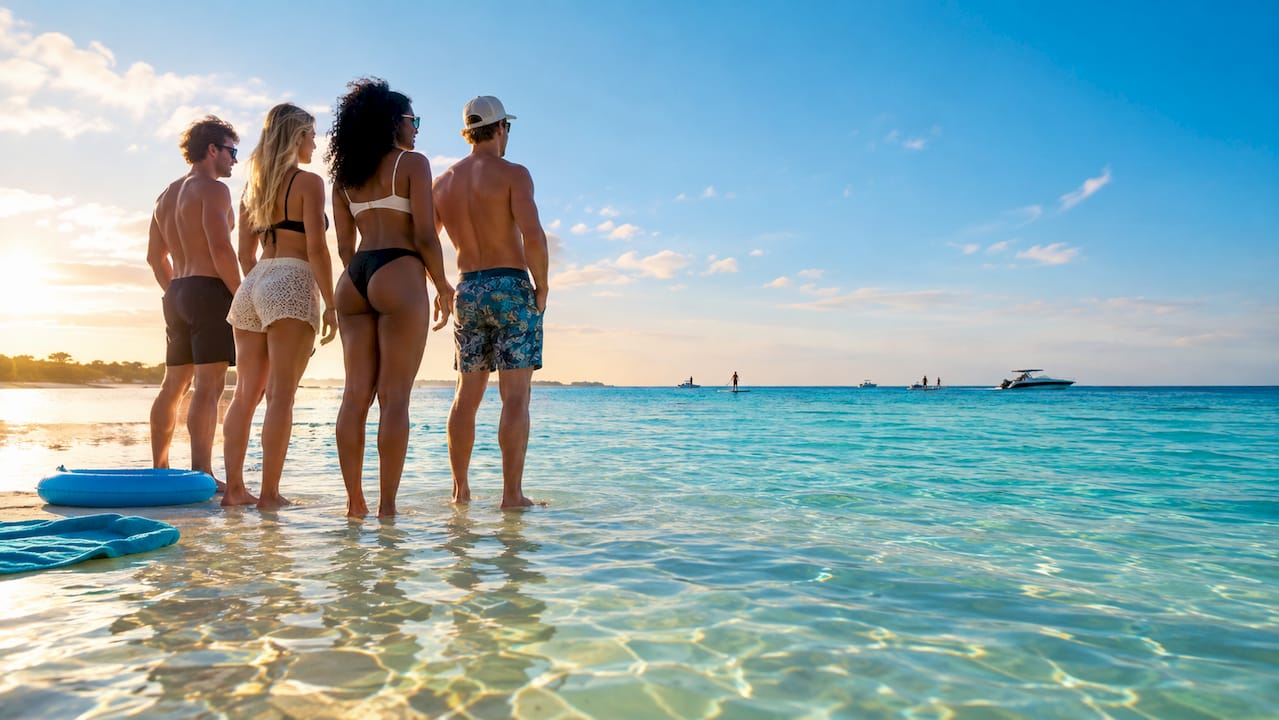
The single best way to dodge Crab Island crowds is a weekday morning visit between 9 and 11 AM during shoulder months like May or September. Check the tide chart and a live cam before you leave the house, and if you’d rather skip the anchoring scramble entirely, a guided tour through an operator like Crab-island-tours puts someone else in charge of timing and logistics.
TL;DR:
Visiting Crab Island early in the morning between 9 and 11 AM on weekdays during shoulder months offers significantly lighter crowds and better anchoring spots.
Summer weekends, especially Memorial Day, July 4th, and Labor Day, are the busiest, with peak crowds arriving around noon and staying through late afternoon.
Checking live harbor cams and operator updates before leaving can help determine crowd levels and weather conditions, avoiding peak times.
Booking a guided tour or advance reservations reduces logistical stress, especially on busy days with high crowd volumes and limited parking.
The total cost depends on transportation method, with no entrance fee for the sandbar itself, but vehicle parking and tour packages can add to expenses.
Table of Contents
When Is Crab Island the Most Crowded?
Peak season runs from Memorial Day weekend through Labor Day, and the heaviest crowds show up on warm, sunny Saturdays when boats stack up side by side across the sandbar. By summer months, you’ll see a floating traffic jam of pontoons, party barges, and jet skis, all jockeying for the shallow water close to shore.
Certain dates are predictably worse than a typical summer Saturday. Plan around these if you can:
Memorial Day weekend (late May): the unofficial kickoff to Crab Island’s busy season
July 4th week: often the single busiest stretch of the year, with fireworks crowds spilling onto the water
Labor Day weekend (early September): a last surge before crowds thin out
Any weekend with a boat parade, fishing tournament, or local festival: check the Destin events calendar before booking
Weather plays its own role. A string of sunny, low-wind days pulls more boats out than a forecast with scattered storms, since captains would rather not anchor a family of six in choppy water. Weekends generally draw locals and tourists alike, with weekday crowds also sometimes heavy during peak season, since summer vacation schedules don’t follow a Monday-through-Friday calendar the way the rest of the year does.
What’s the Best Time of Day to Beat the Crowds?
Arriving early beats arriving late, almost every time. Here’s the breakdown that actually works:
9 to 11 AM is the sweet spot. Boat traffic is noticeably lighter than afternoon hours, and you’ll have your pick of anchoring spots close to the shallow sandbar.
Midday (noon to 4 PM) is when the crowd peaks. Boats that left the harbor mid-morning are fully anchored by now, vendors are circling, and the water near the sandbar gets crowded with swimmers.
Late afternoon (after 5 PM) thins out again as day-trippers head back to dock before dark, though the window for a full swim day gets short.
Getting there early isn’t just about elbow room. The first boats to arrive claim the best anchoring spots in shallow water, and everyone who shows up after noon ends up anchoring farther out or squeezing into gaps. Tide timing matters just as much as the clock. Arriving within an hour of high tide tends to improve water clarity and gives you a more comfortable spot to wade or float, since low tide can expose sandbars that push boats and swimmers closer together than anyone wants.
How Do You Check Crowd Levels Before You Leave?
You don’t have to guess. Several free tools tell you what Crab Island looks like right now, before you’ve packed a single cooler.
Live harbor cams are the most useful last-minute check available. Viewing a live cam feed between 9 AM and noon shows you whether the sandbar is already filling in or whether there’s still room to anchor comfortably.
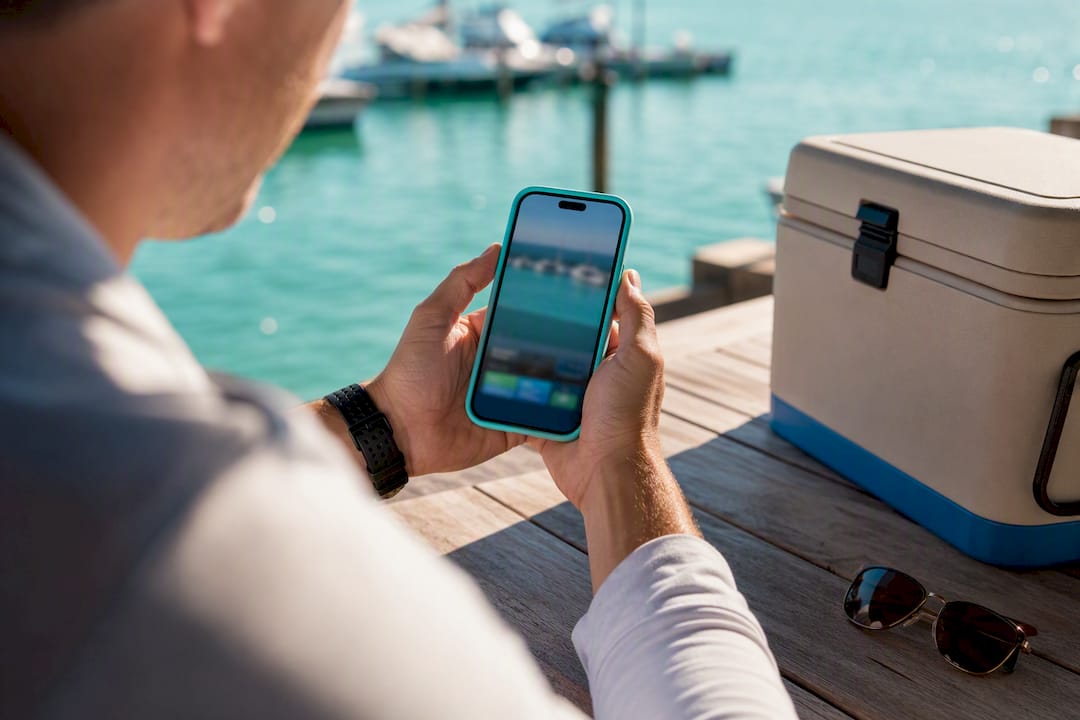
Pro Tip: Pull up a live cam on your phone while you’re still eating breakfast. If you see boats already anchored three or four rows deep by 9:30 AM, that’s your sign to either head out immediately or shift your plans to late afternoon.
Beyond the cams, a few other checks help round out the picture:
Operator status pages: many local charter and tour companies post same-day updates about conditions and availability
Local Facebook groups and Destin subreddits: visitors often post real-time crowd reports, especially on holiday weekends
Weather and marine forecasts: wind speed and wave height affect how many boats venture out that day
When you’re scanning a live feed, look for three things: how tightly boats are clustered near the shallow water, whether vendor boats are actively circling (a sign of a busy, high-traffic day), and how much open water remains between anchored groups. Recent visitor posts on forums like Reddit’s Destin community consistently point to weekend afternoons as the most packed stretch, even outside of peak summer months.
How Should You Plan a Trip to Avoid the Rush?
Good planning starts well before you ever leave the hotel room. A few decisions made in advance save you from standing on a dock at 10 AM wondering why every rental boat is gone.
Book ahead of time. Walking up same day during peak season means you’re stuck with whatever slot is left, often a crowded midday window you were trying to avoid.
Sort out parking or rideshare before you drive over. Harbor parking fills up fast in season, and a rideshare drop-off timed to your check-in can save you from circling for a spot while your tour departs without you.
Pack light but smart. Bring shade, water, sunscreen, a way to float, and a photo ID if you’re renting anything. Fewer trips back to the car means more time actually enjoying the water.
Consider a guided tour if boat logistics stress you out. A guided per-ticket tour bundles the captain, safety gear, and scheduled departure, so you’re not the one responsible for fuel, navigation, or finding a place to anchor.
Coordinating a rideshare pickup timed to your operator’s check-in window often beats hunting for harbor parking outright, especially on a Saturday in July when every lot nearby is full by mid-morning. If you want more detail on what to pack and how a typical outing flows, the Crab Island sandbar visit guide walks through a full day trip start to finish.
What Does Crab Island Feel Like in Each Season?
The sandbar changes personality depending on when you show up, and picking the right season is really picking the right mood.
Spring (March through May): Water is warming up, crowds are still moderate, and weekdays in particular feel almost calm compared to what’s coming in June.
Summer (June through August): This is peak energy. Music plays from multiple boats, vendors sell everything from tacos to inflatable flamingos, and the water is warm enough for all-day swimming. It’s also when Crab Island tourist crowds hit their yearly high.
Fall (September through early November): Often the best trade-off on the calendar. Water stays warm well into September, but the Labor Day surge has passed and crowds thin out noticeably.
Winter (December through February): Quiet and cool. Water temperatures drop enough that swimming isn’t the draw, but it’s a genuinely good window for photography, dolphin sightings, and having long stretches of open water almost to yourself.
If you’re chasing warm water without the July crowd, September is hard to beat.
How Much Does It Cost to Get to Crab Island?
There’s no entrance fee. Crab Island itself is a free public sandbar, so every dollar you spend goes toward getting there and staying comfortable once you arrive.
Costs break down a few different ways depending on how you approach the trip:
DIY pontoon rental: you pay for the boat, fuel, and often a deposit, plus you’re responsible for navigation and anchoring
Private boat charter: higher cost, but you get a captain and don’t have to drive the boat yourself
Guided per-ticket tour: a flat price per person that typically bundles the captain, floats, and restroom access, with no fuel or navigation responsibility on your end
Parking and rideshare: often the overlooked cost, since harbor lots fill fast in season and a rideshare trip can be cheaper than a lost afternoon circling for a spot
DIY rentals give you the most flexibility if you’re comfortable handling a boat, but they also put the entire logistics burden, fuel included, on you. A per-ticket tour trades some of that flexibility for a fixed price and zero boat responsibilities, which matters most on a day when you’d rather be watching your kids than watching the fuel gauge.
A Local Operator’s View on Crowds and Planning
Most visitors are surprised by how fast the sandbar fills once the first wave of boats arrives, usually by mid-morning on a summer weekend. The mistake I see most often is treating Crab Island like a spontaneous stop instead of a trip that benefits from a little planning. Checking a live cam before you leave, picking a weekday, or just booking a guided slot ahead of time changes the entire experience from crowded scramble to relaxed float. None of this is complicated. It just takes deciding on a plan before you’re already standing on the dock.
— Troy
Skip the Boat Logistics With a Guided Crab Island Tour
A guided Crab Island tour offers an alternative to renting your own boat or booking a private charter. Instead of juggling fuel, navigation, and where to anchor, you show up and many logistics are handled, including floats, onboard restroom access, an experienced captain, and comfortable seating with BYOB allowed for the adults in your group.
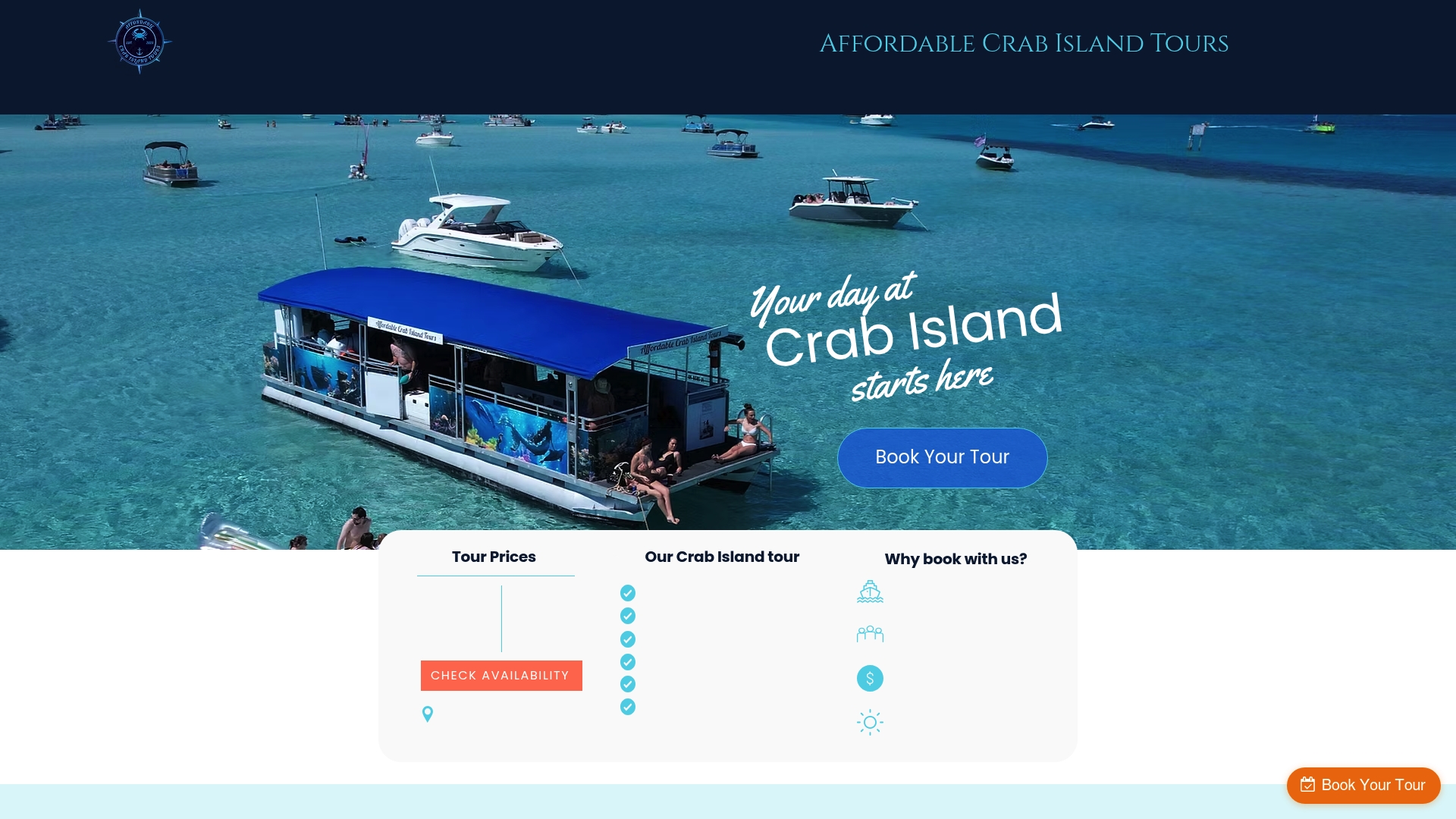
That setup solves the exact problem this guide keeps circling back to. You’re not fighting for parking at the last minute or hoping you picked the right anchoring spot before the crowd rolls in. Your four-hour outing runs on a set schedule, so you know when you’re leaving the dock and when you’re back. If you’re planning a family outing or a group trip and want the crowd stress handled for you, check available tour times and get your group booked before your travel dates fill up.
Real-Time Resources to Check Before You Go
A few live resources are worth bookmarking before your trip:
Live harbor cams: several resort-mounted cameras point toward the sandbar and update throughout the day, giving you a direct look at how packed things are before you leave for the harbor
Tide charts: knowing the high tide window helps you time a visit for better water clarity and easier anchoring
Marine weather forecasts: wind and wave conditions affect both crowd size and how comfortable the water feels
Operator status updates: many tour and charter companies post same-day notes about availability and conditions
Sources
FAQ
What’s the best time of day to visit Crab Island?
Weekday mornings between 9 and 11 AM offer the lightest boat traffic and the best chance to anchor close to the sandbar before midday crowds build.
Is Crab Island worth the money?
There’s no entrance fee for the sandbar itself, so your cost goes toward transportation. A guided tour or boat rental is generally worth it for the swimming, floating, and social atmosphere you can’t get anywhere else in Destin.
Is it crowded in Destin, Florida right now?
Crowd levels shift by season and day of the week. Summer weekends and major holiday weekends bring the busiest crowds at Crab Island, while weekday mornings in spring and fall tend to stay noticeably quieter.
How much does it cost to get to Crab Island?
There’s no fee to visit the sandbar, but costs come from getting there: DIY pontoon rentals, private charters, guided per-ticket tours, and parking or rideshare fees on the harbor side.
What month has the fewest crowds at Crab Island?
Late spring and early fall usually provide a balance of warm water and thinner crowds compared with midsummer.
Recommended
Comments