.png)
1–2 Hour High Tide Window Makes May and September Best for Crab Island

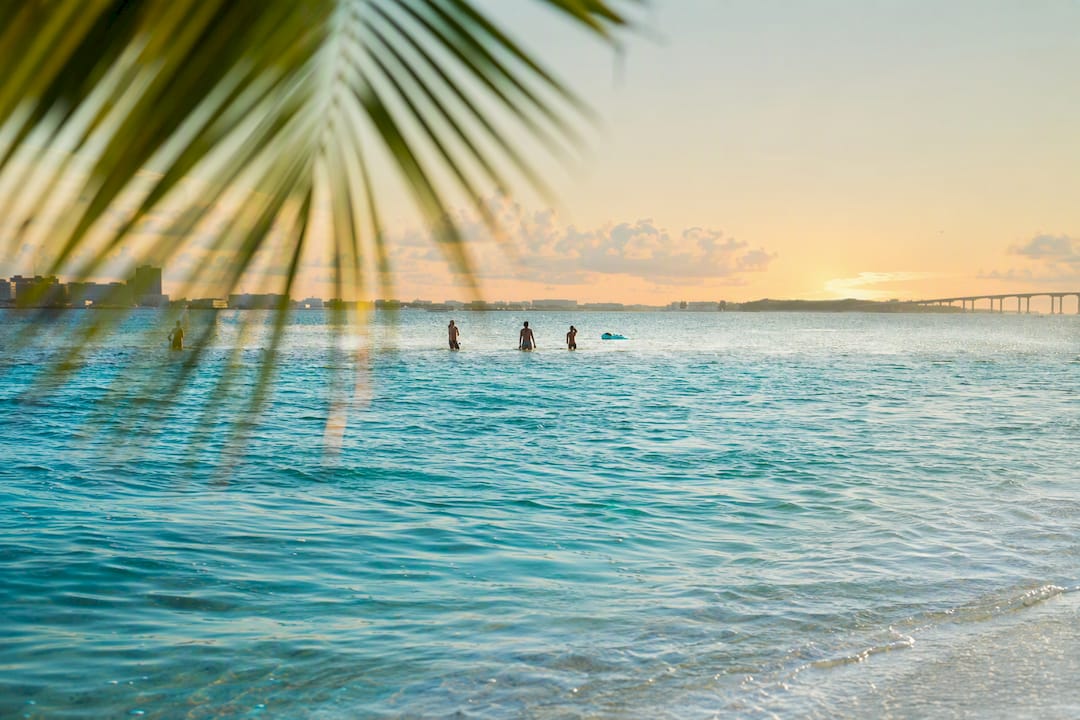
The best time for Crab Island is late April through May or September into early October, arriving within about an hour or two of high tide, ideally on a weekday morning. That combination gives you warm, clear Gulf water and enough room to actually enjoy it. Summer brings the most energy and the thickest crowds; winter brings solitude but cold water, so your pick depends on what kind of day you want.
TL;DR:
Visiting Crab Island during late April to May or September to early October offers the best combination of warm water, good visibility, and fewer crowds, especially on weekdays.
Arriving around one to two hours before high tide and staying through high tide ensures optimal depth and water clarity for wading, snorkeling, and sightseeing activities.
Mornings, particularly between 9:00 and 11:00 AM on weekdays, provide calmer waters and less crowded conditions, making for a more enjoyable experience.
Summer months are crowded, hot, and storm-prone, while winter offers solitude but cold water, making shoulder seasons the most favorable for a balanced experience.
Booking guided tours simplifies timing by handling tide, safety, and anchoring, with trips typically lasting four hours and including gear, restrooms, and seating for groups up to 31.
Table of Contents
Why Shoulder Months Beat Peak Summer for Crab Island
Late April and May sit in a sweet spot. Air temperatures climb into warm, comfortable levels, water is pleasantly warm but not hot, and the sandbar hasn’t yet filled with the Memorial Day rush. Visibility tends to be sharp because winter’s rougher water has settled and algae blooms haven’t kicked in yet.
September into early October is arguably the better-kept secret. Water temperatures are warm and often warmer than in May, while boat traffic drops off sharply once school starts back up. The catch is hurricane season, which runs through late fall in the Gulf, so you’ll want to watch the forecast rather than book blind.
Summer, meaning Memorial Day through Labor Day, is when Crab Island turns into the floating party it’s known for. Water is at its warmest, the sandbar is busy with boats, music, and inflatables, and afternoon thunderstorms are common. It’s the right call if you want the full spectacle and don’t mind sharing the sandbar with a few hundred other boats.
Winter is the opposite extreme. Air and water temperatures drop enough that swimming loses its appeal for most visitors, and boat traffic thins to almost nothing.
Late April–May: warm air, warm water, low crowds, strong visibility
September–early October: warm water, thin crowds, watch storm forecasts
Summer (Memorial Day–Labor Day): peak warmth, peak crowds, daily storm risk
Winter: cool water, near-empty sandbar, best for scenery over swimming
How Tides Change the Sandbar Experience
Crab Island isn’t a fixed sandbar so much as a shifting shallow flat, and the tide decides how deep and how clear it feels on any given visit. High tide brings clearer, deeper Gulf water onto the sandbar, which means better footing for wading and better visibility for anyone snorkeling or just admiring the color of the water.
The practical rule operators repeat constantly: time your arrival around the tide, not the clock.
Check the tide chart the night before and note the exact high-tide time for your visit date.
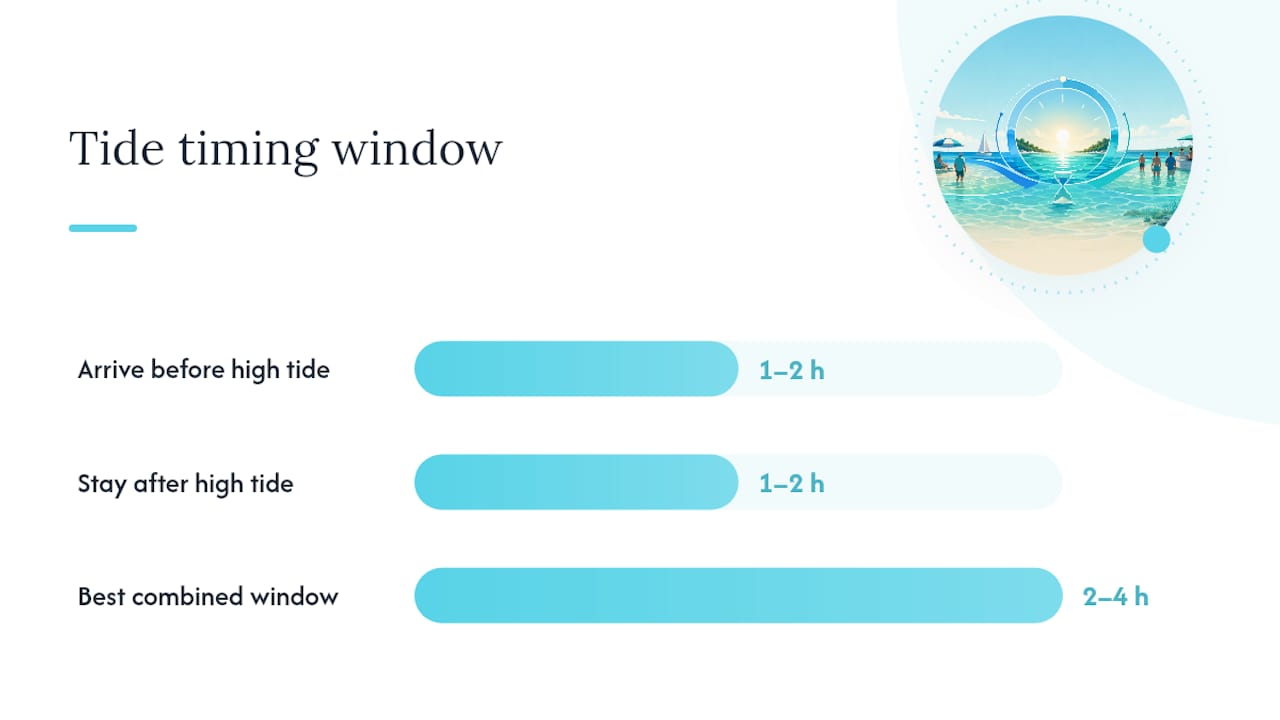
Arrive roughly 1 to 2 hours before high tide, so you’re settled in before the water peaks.
Plan to stay through about 1 to 2 hours after high tide for the best combined window of depth and clarity.
As the tide falls past that window, expect shallower water, exposed sand patches, and murkier visibility near the edges.
Low tide isn’t just less pretty, it changes how you anchor. Depths that felt comfortable at high tide can leave your boat sitting in a few feet of water, or stranded near a sandbar that wasn’t visible an hour earlier. Local tide charts, available through NOAA’s tide prediction tools or any Destin-area marine forecast site, are worth bookmarking before you leave the dock.
Pro Tip: Screenshot the tide chart before you launch. Cell service near Crab Island can be spotty, and you don’t want to be guessing about your return window once you’re anchored.
What Time of Day and Which Days Work Best
Mornings win, and it isn’t close. Between about 9:00 and 11:00 AM, the water is calmer, boat wakes haven’t built up yet, and the light makes the water look genuinely turquoise instead of churned and cloudy. That window also lines up well with avoiding the afternoon thunderstorms that build over the Gulf almost every summer day.
Weekday mornings, especially Tuesday through Thursday, consistently offer calmer water and noticeably more room than weekends, when the sandbar fills in by late morning and stays packed until sunset.
If a weekend is your only option, a few adjustments help:
Arrive as close to opening hours as you can manage, ideally before 10:00 AM.
Book a guided tour rather than a rental, since crews already know where to anchor before the crowd arrives.
If you want the party atmosphere and don’t mind more boat traffic, late afternoon has better light for photos but noticeably choppier water from boat wakes.
Crab Island Month-by-Month Snapshot
Every month at Crab Island has a different personality. Here’s the quick version if you already know what you’re optimizing for, whether that’s warm water, low crowds, or clear photos.
January: Cold water, near-empty sandbar, best for a scenic boat ride rather than swimming.
February: Similar to January; occasional warm spells but water still too cold for most.
March: Air warms up, water still chilly; light crowds start returning on weekends.
April: Comfortable air temps, water warming fast; late April starts the shoulder-season sweet spot.
May: Recommended month. Mid-70s °F water, low crowds, strong visibility.
June: Warm water, crowds building fast as school lets out; afternoon storms become routine.
July: Peak heat and peak crowds; hurricane season is underway, so track forecasts.
August: Warmest water of the year, heaviest crowds, high storm-watch month.
September: Recommended month. Low-80s °F water, crowds thin out fast, but still hurricane season.
October (early): Still warm and often clear, though hurricane risk lingers into the month.
November: Water cooling quickly, crowds gone, pleasant for a quiet boat trip.
December: Coldest water outside of deep winter, minimal boat traffic.
If clear water and elbow room matter more than anything else, May and September are your two best bets. If you’re chasing warmth above all, August wins on temperature but costs you in crowds and storm risk.
Packing Smart and Staying Safe at the Sandbar
A few overlooked items make a bigger difference than people expect. Sun protection matters more here than almost anywhere else in Destin, since you’re standing in reflective shallow water for hours with zero shade unless you bring your own.
Pack reef-safe sunscreen, a hat, and a shade canopy or umbrella if your boat doesn’t have one built in.
Bring more water than you think you need. Standing in the sun for four hours dehydrates faster than most people expect.
Pack a flotation device for every non-swimmer in your group, regardless of how shallow the water looks at high tide.
Bring water shoes. The sandbar’s bottom shifts and can hide sharp shells or debris.
Carry a trash bag and pack out everything you bring in.
On anchoring, arrive early if you want a good spot. Experienced visitors often arrive before 10:00 AM specifically to claim visible, shallow anchoring space before the midday crowd fills in around them. Keep your anchor line taut and clear of neighboring boats, and never anchor across a channel where other boats need to pass.
Pro Tip: Watch the radar, not just the sky. Gulf storms can build fast and unseen from a distance, and getting caught on an open sandbar during a lightning storm is genuinely dangerous.
What Local Crews Notice About Timing
Crews who run Crab Island trips regularly notice the same pattern day after day: morning departures beat afternoon ones almost every time, both for water conditions and for avoiding the storm buildup that becomes routine by early afternoon in warmer months.
Booking a guided tour removes the guesswork entirely. You don’t have to read a tide chart, time your departure, or figure out where to anchor once you get there. A crew that runs this route regularly already knows which mornings and which tide windows tend to deliver the clearest water, and they build the schedule around that.
Quick Guide: Matching Your Timing to Your Trip
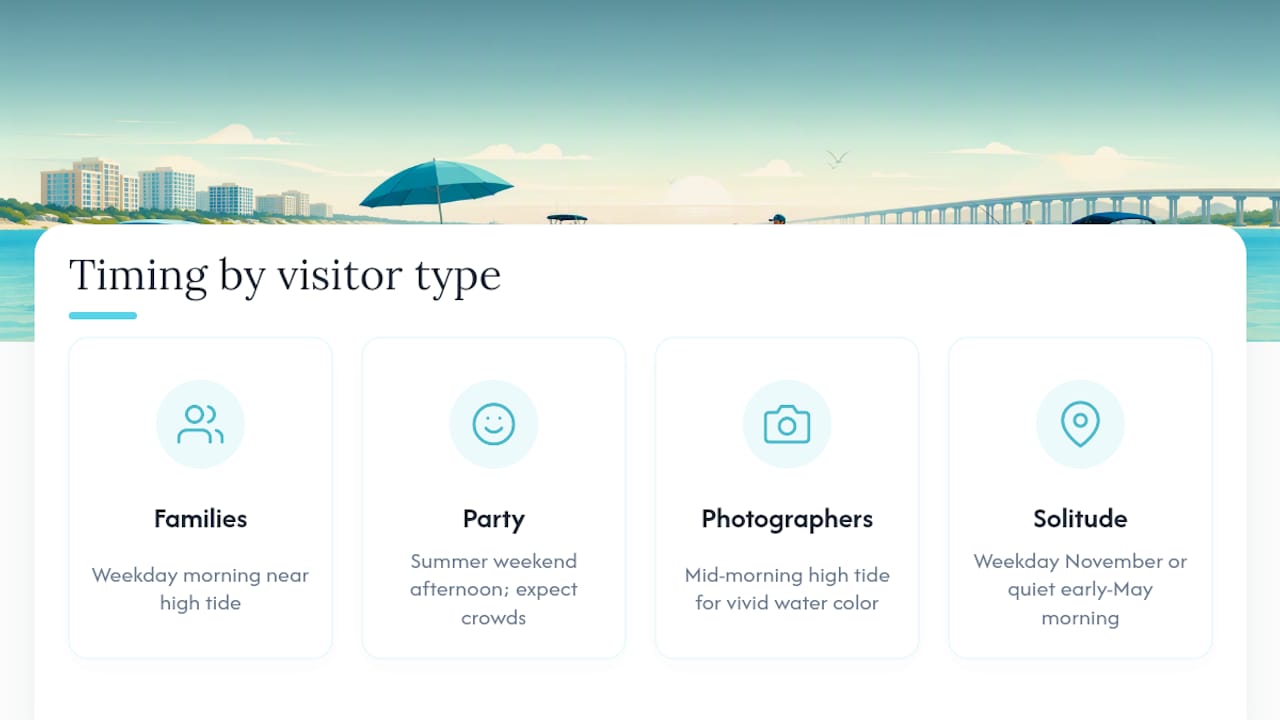
Families with young kids do best on a weekday morning near high tide, when the water is calmer and easier to supervise. Groups chasing the party scene should target a summer weekend afternoon, accepting the crowd as part of the deal. Photographers get the best shot at vivid water color during mid-morning high tide, before wind and wakes churn things up. Anyone craving solitude should aim for a weekday in November or a quiet morning in early May.
Book a Guided Tour and Skip the Timing Guesswork
Getting the timing right on your own means checking tide charts, watching the forecast, prepping a boat, and hoping you picked the right morning. Crab-island-tours handles all of that for you, so the only decision left is which date works for your trip.
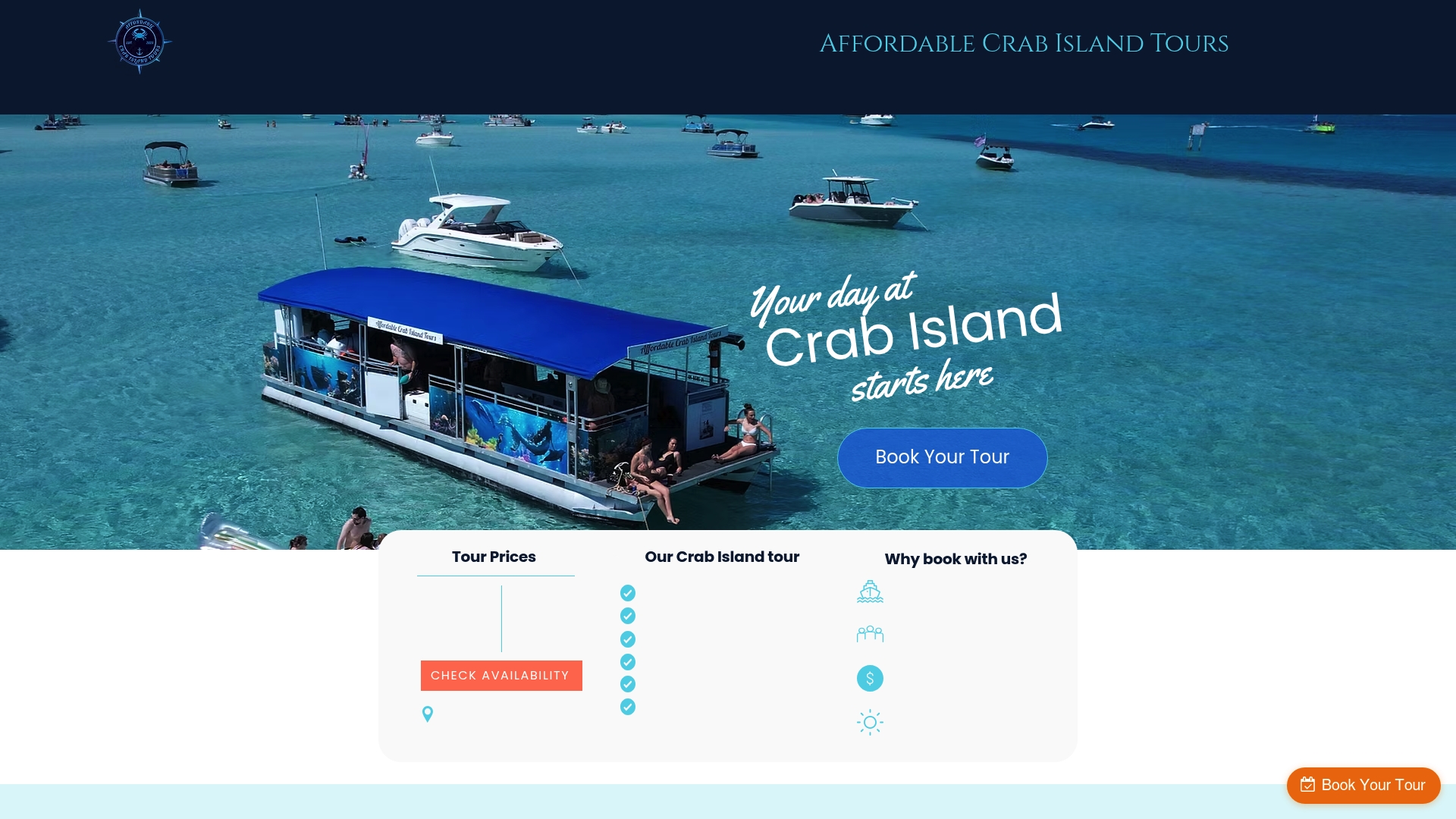
Every trip runs as a 4-hour outing with an experienced captain who already knows the best anchoring windows relative to the tide. Floats and snorkel gear come included, there’s a restroom on board, and seating comfortably fits groups up to 31 passengers, with BYOB welcome for the adults in your group. You show up, and the crew handles the rest, including picking a window that lines up with the clear-water conditions this guide describes.
If you want the shoulder-season, high-tide, weekday-morning experience without doing any of the planning yourself, book your Crab Island tour and pick a date that fits your trip. You can also check the sandbar visit guide for more background before you lock in your dates.
Sources
FAQ
What Time of Day Is Best to Visit Crab Island?
Mid-morning, roughly 9:00 to 11:00 AM, gives you the calmest water and the clearest visibility before wind and boat traffic pick up.
Is Crab Island Worth the Money?
For most visitors, yes. The sandbar itself is free public water, and a guided tour like Crab-island-tours simply covers the boat, crew, floats, and logistics that make the outing stress-free.
How Much Does It Cost to Get Into Crab Island?
There’s no entry fee for Crab Island itself since it’s open Gulf water, but you need a boat to reach it, which is why most visitors book a tour or rental rather than trying to swim out.
What Time Is the Water the Clearest at Crab Island?
Water is clearest during the incoming tide, roughly 1 to 2 hours before high tide through 1 to 2 hours after, especially on calm weekday mornings.
When Is the Best Month to Visit Crab Island?
May and September consistently offer the best mix of warm water, strong visibility, and lighter crowds compared to the packed summer months.
Recommended
Comments