.png)
Why Sea Creatures Are Spotted at Crab Island

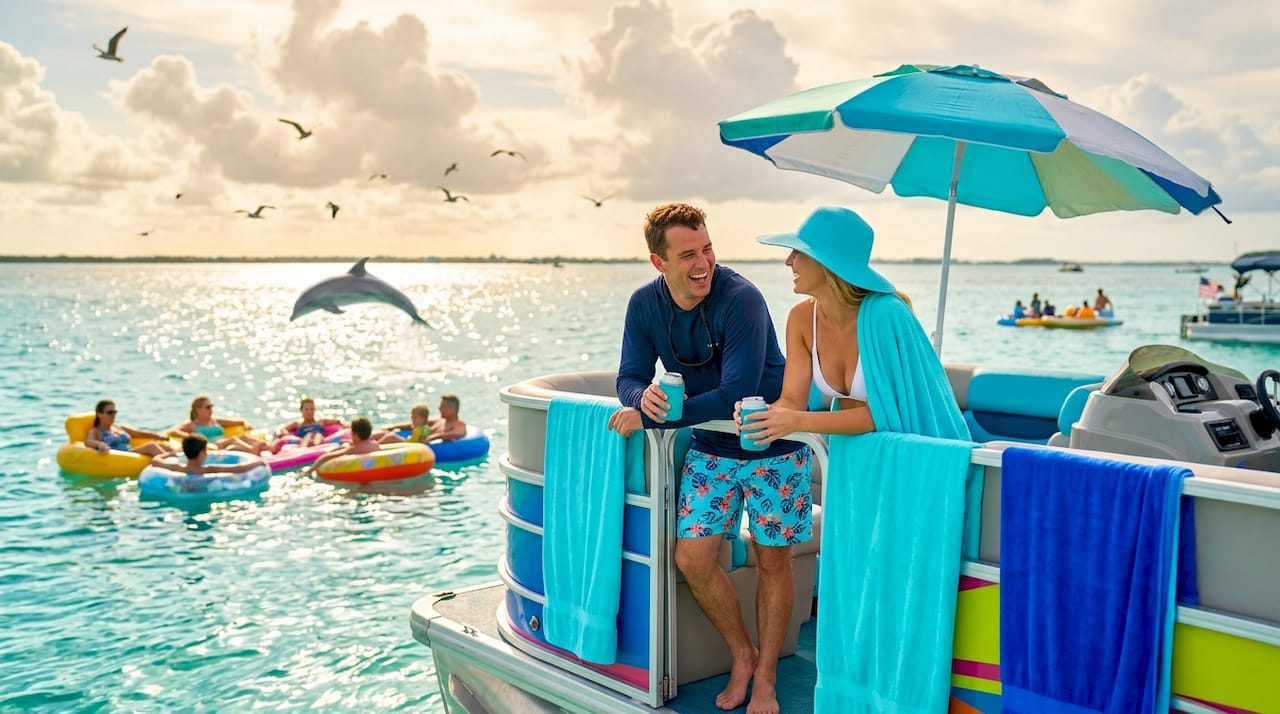
Crab Island in Destin, Florida, is one of the Gulf Coast’s most talked-about social spots, yet for nature enthusiasts and marine biology students, the real draw is what swims beneath the surface. The reason why sea creatures spotted at Crab Island in such variety isn’t random luck. It’s the product of a specific set of ecological conditions converging in one shallow sandbar. This article breaks down those conditions, from tidal flows and estuarine mixing to seasonal migration patterns, so you can understand exactly what drives this remarkable concentration of marine life and what it means for the creatures living there.
Table of Contents
Key Takeaways
Point | Details |
Shallow habitat drives diversity | The 1–4 ft sandbar creates ideal feeding and visibility conditions for multiple species. |
Tidal flow fuels the food web | Gulf and bay water mixing through Destin Pass delivers nutrients that attract prey and predators alike. |
Seasonal patterns shape sightings | Manatees, jellyfish, and certain fish species appear and disappear based on water temperature cycles. |
Human activity has real ecological costs | Heavy boat traffic and visitor loads introduce nutrient stress that alters marine animal behavior. |
Observation density skews perception | High concentrations of observers amplify sighting reports beyond what actual population data would predict. |
Why sea creatures are spotted at Crab Island: the ecological foundation
Crab Island sits between Destin Harbor and the Gulf of Mexico, positioned where Choctawhatchee Bay connects to open water through Destin Pass. That location isn’t incidentally scenic. It places the sandbar directly in the path of one of the region’s most active tidal corridors.
Tidal flows from the Gulf push nutrient-rich water through Destin Pass with each cycle, circulating organic matter and sustaining a layered marine food web. Phytoplankton blooms, small invertebrates, and baitfish follow that nutrient pulse. Larger predators follow the baitfish. This chain plays out over and over, and Crab Island sits right in the middle of it.
The sandbar itself is 1–4 ft deep, which creates conditions you don’t find in deeper offshore water. Sunlight penetrates fully to the bottom. Water temperatures warm quickly in summer, attracting species that prefer shallower, thermally stable environments. Visibility is exceptional, which helps both feeding animals and the people watching them.
Several physical features combine to explain why marine animals gather here specifically:
Water temperature stability: Warm Gulf water blends with cooler bay inflow, creating a temperature gradient that supports both coastal and estuarine species.
Substrate variety: Seagrass beds, sandy flats, and shell deposits near the sandbar provide feeding grounds, shelter, and breeding habitat.
Proximity to deep water: Destin Pass is only a short swim for pelagic species, meaning open-water animals can move into the shallows and back out with minimal energy expenditure.
Nutrient loading from estuarine mixing: The blend of freshwater from the bay and saltwater from the Gulf creates the kind of brackish-zone productivity that sustains high biodiversity.
Pro Tip: Visit Crab Island during incoming tides rather than outgoing. Incoming tidal flow brings fresher, nutrient-laden water from the Gulf, which tends to push baitfish and the predators following them closer to the sandbar.
Common marine species and their ecological roles
Understanding the Crab Island ecosystem means looking at which animals show up, not just that they show up. Marine biodiversity here includes bottlenose dolphins, sea turtles, Southern stingrays, manatees, redfish, snapper, Spanish mackerel, and a rotating cast of seasonal visitors.
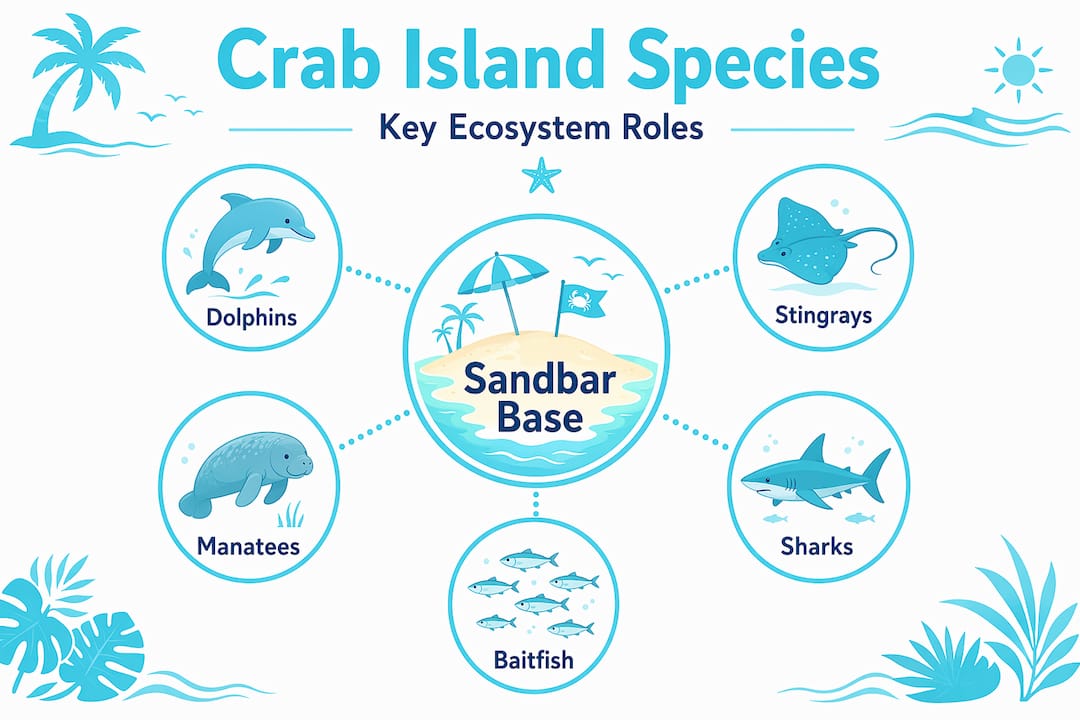
Here’s how the most commonly spotted species break down by their ecological function:
Species | Ecological Role | Peak Visibility Season |
Bottlenose dolphin | Apex predator, fish population regulator | Year-round, active summer |
Southern stingray | Benthic feeder, sediment aerator | Spring through fall |
Sea turtle (loggerhead, green) | Jellyfish predator, seagrass grazer | Late spring through summer |
Manatee | Herbivore, seagrass maintenance | Warm months only |
Redfish and snapper | Mid-level predators, prey for dolphins | Year-round |
Moon jellyfish | Zooplankton consumer, prey for turtles | Late summer |
Each of these species is present because Crab Island satisfies specific biological needs, whether that’s food availability, thermal comfort, or proximity to deeper water escape routes.
Bottlenose dolphins work the shallows to herd baitfish against the sandbar, a behavior known as strand feeding. They follow the same tidal patterns the baitfish do.
Stingrays feed on buried mollusks and crustaceans in the sandy substrate. Their “pit-feeding” behavior stirs up sediment, which releases nutrients and attracts smaller fish looking for an easy meal.
Sea turtles target the jellyfish that accumulate in warm, sheltered shallows. They also graze on seagrass patches nearby, helping maintain the health of those beds.
Manatees arrive seasonally when bay temperatures climb above 68°F. Manatee protection zones in Choctawhatchee Bay require reduced boat speeds, which is something visitors need to know before they arrive.
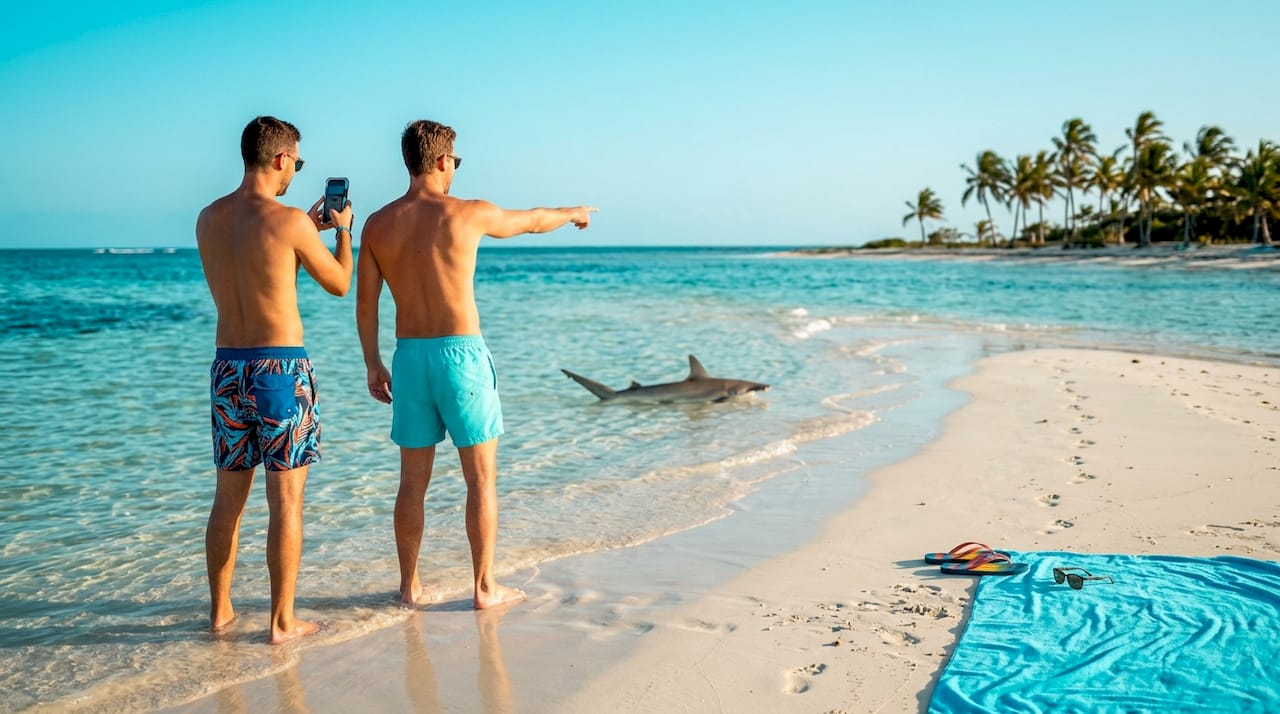
Shark sightings do occur, though infrequently. Hammerheads have been spotted in the area’s shallow waters, typically following baitfish concentrations or drawn by fishermen’s bait. These sightings are the exception, not the rule. Moon jellyfish appear in late summer in large numbers. They’re largely harmless but can surprise swimmers who aren’t expecting them.
Human activity and seasonal patterns: what changes and when
The presence of thousands of visitors and hundreds of boats every summer day doesn’t exist in ecological isolation. Summer crowds and heavy boat traffic increase nutrient loading and trash accumulation in ways that directly alter marine conditions. This is what researchers have started calling the “Crab Island Effect,” a feedback loop where the area’s popularity introduces environmental stressors that change the very ecosystem attracting visitors in the first place.
Specific ways human activity influences marine life visibility and behavior:
Prop wash and boat noise disturb stingrays and bottom-feeding fish, pushing them away from the shallower central sandbar toward quieter edges.
Nutrient loading from waste and sunscreen can trigger localized algal growth, reducing water clarity and affecting fish distribution.
Anchor disturbance damages seagrass beds over repeated seasons, reducing foraging habitat for turtles and manatees.
Feeding by visitors alters dolphin behavior, making some animals approach boats and humans in ways that create safety risks for both.
Seasonal patterns add another layer of complexity. Late spring and early summer offer the best combination of wildlife variety and manageable crowd density. Water temperatures reach the threshold that brings in sea turtles and manatees, while boat traffic hasn’t yet peaked to its late-July intensity.
Pro Tip: If Crab Island wildlife spotting is your primary goal, plan your visit for early morning on a weekday in late May or early June. Animal activity peaks before the crowd noise builds, and water clarity is typically at its best before afternoon wind chop develops.
Late summer shifts the species composition noticeably. Jellyfish accumulate. Some fish species move to cooler offshore depths. Dolphin pods remain active but tend to operate further from the main crowd. By September, manatee sightings increase again as animals move through the bay corridor ahead of their southward seasonal migration.
Why perception of abundance doesn’t always match reality
This is the part most wildlife guides don’t tell you. Announcement bias from high social attention at Crab Island substantially amplifies the perceived abundance of marine life. When thousands of people focus their attention on one small area and then post their observations to social media, even a single dolphin sighting gets reported hundreds of times. The signal looks like a population surge when it’s really just an observation density effect.
“Social clustering of boats and observers creates visibility bias, making marine species seem more abundant than in the broader regional context.” — The Crab Island Effect, Water Wire
This matters for marine biology students especially. When you’re drawing conclusions from citizen science data or social media observations near popular locations, you need to account for this bias. A spike in reported sightings at a hotspot like Crab Island doesn’t necessarily indicate a healthier or larger population. It may simply reflect more eyeballs looking at the same small stretch of water.
The high tide window sharpens this effect. During incoming high tides, shallow-water visibility improves and animals move closer to the surface to feed. Observers catch more glimpses. More sightings get reported. The actual number of animals present may not have changed at all.
What this doesn’t mean is that Crab Island’s marine life is fabricated or exaggerated in species diversity. The ecological conditions are genuinely favorable. The popularity itself changes baseline conditions over time, though, requiring careful management to protect the habitat that makes the area worth visiting.
My take on Crab Island’s wildlife after years of observation
I’ve spent a lot of time at and around Crab Island, and the thing that strikes me most isn’t the dolphins or the stingrays. It’s how quickly visitors mistake familiarity for safety, and abundance for permanence.
I’ve watched people wade up to stingrays for a photo and seen others try to feed dolphins from their boats. The animals tolerate it, up to a point. But every one of those interactions nudges behavior in a direction that reduces the animal’s long-term fitness. Habituated dolphins that associate boats with food become vulnerable. Stingrays that lose their wariness of humans are easier targets for the few people who still deliberately harass them.
What I’ve found is that the most rewarding wildlife experiences at Crab Island come from staying still and observing rather than pursuing. A stingray will approach you. A dolphin will circle your boat. You don’t need to chase either one.
The ecological knowledge matters here, not just for academic reasons but for practical ones. Understanding that dolphins are following baitfish rather than seeking your attention changes how you respond to them. Understanding that the shallow water concentrates animals against the sandbar helps you position yourself as a patient observer rather than an active participant.
My honest concern is the cumulative load on this ecosystem. Crab Island is resilient so far, but resilience isn’t infinite. If marine biology students and nature enthusiasts take one thing from any visit here, I’d want it to be this: the conditions that make this place fascinating are worth protecting more than any single sighting is worth chasing.
— Troy
Experience Crab Island wildlife with a guided tour
Seeing Crab Island’s sea life up close is one thing. Understanding what you’re looking at is something else entirely. Crab-island-tours offers 4-hour guided party boat tours that take the logistics completely off your plate, no boat rental research, no equipment hauling, no navigating crowded anchorages on your own. You show up. They handle the rest.
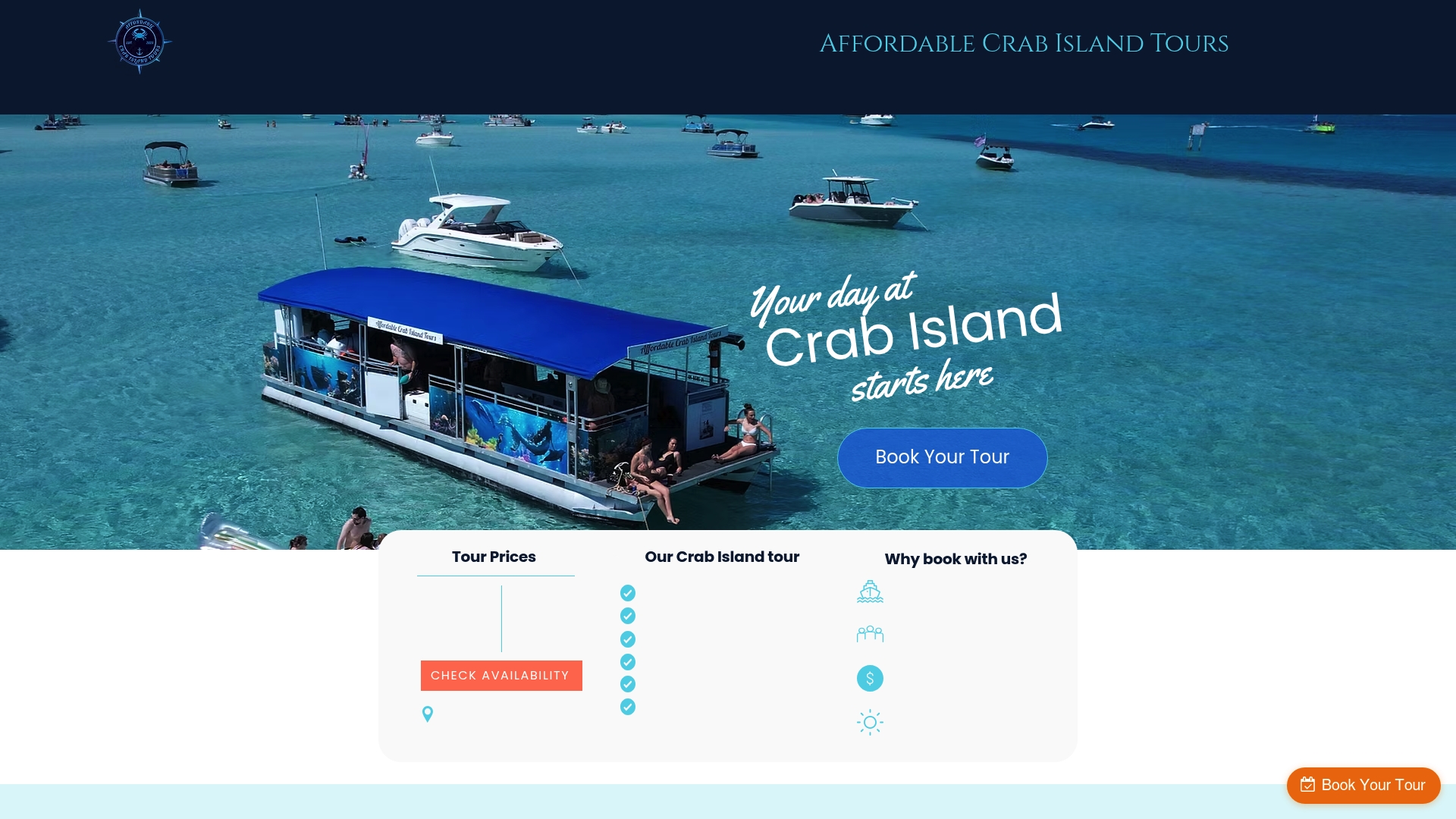
Floats, a restroom on board, and experienced captains are all included. For families, couples, or student groups wanting to observe marine life at Crab Island without the usual friction, this is the straightforward option. Captains know the tidal windows, the animal behavior patterns, and the spots where sightings are most likely. If you also enjoy beachcombing for shells and other marine life, the Captiva Island shelling guide is worth a look for extending your Gulf Coast wildlife experience.
FAQ
Why do dolphins appear so often at Crab Island?
Dolphins follow baitfish into the shallows, using the sandbar to herd and trap prey. The combination of tidal flow and shallow depth makes Crab Island an efficient feeding ground for pods working the area year-round.
Are stingrays at Crab Island dangerous?
Southern stingrays found near Crab Island are generally not aggressive. The standard safety precaution is shuffling your feet when wading to alert them before you step. Most stings occur when people accidentally step directly on a resting ray.
When is the best time to see manatees at Crab Island?
Manatees visit Choctawhatchee Bay during warmer months, typically May through October, when water temperatures support their metabolism. Early morning visits on calm days offer the best chance of a sighting before boat traffic increases.
Do sharks actually swim near Crab Island?
Shark sightings occur occasionally, with hammerheads documented in the area. These sightings are uncommon and typically follow concentrations of baitfish or fishing activity. The risk to swimmers remains low, but local advisories should always be checked.
Why do sea creature sightings seem more frequent in summer?
Summer brings warmer water temperatures, higher visitor numbers, and peak tidal activity. All three factors increase both actual animal presence and the number of observers reporting sightings, which together make summer appear far more productive for marine life spotting than other seasons.
Recommended
Comments