.png)
What Marine Life Kids See at Crab Island, Destin

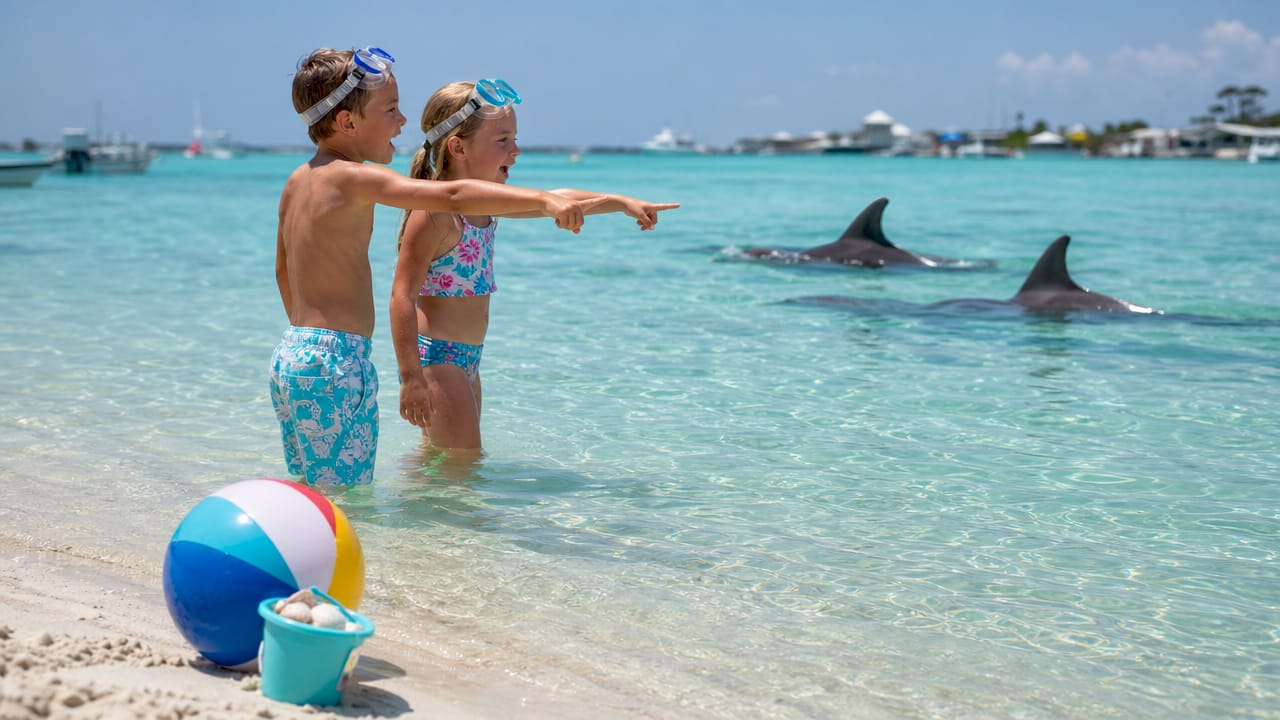
Crab Island is a shallow sandbar off Destin, Florida, where children commonly spot dolphins, sea turtles, stingrays, and colorful fish species during boat rides and in the calm, clear waters nearby. Understanding what marine life kids see at Crab Island helps parents set realistic expectations and plan a trip that delivers genuine wildlife moments rather than disappointment. The Gulf of Mexico around Destin supports one of the most accessible concentrations of marine animals for kids anywhere on the Florida Panhandle. With the right timing and approach, a family visit here becomes a natural classroom your child will talk about for years.
Which marine animals do kids most commonly see at Crab Island?
Bottlenose dolphins, sea turtles, stingrays, redfish, snapper, and Spanish mackerel are the species families most frequently encounter around Crab Island. Each one offers a different kind of wow moment for kids, and knowing where to look makes all the difference.
Dolphins are the headline act. Bottlenose dolphins follow boats through the deeper channels between Destin Harbor and the sandbar, often surfing the bow wake just feet from excited kids leaning over the rail. Dolphins and larger marine animals prefer the deeper, less noisy water of these channels, which is why sightings happen almost exclusively during the boat ride rather than at the sandbar itself. Expect to see them on the way out or back, not while you are anchored and surrounded by jet skis.
Sea turtles appear less predictably but are spotted near the surface in warmer months, particularly between May and September. They tend to surface briefly to breathe, so a child watching the water from the boat deck has a real chance of catching one. Manatees also make occasional appearances in the same warmer months, though they are rarer and usually a bonus rather than a guarantee.
Stingrays are the sandbar’s signature creature. The shallow, clear waters at Crab Island are waist-deep and calm, making it easy for kids to watch southern stingrays glide silently along the sandy bottom just inches below the surface. This is one marine encounter that happens right at the sandbar, not on the boat.
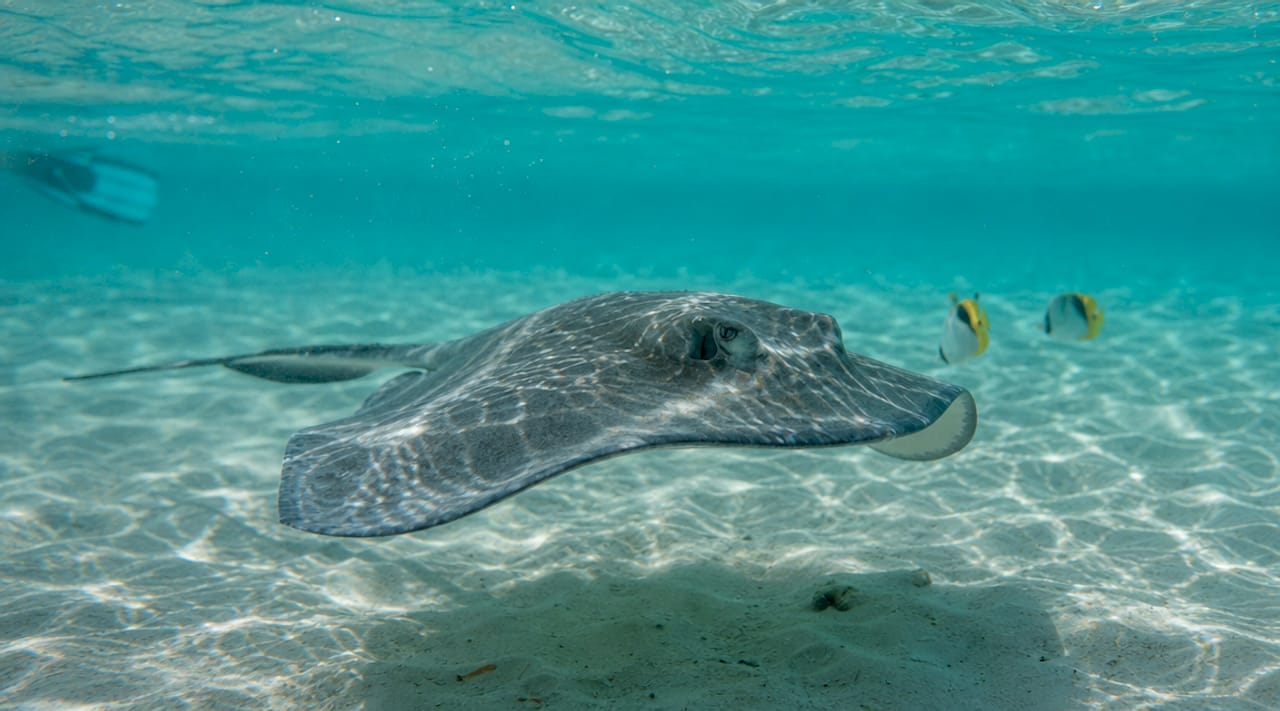
Fish species visible in the shallows include small snapper, pinfish, and the occasional juvenile redfish. Kids with snorkel masks can see these up close without needing to go far from the anchored boat.
Crustaceans at Crab Island are a favorite with younger children. Hermit crabs, small blue crabs, and sand dollars turn up in the shallows, and finding one feels like a treasure hunt. These small creatures are abundant and easy to spot without any special equipment.
Pro Tip: Bring a waterproof disposable camera or a budget underwater phone case for your child. Giving kids the job of “official wildlife photographer” keeps them focused on the water and dramatically increases how much marine life they actually notice.
How does Crab Island’s environment affect what kids can see?
The physical setup of Crab Island shapes every wildlife encounter your child will have. The sandbar sits in the East Pass of Choctawhatchee Bay, where Gulf water meets calmer bay water, creating a mix of habitats that supports diverse marine life. Water depth at the sandbar rarely exceeds four feet, which means visibility is excellent and small creatures have nowhere to hide.
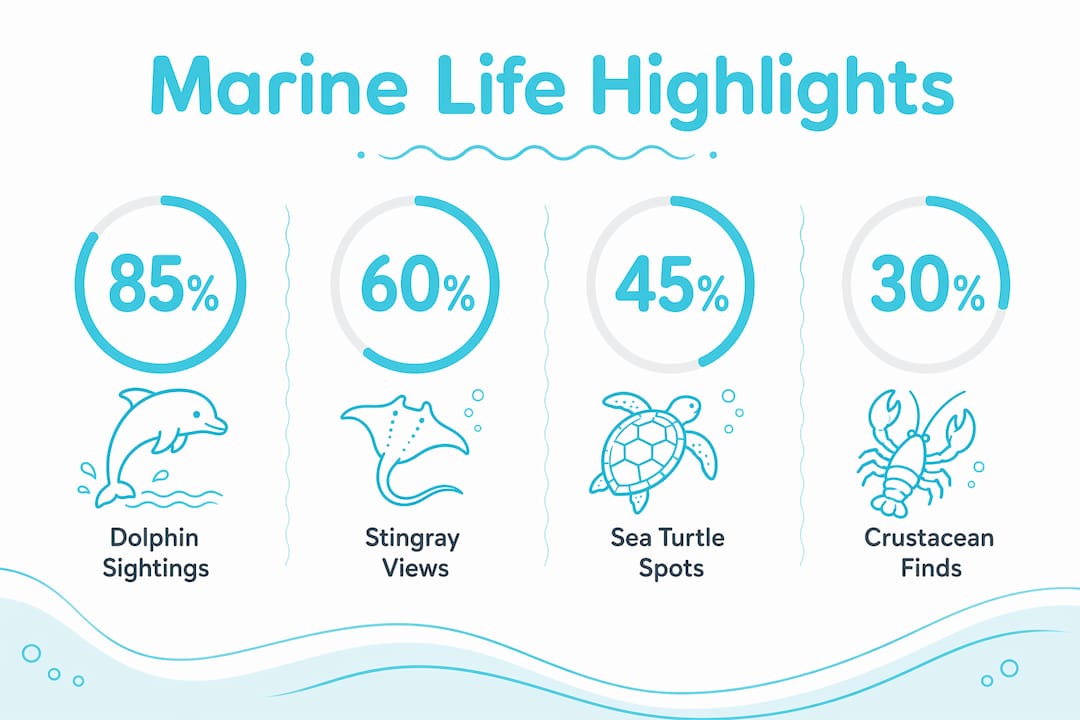
The catch is the crowd. The lively sandbar atmosphere limits sightings of larger, more sensitive animals. Dolphins, manatees, and sea turtles actively avoid the noise and boat traffic concentrated at the sandbar on a busy summer weekend. This is not a flaw in the destination. It is simply how marine animals behave, and understanding it helps you plan smarter.
Here is how to work with the environment rather than against it:
Visit on a weekday morning. Weekday morning visits produce better wildlife sightings because fewer boats mean less noise and disturbance. The difference between a Saturday afternoon and a Tuesday at 9 a.m. is dramatic.
Pay attention during the boat ride. The transit through the deeper channels is where dolphin sightings happen. Tell your kids before you leave the dock so they are watching the water, not their phones.
Choose early season or late season. June and September offer warmer water temperatures that attract sea turtles and manatees, with slightly smaller crowds than peak July and August.
Watch the tides. Incoming tides push cleaner Gulf water over the sandbar, improving visibility for stingrays and small fish. Outgoing tides can stir up sediment and reduce how much kids can see in the shallows.
Lower your expectations for dolphin swimming. Swimming with dolphins is not a realistic expectation at Crab Island. Dolphins pass through on their own terms. Watching them from the boat is the experience here, and it is genuinely thrilling for kids.
Pro Tip: Ask your boat captain which direction the tide is running before you anchor. Captains who work these waters daily know exactly when visibility peaks and where stingrays tend to congregate. That local knowledge is worth more than any app.
What activities help kids engage with marine life safely?
Passive observation is only part of the experience. The right activities turn a boat trip into something your child actively participates in, and they also keep safety front and center.
Snorkeling in the shallows. Snorkeling gear rentals are popular among families at Crab Island, and for good reason. The calm, waist-deep water is ideal for first-time snorkelers. Kids can see pinfish, small crabs, and the occasional stingray resting on the bottom without venturing more than a few feet from the boat. Always keep a hand within reach of younger children.
Binoculars on the boat deck. A small pair of binoculars gives kids a focused task during the boat ride and dramatically improves their chances of spotting a dolphin fin or a sea turtle surfacing in the distance.
Marine life scavenger hunts. Print a simple checklist before you leave home: dolphin, stingray, hermit crab, pelican, jellyfish, snapper. Kids who are hunting for specific animals pay far more attention to the water than kids who are just along for the ride.
Responsible wildlife observation. Teach children before the trip that touching stingrays or picking up crabs causes stress to the animal. Watching without disturbing is the rule. This is also a great opportunity to explain why federal law protects dolphins and sea turtles from harassment.
Life jacket compliance. Federal and Florida law require children under six to wear life jackets on vessels underway. Life jackets must be available for all passengers, and enforcement is active around Crab Island in summer. Pack a properly fitted jacket for every child, not just the youngest.
Guided tours for educational depth. Experienced guides know where wildlife concentrates and how to explain what kids are seeing in terms they understand. A guide who can name the fish your child just spotted through a snorkel mask turns a fun moment into a lasting memory.
Pro Tip: Pack a small waterproof field guide to Gulf Coast marine life. Books like the Audubon Society’s field guides are compact and durable. Letting your child identify a stingray species by name gives them ownership of the discovery.
How to plan a kid-friendly Crab Island visit for the best sightings
Smart planning separates a good trip from a great one. The table below compares the key variables parents should weigh before booking.
Factor | Best option for families | Why it matters |
Day of week | Tuesday through Thursday | Less boat traffic means calmer water and more wildlife |
Time of day | 8 a.m. to 11 a.m. | Cooler temperatures, cleaner water, fewer crowds |
Tour type | Small group or private charter | More flexibility to linger where wildlife is active |
Season | June or September | Warm water attracts sea turtles and manatees with smaller crowds |
Group size | Under 15 passengers | Quieter boats disturb wildlife less and give kids more deck space |
Beyond the table, a few packing decisions make a real difference. Reef-safe sunscreen protects your child and the marine ecosystem. Snacks and water keep younger kids comfortable during the full trip. A dry bag keeps phones and cameras safe while still accessible for wildlife photos. For families exploring other Florida waters, kid-friendly pontoon boats offer a similar low-stress format for wildlife viewing in calmer coastal areas.
The Crab Island sandbar visit guide 2026 covers additional logistics for families, including parking, water taxi options, and what to bring for children of different ages. Combining that practical groundwork with the wildlife tips above gives you a trip that works on every level.
Guided boating tours increase the likelihood of spotting diverse marine life and provide educational commentary that makes the experience stick for kids. The difference between a self-navigated rental and a guided trip is often the difference between seeing one dolphin fin and watching a pod play alongside the boat for ten minutes.
Key takeaways
The most reliable marine life encounters for kids at Crab Island happen during the boat ride, not at the sandbar, making tour selection and timing the two most important decisions a parent can make.
Point | Details |
Boat ride is the wildlife window | Dolphins, sea turtles, and manatees appear in deeper channels during transit, not at the crowded sandbar. |
Stingrays and crabs at the sandbar | Shallow, clear water makes stingrays and small crustaceans easy for kids to spot up close. |
Timing changes everything | Weekday morning visits in June or September deliver the best combination of wildlife activity and manageable crowds. |
Safety is non-negotiable | Florida law requires life jackets for children under six on moving vessels; pack one for every child regardless of age. |
Guided tours multiply sightings | Experienced captains know wildlife patterns and give kids the educational context that turns a sighting into a lesson. |
What I’ve learned watching kids discover marine life here
I have seen a lot of families arrive at Crab Island expecting a dolphin swim and leave a little deflated because it did not happen. That expectation gap is the single biggest thing parents can fix before the trip even starts.
The truth is that the boat ride itself is often the most memorable part for kids. I have watched a seven-year-old completely forget about the sandbar because a pod of bottlenose dolphins spent four minutes riding the bow wake ten feet away. That child was not disappointed. That child was transformed. The sandbar is fun, but the water between the dock and the sandbar is where the real wildlife theater plays out.
What I would tell every parent: brief your kids before you leave the dock. Tell them what they might see, where to look, and why the animals behave the way they do. A child who understands that dolphins avoid noise will not be confused when they do not show up at the sandbar. A child who knows stingrays bury themselves in sand will spot one in thirty seconds flat.
The other thing parents consistently underestimate is how much small creatures matter to young children. A hermit crab in the shallows can hold a five-year-old’s attention longer than a distant dolphin. Do not rush past those moments chasing the headline species. The best marine wildlife viewing for kids is often the quietest and closest encounter, not the most dramatic one.
— Troy
Plan your family’s Crab Island marine life adventure
Crab-island-tours makes the logistics simple so you can focus entirely on what your kids are seeing in the water. Their 4-hour tours include experienced captains who know the wildlife patterns of Destin’s channels, onboard restrooms, and floats for the sandbar, all at a price that does not require a second mortgage.
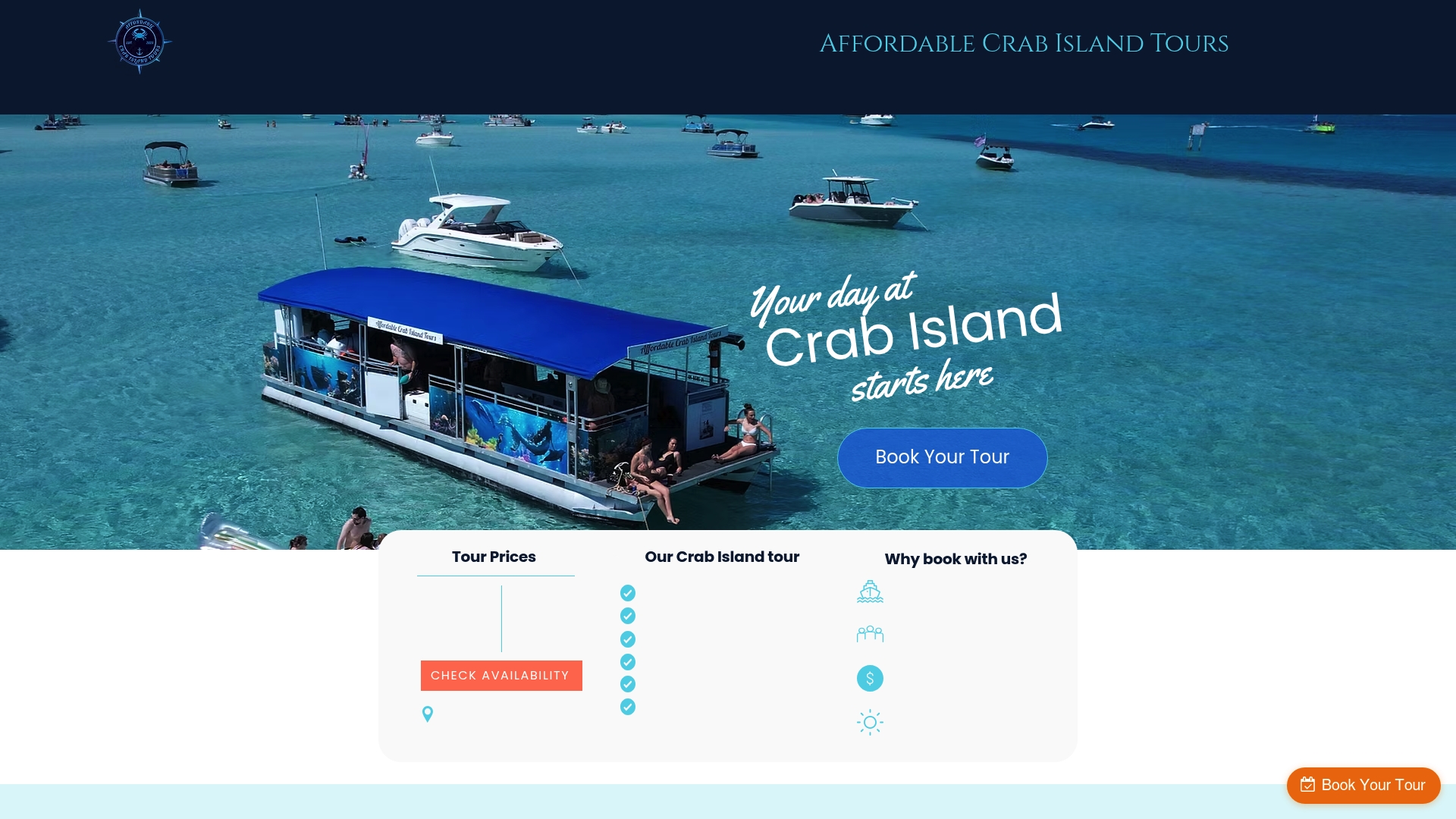
Families who book with Crab-island-tours show up, step on the boat, and let the crew handle everything else. No rental paperwork, no navigation stress, no wondering if you are in the right spot. The captains position the boat where dolphins are most active during transit and anchor at the sandbar where stingray and crustacean sightings are most reliable. Book your family Crab Island tour and give your kids a marine life experience they will remember long after the sunburn fades.
FAQ
What marine animals do kids most often see at Crab Island?
Kids most commonly spot bottlenose dolphins, southern stingrays, sea turtles, hermit crabs, and fish species like snapper and redfish. Dolphins are typically seen during the boat ride through deeper channels, while stingrays and small crustaceans appear in the shallow water at the sandbar.
Is swimming with dolphins possible at Crab Island?
Swimming with dolphins is not a reliable or guaranteed experience at Crab Island. Dolphins prefer deeper, quieter water and generally avoid the crowded sandbar, so sightings happen from the boat rather than in the water.
What is the best time for kids to see marine life at Crab Island?
Weekday mornings between June and September offer the best conditions. Fewer boats mean less noise disturbance, and warmer water temperatures attract sea turtles and manatees in addition to the year-round dolphin population.
Do kids need special equipment to see marine life at Crab Island?
Snorkel masks and fins are the most useful gear for sandbar wildlife viewing, and rentals are available near the site. Binoculars help during the boat ride for spotting dolphins and sea turtles at a distance.
Are there safety rules parents should know before taking kids to Crab Island?
Florida law requires children under six to wear life jackets on any vessel underway, and enforcement is active around Crab Island during summer. All children should wear properly fitted life jackets regardless of age, and kids should be taught not to touch or chase marine animals.
Recommended
Comments