.png)
Toddler-Friendly Boat Trips: Best Examples for Families

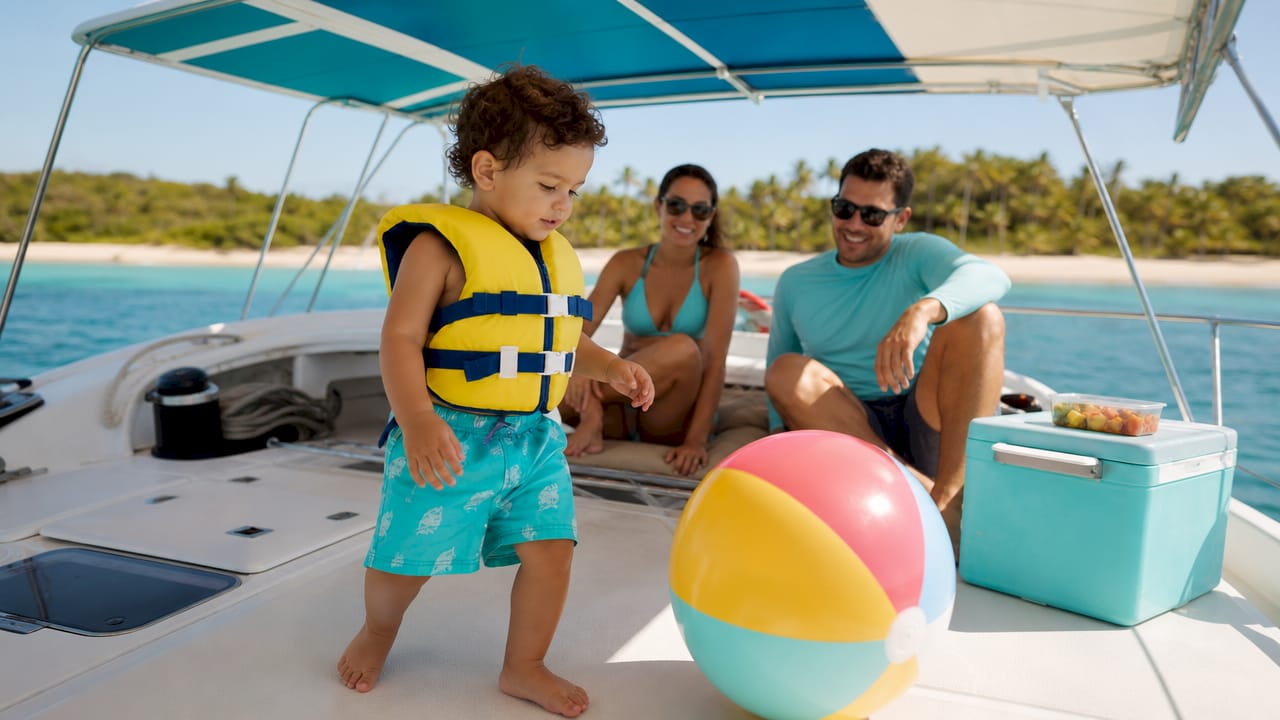
Toddler-friendly boat trips are defined by three non-negotiable features: a stable vessel, a duration of 90–120 minutes, and activities designed to hold a two-year-old’s attention. These are not simply shorter versions of adult tours. They require Coast Guard-approved life jackets in infant and toddler sizes, shaded seating, and operators who treat a snack spill as routine. The examples of toddler-friendly boat trips below are organized by format, vessel type, timing, and cost so you can match the right outing to your child’s temperament and energy level.
1. What are the best examples of toddler-friendly boat trips?
The strongest toddler boat trips share a short runtime, calm water, and at least one activity that gives small hands something to do. Here are the formats that consistently deliver for families.
Pirate-themed cruises
Pirate-themed cruises are among the most effective formats for toddlers. Themed cruises include face painting, treasure hunts, and water play that keep children engaged from boarding to dock. Seattle-based pirate cruises, for example, build in 8 minutes of boarding activities before a 45-minute cruise with interactive play. That structure matters because it prevents the restless stretch that hits toddlers around the 30-minute mark.

Calm-water wildlife tours
Dolphin and manatee watching tours on protected bays or inlets work well for curious toddlers. The water stays flat, the pace is slow, and spotting an animal delivers a genuine moment of wonder. These tours typically run 60–90 minutes and require no physical activity from the child, which keeps stress low for parents too.
Sandbar and beach-stop charters
Private charters with sandbar stops give toddlers the best of both worlds: a short boat ride followed by shallow, warm water where they can splash freely. Families consistently prefer this format because the sandbar portion replaces the need to keep a toddler entertained on deck for an extended stretch. The boat becomes a vehicle to the fun rather than the main event.
Pontoon sightseeing tours
Pontoon boats on calm lakes or rivers offer wide, flat decks with room to move. A toddler can stand, sit on a parent’s lap, or explore the deck without the anxiety of a narrow walkway. Many operators on Florida’s inland waterways and Tennessee’s lake systems run 90-minute family sightseeing loops that fit neatly inside a toddler’s pre-nap window.
Pro Tip: Book a morning departure and ask the operator specifically whether they carry toddler-sized life jackets before you pay. Confirming gear availability in advance avoids last-minute issues at the dock.
2. How vessel type and safety features shape the experience
The boat itself determines whether a family boat trip with toddlers is relaxing or stressful. Vessel choice is not a secondary concern.
Catamarans and pontoon boats are the two best options for young children. Both offer wide, stable platforms that resist rocking in light chop. Stable vessels with high railings are the standard recommendation for toddler safety, with railing heights of 39 inches or higher providing a meaningful barrier. High-speed rigid inflatable boats (RIBs) are the opposite: fast, narrow, and prone to sudden jolts that frighten toddlers and exhaust parents.
Shade and seating matter as much as stability. A covered deck section lets you keep a toddler out of direct sun without cutting the trip short. Look for operators who offer bench seating with backs rather than open rails, and who have a restroom on board. A 90-minute trip without a bathroom becomes a crisis with a newly potty-trained child.
Life jacket availability is the single most important safety check before booking. Operators carry Coast Guard-approved jackets in infant and toddler sizes, but not all stock them in every size. Call ahead, confirm the sizes available, and ask whether the crew assists with fitting. A jacket that fits poorly is nearly as dangerous as no jacket at all.
Pro Tip: Ask operators whether they enforce a no-standing rule during transit. Vessels that require passengers to stay seated while moving significantly reduce the risk of a toddler losing balance at speed.
3. When to go and how long the trip should last
Timing a boat trip around a toddler’s schedule is as important as choosing the right vessel. Get the timing wrong and the best boat in the harbor will not save the day.
Morning tours between 7 AM and 10 AM are the clear choice for families with toddlers. Morning departures offer calmer water, cooler temperatures, and children who are rested and agreeable. Afternoon trips risk choppier seas as wind builds, and they collide with the post-lunch slump that turns even easy-going toddlers into a challenge.
Trip length is equally critical. The research is consistent: 90 to 120 minutes is the sweet spot for toddlers. Full-day trips frequently end in meltdowns, not because the experience is bad but because toddlers become restless and uncomfortable when confined to a vessel for extended periods. A 90-minute trip that ends on a high note beats a 4-hour trip that falls apart at the 2-hour mark.
Key timing principles for planning:
Depart between 7 AM and 10 AM to catch the calmest water and the best toddler mood.
Cap the trip at 2 hours maximum to stay inside the average toddler attention window.
Avoid afternoon departures when wind and chop typically increase along coastal and lake routes.
Align departure with post-breakfast energy, not post-nap, since sea motion can accelerate drowsiness.
Build in 15 minutes of buffer before boarding for life jacket fitting and bathroom stops.
4. Cost-effective options and what to look for in an operator
The cost question for safe boat tours for toddlers usually comes down to shared tours versus private charters. Each has a clear use case.
Shared tours run on fixed schedules with 40–100 passengers. They cost less per person but offer zero flexibility. If your toddler needs a bathroom break mid-route or melts down 45 minutes in, you have no recourse. For families with older children or very adaptable toddlers, a shared sightseeing loop can work well. For families with children under three, the rigidity is a real risk.
Private charters capped at 6 guests give families full control over pacing, stops, and schedule. The operator can pause for a snack break, extend time at a sandbar, or cut the trip short if needed. That flexibility has a price premium, but most parents who have tried both formats report that the private experience is worth the difference. The ability to adapt to a toddler’s needs in real time changes the entire character of the outing.
When evaluating operators, prioritize these factors:
Toddler life jacket availability confirmed before booking, not assumed.
Onboard restroom or a clear plan for bathroom breaks at a stop.
Shade coverage on deck for at least part of the trip.
Crew attitude toward children, specifically whether reviews mention staff being patient and accommodating.
Trip duration of 90–120 minutes as the default, not a special request.
Flexible itinerary that allows sandbar or beach stops for toddler play time.
Operators with accommodating staff consistently receive higher satisfaction scores from parents. Reviews that use words like “relaxed” and “patient” are a reliable signal that the crew handles typical toddler behavior without making parents feel like a burden.
Key takeaways
The most successful toddler boat trips combine a stable vessel, a morning departure, and a runtime of 90–120 minutes, with an operator who treats toddler needs as standard rather than exceptional.
Point | Details |
Optimal trip duration | Keep trips to 90–120 minutes to match toddler attention spans and avoid meltdowns. |
Best departure time | Morning tours between 7 AM and 10 AM offer calmer water and better toddler mood. |
Vessel choice matters | Catamarans and pontoon boats with 39-inch-plus railings are the safest option for toddlers. |
Confirm safety gear first | Call ahead to verify Coast Guard-approved toddler life jackets are available in the right size. |
Private charters outperform shared tours | Private bookings allow schedule flexibility that shared tours with fixed routes cannot provide. |
What I’ve learned from planning boat trips with toddlers
The single biggest mistake parents make is choosing a trip based on what sounds fun for adults and then hoping the toddler adapts. It rarely works that way. Toddlers do not adapt to boat schedules. The schedule has to adapt to them.
The operators who make the biggest difference are not the ones with the flashiest boats or the longest route lists. They are the ones who, when you call to book, ask how old your child is and then tell you exactly which life jacket sizes they carry. That conversation tells you everything about how the day will go.
Speed and distance are irrelevant for this age group. A 45-minute pirate cruise on a calm harbor will outperform a 3-hour deep-sea excursion every single time. The child does not care how far the boat travels. They care whether they are comfortable, whether something interesting is happening, and whether the adults around them are relaxed.
My strongest recommendation is to read operator reviews specifically for mentions of toddlers or young children. Generic five-star reviews from adult travelers tell you nothing useful. A single review from a parent of a two-year-old who says the crew was patient and the trip felt easy is worth more than a hundred adult testimonials.
— Troy
A stress-free family boat trip at Crab Island
Planning a toddler-friendly outing near Destin does not have to mean hours of research and logistics. Crab-island-tours offers a 4-hour guided experience that includes floats, an onboard restroom, and experienced captains who know how to keep families comfortable from start to finish.
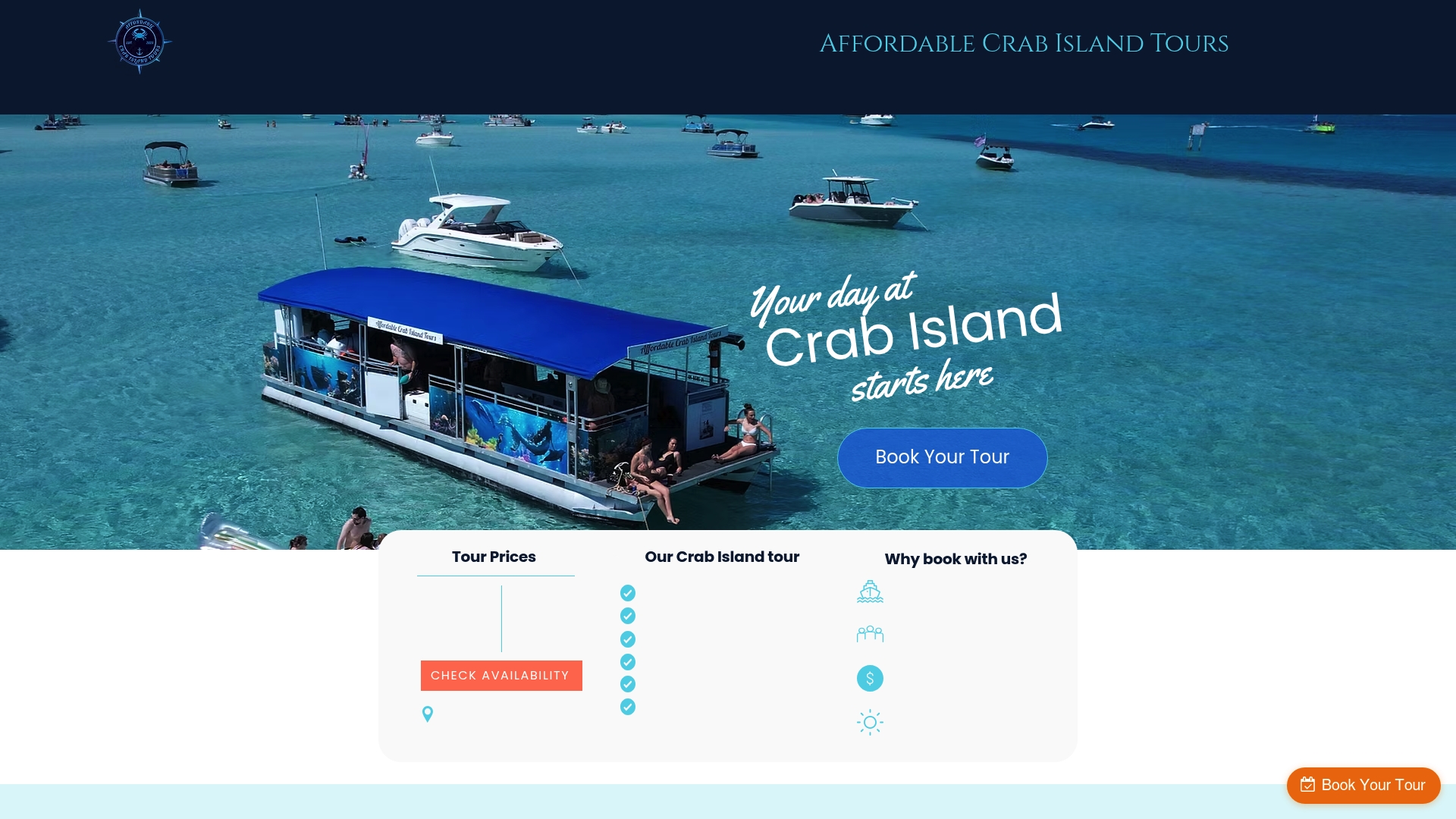
Parents show up and the crew handles everything else. Crab-island-tours carries life jackets for all ages and operates stable vessels suited for families with young children. The Crab Island tour package is priced to be accessible without cutting corners on the features that matter most to parents. If you want a day on the water where the only thing you manage is your toddler’s sunscreen, this is the right starting point.
FAQ
How long should a boat trip be for a toddler?
The ideal duration is 90–120 minutes. Trips longer than 2 hours frequently lead to toddler discomfort and restlessness, even with engaging activities on board.
What type of boat is safest for toddlers?
Catamarans and pontoon boats with railings of 39 inches or higher are the safest options. They offer wide, stable decks that resist rocking and reduce the risk of falls.
Should I book a private or shared charter with a toddler?
Private charters are the better choice for most families with toddlers. They allow flexible pacing, unscheduled bathroom breaks, and the option to cut the trip short if needed.
What time of day is best for a toddler boat trip?
Morning departures between 7 AM and 10 AM are best. Water is calmer, temperatures are cooler, and toddlers are typically more rested and cooperative at that hour.
What safety gear should I confirm before booking?
Confirm that the operator carries Coast Guard-approved life jackets in infant and toddler sizes. Ask whether crew members assist with fitting, and verify that shaded seating is available on deck.
Recommended
Comments