.png)
How Boat Tours Work for First-Timers: A Clear Guide

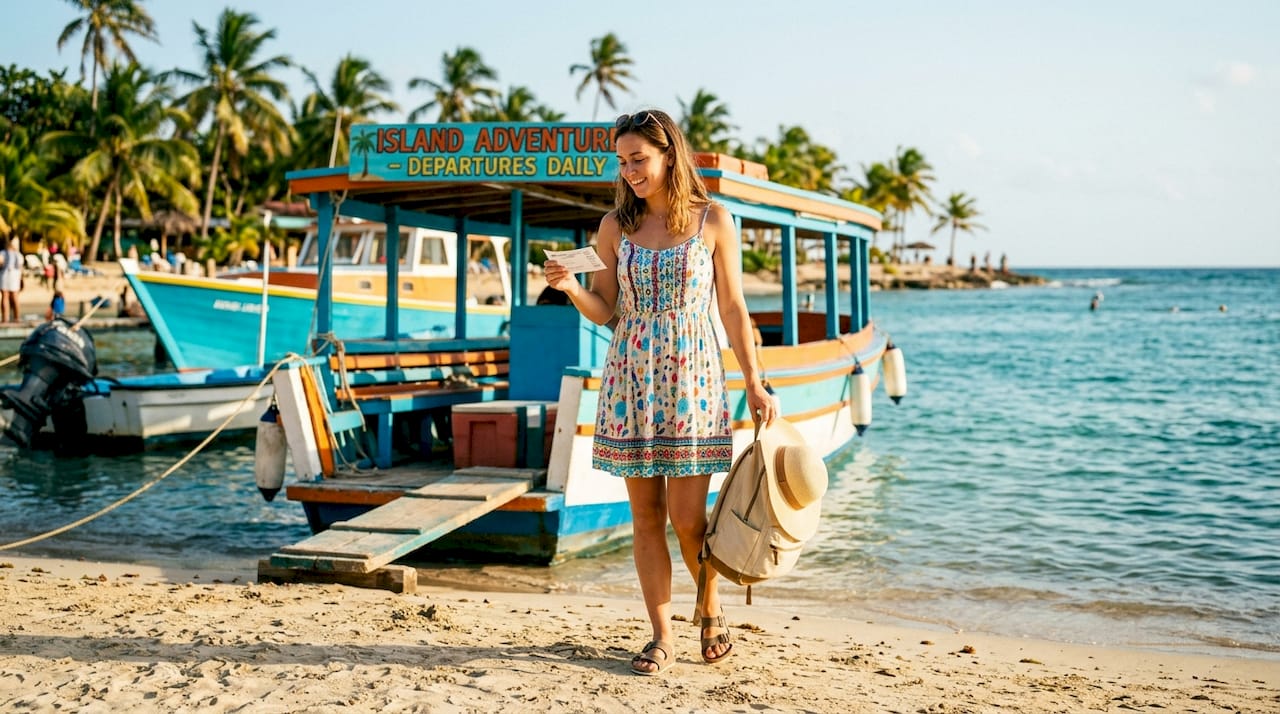
A boat tour is a guided water excursion where a licensed captain navigates a vessel along a planned route while passengers enjoy the scenery, narration, and onboard amenities. Understanding how boat tours work for first-timers means knowing the full sequence: booking, arriving, receiving a safety briefing, cruising, and disembarking. That sequence is structured, predictable, and designed to keep you comfortable from start to finish. Crab-island-tours, based in Destin, Florida, runs exactly this kind of experience, and the steps below apply to any quality boat tour you choose.
How do boat tours work for first-timers?
A boat tour follows a fixed structure, and knowing that structure removes most of the anxiety. You book a spot, show up at the dock, check in, receive a safety briefing, cruise the route, and return to the dock. Every step has a crew member managing it. Your only job is to follow their lead.
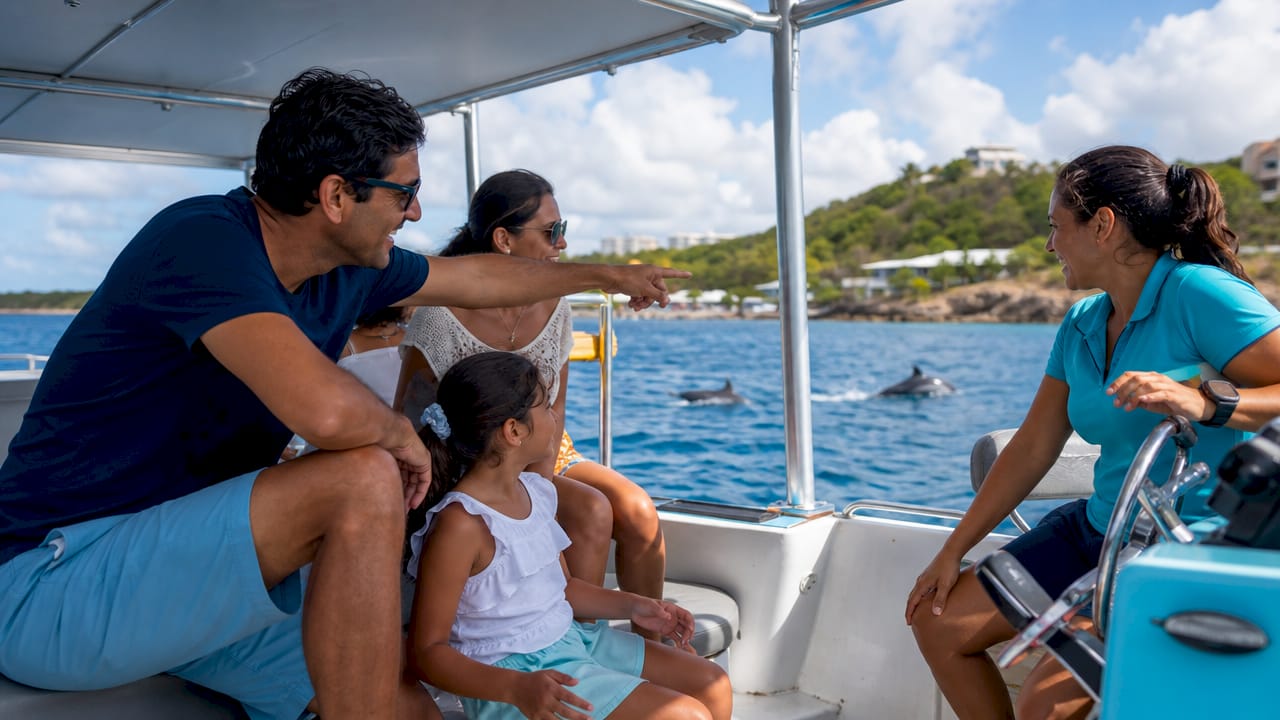
The cruising portion is the heart of the experience. Most tours move at a relaxed pace designed for sightseeing, not speed. Guides provide live narration about the area, local wildlife, or points of interest along the route. Some tours offer multilingual guides for international visitors.
Advertised tour durations often include check-in and disembarkation time, not just the time you spend on the water. Confirm the actual cruising time before you book so your schedule lines up with reality. A “4-hour tour” may mean 3.5 hours on the water and 30 minutes of logistics.
How to prepare and book your first boat tour
Preparation separates a smooth outing from a stressful one. The right booking window, the right gear, and a clear understanding of the operator’s policies all matter before you step on the dock.
Booking timing and choosing the right tour
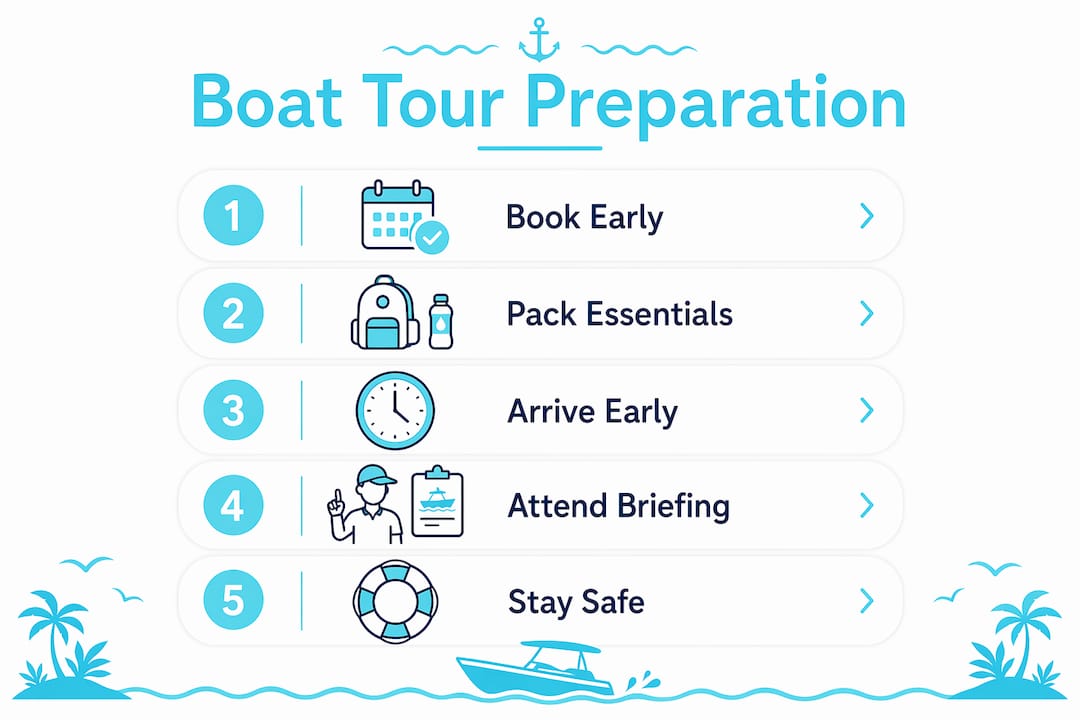
Peak season booking requires at least one week of advance notice. Off-season tours may allow same-day reservations, but waiting is a gamble. Book early, especially if you are traveling with a group or during summer months in a popular destination like Destin.
Choosing the right tour comes down to three factors: vessel stability, onboard facilities, and itinerary fit. Stability and amenities determine your comfort far more than glossy photos or the lowest price. A boat with shade, a restroom, and a stable hull makes a four-hour tour feel easy. A cramped vessel with no facilities makes it feel long.
Look for tours that list vessel type and size clearly
Confirm whether restrooms are available on board
Check if floats, snorkeling gear, or other extras are included
Read recent reviews that mention crew attentiveness and comfort
Ask about group size limits so you are not packed onto an overcrowded deck
Cancellation and weather policies
Operators typically require 24–48 hours of notice for a full refund. Heavy rain or unsafe wind conditions usually qualify for free rescheduling, but policies vary by operator. Read the fine print before you pay. For a deeper look at how weather affects your options in Destin specifically, the guide on Destin boat tour weather covers rescheduling and credit policies in detail.
What to pack
Pack light but pack smart. The essentials for any first-time boat trip are:
Reef-safe sunscreen (SPF 30 or higher)
Sunglasses and a hat with a brim
Water shoes or non-slip footwear
A light cover-up or layer for wind
Motion sickness medication if you are prone to nausea
A waterproof bag for your phone and valuables
Pro Tip: Take any seasickness medication at least 30 minutes before boarding. Waiting until you feel queasy on the water is too late for most over-the-counter options.
What to expect on arrival and during boarding
Arriving on time is not enough. Arriving early is the standard.
The check-in and boarding sequence
Arrive 20–30 minutes early. Pre-boarding check-ins and safety protocols take 15–30 minutes. Showing up late means missing critical instructions or losing your spot.
Check in at the dock. Present your booking confirmation, sign any liability waivers, and receive your boarding pass or wristband.
Wait for the crew’s boarding call. Do not step onto the vessel until a crew member directs you. The gangway and deck can be slippery.
Board in an orderly line. Hold the handrail as you step on. The crew will guide you to seating or open deck areas.
Locate the life jackets. The crew will point them out during the safety briefing. Know where yours is before the boat leaves the dock.
The safety briefing
The safety briefing covers life jacket locations, emergency procedures, restricted areas on the vessel, and rules for moving around the deck. Professional crews expect safety questions from first-time guests. Ask them. A question about where to stand in rough water is not embarrassing. It is exactly what the briefing is for.
Pro Tip: Write down or mentally note the location of the nearest life jacket and the emergency exit before the boat pulls away from the dock. You will feel more relaxed for the rest of the trip.
What happens during the boat tour itself
The cruising phase is where the experience pays off. The boat moves at a steady, comfortable pace. You are not white-knuckling a speedboat. The captain controls speed and route while the guide narrates.
Most quality tours offer both open-air deck space and covered or indoor viewing areas. Open-air positions give you the best views and the most fresh air. Indoor or shaded areas are better if the sun is intense or the wind picks up. Move between them freely, but always hold a rail when you do.
Staying comfortable on the water
Seasickness catches first-timers off guard. The most effective prevention combines medication taken before boarding with smart positioning on the boat. Looking at a fixed horizon from an open-air area reduces nausea significantly. Staring at your phone screen in an enclosed cabin is the fastest way to feel sick.
Stay on the open deck as much as possible during the first 30 minutes
Fix your gaze on the horizon, not on the water directly below you
Eat a light meal before boarding, not a heavy one
Limit alcohol until you know how your body responds to the motion
Drink water consistently throughout the tour
The crew is available throughout the cruise. If you feel unwell, tell them immediately. They carry basic first aid supplies and know how to position you for relief.
How to handle transitions and disembarking safely
The cruising portion of a boat tour is actually the safest part. Most injuries happen during transitions: boarding, moving between decks, using the restroom, and disembarking. That fact surprises most first-timers. It should change how you move on the boat.
Moving safely on board
Hold a handrail every time you stand up or change position. Stow your bag before you move so both hands are free. Wear non-slip footwear. Wet decks are slippery even on calm water. The crew will remind you of these rules, but the habit needs to be yours.
Disembarking follows the same logic as boarding. Wait for the crew’s signal. Step off one person at a time. Use the handrail. Do not rush because you are eager to get back to shore.
Pro Tip: Stow your belongings in a bag before the boat docks. Juggling a backpack, a drink, and a phone while stepping off a moving vessel onto a dock is how most minor accidents happen.
Pacing yourself for the full tour
Sun exposure and dehydration build up faster on the water than on land. The reflective surface of the water amplifies UV exposure. Drink water every 30–45 minutes even if you do not feel thirsty. Reapply sunscreen after swimming or after two hours in direct sun. If alcohol is available on board, pace it against the heat and the duration of the tour.
Key Takeaways
A successful first boat tour depends on booking early, arriving prepared, following the safety briefing, and moving carefully during transitions.
Point | Details |
Book at least one week early | Peak season fills fast; confirm actual cruising time, not just the advertised tour length. |
Arrive 20–30 minutes before departure | Early arrival gives you time for check-in, safety protocols, and a calm boarding experience. |
Take seasickness medication before boarding | Over-the-counter options require at least 30 minutes to take effect before you board. |
Most injuries happen during transitions | Hold handrails and stow your bag every time you move on the vessel. |
Choose tours based on stability and facilities | Onboard restrooms, shade, and a stable hull matter more than price or photos. |
What first-timers almost always get wrong
Most first-timers spend too much time worrying about the water and not enough time paying attention to the safety briefing. I have seen guests tune out the moment the crew starts talking about life jackets because they assume it is just a legal formality. It is not. The briefing tells you where to stand, what to hold, and what to do if something goes wrong. That information is worth more than any photo you will take on the trip.
The other thing people consistently underestimate is how much the boat choice matters. Guests often pick a tour because it is the cheapest option or because the marketing photos look good. Then they spend four hours on a cramped vessel with no shade and no restroom, wondering why they are miserable. Comfort features like stability and onboard facilities determine whether you enjoy the experience or just endure it.
My honest advice: ask questions before you book and ask more questions during the safety briefing. Crews genuinely appreciate guests who are engaged. It makes their job easier and your trip better. The best boat tour you will ever take is the one where you showed up prepared, paid attention, and let the crew do their job.
— Troy
Your first Crab-island-tours experience starts here
Crab-island-tours takes the guesswork out of your first boat tour in Destin. The booking process is straightforward, the crew walks every guest through a full safety briefing, and the boat comes equipped with floats, a restroom on board, and an experienced captain who knows Crab Island well.
Families, couples, and groups show up and enjoy a four-hour tour without managing any boat logistics themselves. The crew handles everything from boarding to disembarkation. If you are ready to book a stress-free, budget-friendly outing on the water, visit Crab-island-tours and reserve your spot today.
FAQ
How early should I arrive for a boat tour?
Arrive 20–30 minutes before departure to complete check-in and the safety briefing without rushing. Late arrivals risk missing the boat entirely.
What should I bring on my first boat tour?
Pack reef-safe sunscreen, a hat, non-slip shoes, a light layer, and any motion sickness medication. Bring a waterproof bag for your phone and valuables.
How do I avoid seasickness on a boat tour?
Take motion sickness medication at least 30 minutes before boarding and stay on the open deck with your gaze fixed on the horizon.
When should I book a boat tour?
Book at least one week in advance during peak season. Off-season tours may allow shorter notice, but early booking guarantees your preferred date and time.
Is the advertised tour length the actual time on the water?
Not always. Advertised durations often include check-in and disembarkation. Confirm the actual cruising time with the operator before you book.
Recommended
Comments