.png)
How 4-Hour Boat Tours Are Structured for Vacationers

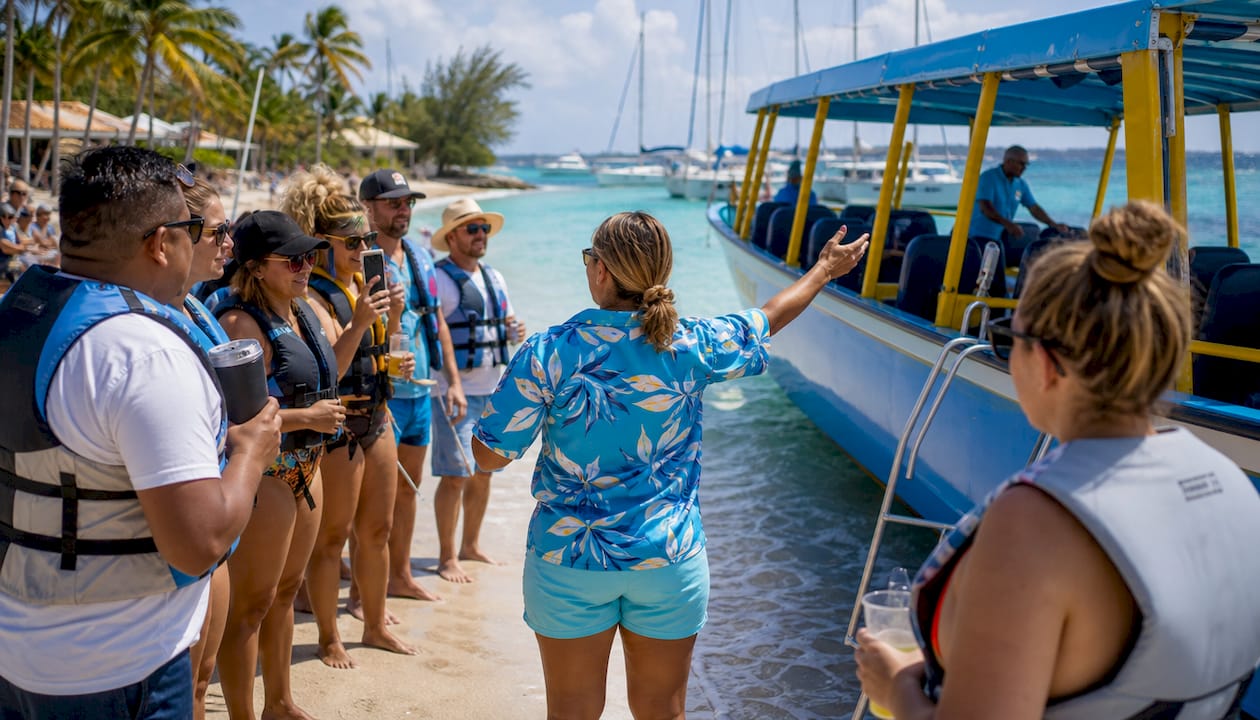
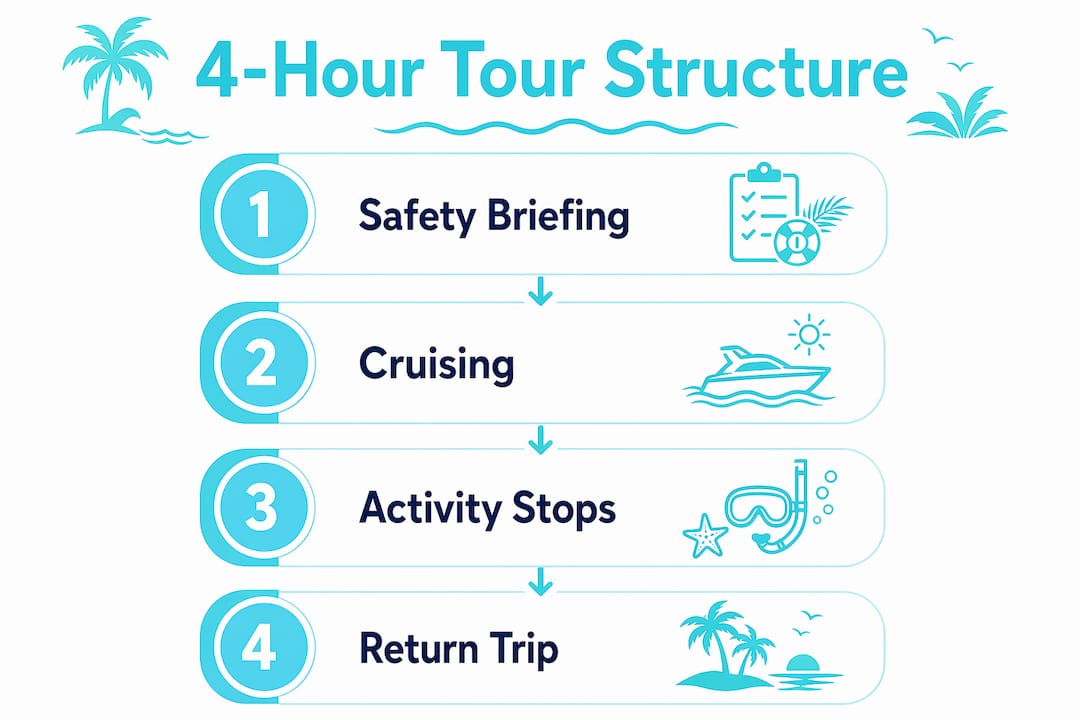
A well-structured 4-hour boat tour divides its time between a safety briefing, active cruising, and focused stops at key destinations. Understanding how 4-hour boat tours are structured helps you pick the right experience and get the most from every minute on the water. The format follows a recognized pattern in the guided excursion industry: short transit legs, meaningful stops, and built-in comfort measures that prevent fatigue. Crab-island-tours applies this exact framework to deliver stress-free outings in the Destin area, with floats, onboard restrooms, and experienced captains included in the package.
How are 4-hour boat tours structured by time?
The standard 4-hour boat tour itinerary opens with a 15-minute safety briefing at the dock. The captain covers life jacket use, emergency procedures, and basic onboard rules before the vessel leaves the slip. That briefing is not optional padding. It sets the tone for a safe, organized trip.
After departure, tours balance roughly 90 minutes of cruising with 120–150 minutes of stop time across one or two major destinations. Transit legs between stops stay under 30–45 minutes to prevent the kind of fatigue that turns a scenic ride into a long wait. The Ria Formosa Islands tour in Portugal is a well-documented example of this structure, with timed scenic passes between islands and anchored stops for swimming and exploration.
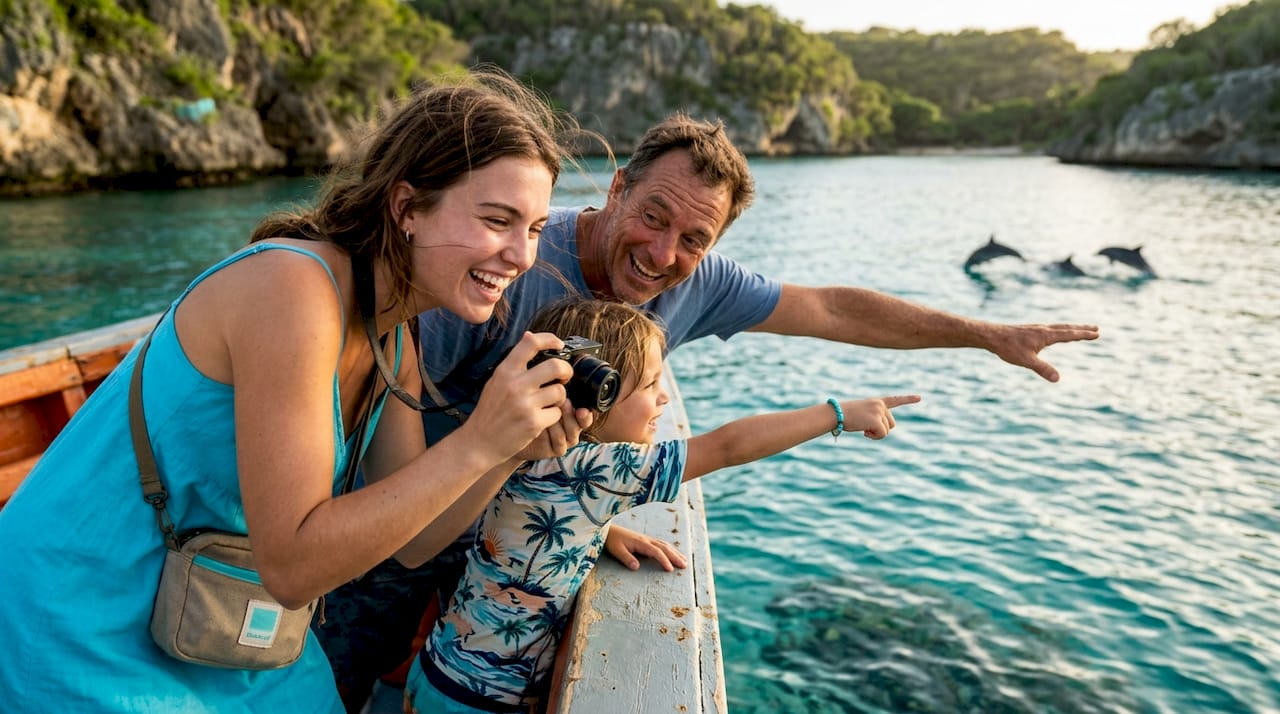
One detail most first-timers miss: actual time on water is closer to 3.5 hours, not 4, because boarding procedures and final docking eat into the quoted duration. That gap matters when you are planning the rest of your day.
Pro Tip: Ask the operator whether the quoted 4 hours runs dock to dock or covers only cruising time. The answer changes how you schedule meals, transfers, and other activities.
A typical 4-hour boat tour itinerary looks like this:
0:00–0:15 Safety briefing and departure
0:15–0:45 Cruising to first stop (scenic transit)
0:45–2:00 First activity stop (swimming, snorkeling, or sightseeing)
2:00–2:30 Cruising to second stop or scenic loop
2:30–3:30 Second stop or extended free time
3:30–4:00 Return cruise and docking
This schedule keeps guests engaged without overloading any single segment.
How does vessel type affect your boat tour experience?
Boat design affects enjoyment more than destination for many guests. A stable, shaded vessel with easy boarding reduces motion sickness and makes the whole trip more comfortable. Speed and exclusivity rank lower than most vacationers expect before they step aboard.
Shared group tours and private charters serve different needs. Shared tours follow a fixed route and schedule, which works well for solo travelers and couples who want social energy without logistics. Private charters offer flexible itineraries and the ability to linger at a stop longer than the standard window. The tradeoff is cost, which is covered in the next section.
Key vessel features that matter most for a 4-hour trip:
Shade coverage: Direct sun for 4 hours causes exhaustion and sunburn, especially on open water.
Onboard restroom: A non-negotiable for families, older adults, and anyone on a long stop.
Stable boarding: Low freeboard or a swim platform makes entering and exiting the water far easier.
Seating variety: Bench seating, shade benches, and open bow areas let guests shift positions throughout the trip.
Larger vessels suit older adults and guests prone to motion sickness because they absorb wave action better. Smaller, faster boats reach more remote spots but deliver a rougher ride. Crab-island-tours uses vessels equipped with restrooms and shade, which removes two of the most common comfort complaints from the equation before the tour even starts.
Pro Tip: If anyone in your group has motion sickness concerns, choose a larger vessel and request center seating. The bow and upper decks amplify wave motion significantly.
What does a 4-hour boat tour cost, and when should you book?
Shared group tours typically cost $15–$50 per person, while private charters run $150–$300 or more for the full boat. Those base prices rarely include everything. Snorkeling gear rental, park entrance fees, and meals are common add-ons that push the real cost higher than the advertised rate.
Here is a practical checklist for calculating your actual total cost:
Confirm what the base fare covers. Ask specifically about equipment, fuel surcharges, and gratuity.
Add park or marine reserve fees. Many tours through protected waters charge a separate entry fee per person.
Budget for gear rental. Snorkeling masks, fins, and flotation devices often cost $10–$20 extra per person if not included.
Factor in food and drinks. Most 4-hour tours do not include meals. Bring snacks or budget for a post-tour meal.
Check cancellation terms. Weather cancellations are common on water tours. Know the refund policy before you pay.
Book popular tours 2–3 days in advance during shoulder season, and as far as 46 days ahead for peak summer departures on high-demand routes. That lead time is not marketing pressure. It reflects genuine capacity limits on well-run tours that cap group sizes for comfort and safety.
Cruise ship passengers face an additional constraint. Experienced tour providers coordinate port schedules and build return buffers into the itinerary to prevent guests from missing ship departures. If you are arriving by cruise ship, confirm that the operator has handled this before and ask about their buffer policy.
Pro Tip: Book early and ask for an itemized cost breakdown. A tour priced at $30 per person with $25 in add-ons is not a budget option.
What should you expect on the water: comfort, weather, and common challenges?
Water temperatures run noticeably cooler than on land, and wind chill during cruising amplifies that effect. A light windbreaker or sweater tied around your waist costs nothing to bring and can save the second half of your trip from being miserable.
Motion sickness medication works best when taken 30–60 minutes before boarding. Waiting until you feel sick on the water is too late. Seating near the boat’s center, at the lowest deck level, reduces the rocking sensation. Bow seats and upper decks experience the most motion and are the worst choice for sensitive guests.
What to bring on a 4-hour boat trip:
Sunscreen (SPF 30 or higher, reef-safe where required)
A windbreaker or light layer
Motion sickness medication if needed, taken before boarding
Water and light snacks
A dry bag for phones and valuables
Towel and swimwear if swimming stops are included
“Guests with realistic expectations of natural beauty and activity balance report higher satisfaction. The natural landscape is the main attraction on most 4-hour tours. The tour frames and enhances the environment rather than competing with it.”
Natural scenery is the primary entertainment on most 4-hour tours. Guests who arrive expecting a cruise ship production show leave disappointed. Guests who arrive ready to watch pelicans dive, spot dolphins, or float in clear water leave with the best stories.
Pro Tip: Pack a dry bag even if rain is not forecast. Spray from the bow soaks phones and cameras faster than most guests expect.
Key Takeaways
A well-structured 4-hour boat tour allocates roughly 90 minutes to cruising and 120–150 minutes to activity stops, with a safety briefing, comfort-focused vessel, and advance booking forming the foundation of a great experience.
Point | Details |
Time breakdown | Tours split roughly 90 minutes of cruising with 120–150 minutes at activity stops. |
Dock-to-dock vs. cruising time | Actual water time is closer to 3.5 hours; confirm what the quoted duration includes. |
Vessel comfort matters most | Shade, onboard restrooms, and stable boarding improve satisfaction more than speed or exclusivity. |
True cost exceeds base fare | Add gear rental, park fees, and gratuity to calculate the real price before booking. |
Book early in peak season | Popular tours fill 2–3 days out in shoulder season and up to 46 days out in peak months. |
What I have learned from watching people choose boat tours
Most guests spend too much time comparing destinations and not enough time comparing boats. I have seen groups book a tour to a stunning location and spend half the trip miserable because the vessel had no shade, no restroom, and seats that faced directly into the sun. The destination did not save them. The boat design would have.
The other mistake I see constantly is ignoring the dock-to-dock versus cruising-time distinction. Guests plan a 4 PM dinner reservation after a “4-hour tour” that actually ends at 4:30 PM once you account for slow docking and disembarkation. That small gap creates real stress. Always add 30 minutes of buffer to whatever the operator quotes.
The tours I have seen people enjoy most share three traits: a knowledgeable captain who narrates the route, at least one stop long enough to actually swim or explore (not just float for 15 minutes), and a vessel that handles wind and chop without drama. Flexibility in the itinerary matters too. The best captains read the conditions and adjust. A rigid schedule on a rough-water day is a liability, not a feature.
If you are planning a 4-hour trip for a group with mixed ages or physical needs, prioritize the vessel over the route every time. A comfortable boat on a modest route beats a spectacular route on an uncomfortable boat.
— Troy
A stress-free 4-hour tour at Crab Island starts here
Planning a boat trip should not require a spreadsheet. Crab-island-tours handles the logistics so you can focus on showing up and having a good time.
Every Crab-island-tours outing includes floats, an onboard restroom, and a captain who knows Crab Island waters. The 4-hour format follows the same balanced structure covered in this article: a clear safety briefing, time to cruise, and real stop time at the destination. Families, couples, and groups all find the format works because the boat is set up for comfort from the start. Booking is straightforward, pricing is transparent, and the crew handles everything else.
FAQ
What is included in a typical 4-hour boat tour?
A standard 4-hour boat tour includes a safety briefing, cruising time, and one or two activity stops for swimming, snorkeling, or sightseeing. Amenities vary by operator, but the best tours include shade, seating, and an onboard restroom.
How much does a 4-hour boat tour cost per person?
Shared group tours typically run $15–$50 per person, while private charters cost $150–$300 or more for the full vessel. Always confirm whether gear rental, park fees, and gratuity are included in the quoted price.
How far in advance should I book a 4-hour boat tour?
Book 2–3 days ahead during shoulder season and up to 46 days ahead during peak summer months on popular routes. High-demand tours fill quickly, and last-minute availability is rare on well-run operators.
What should I bring on a 4-hour boat trip?
Bring sunscreen, a windbreaker, motion sickness medication (taken 30–60 minutes before boarding), water, snacks, and a dry bag for electronics. Swimwear and a towel are needed if swimming stops are included.
Is 4 hours enough time to see and do everything on a boat tour?
Four hours is enough for one or two meaningful stops plus scenic cruising, which suits most vacation schedules well. Guests who want extended exploration at multiple sites should consider a full-day tour instead.
Recommended
Comments